Slopes & terrain
~172 km across separate valley areas · largest linked sector 56 km
24.0 km marked ski routes
- Classified pistes
- 171.5 km
- Local terrain
- 171.5 km
- Directly linked terrain
- 56.0 km
- Connectivity
- Fragmented valley destination
Haute-Savoie, Auvergne-Rhône-Alpes, France
Chamonix Valley
~172 km across separate valley areas · largest linked sector 56 km
24.0 km marked ski routes
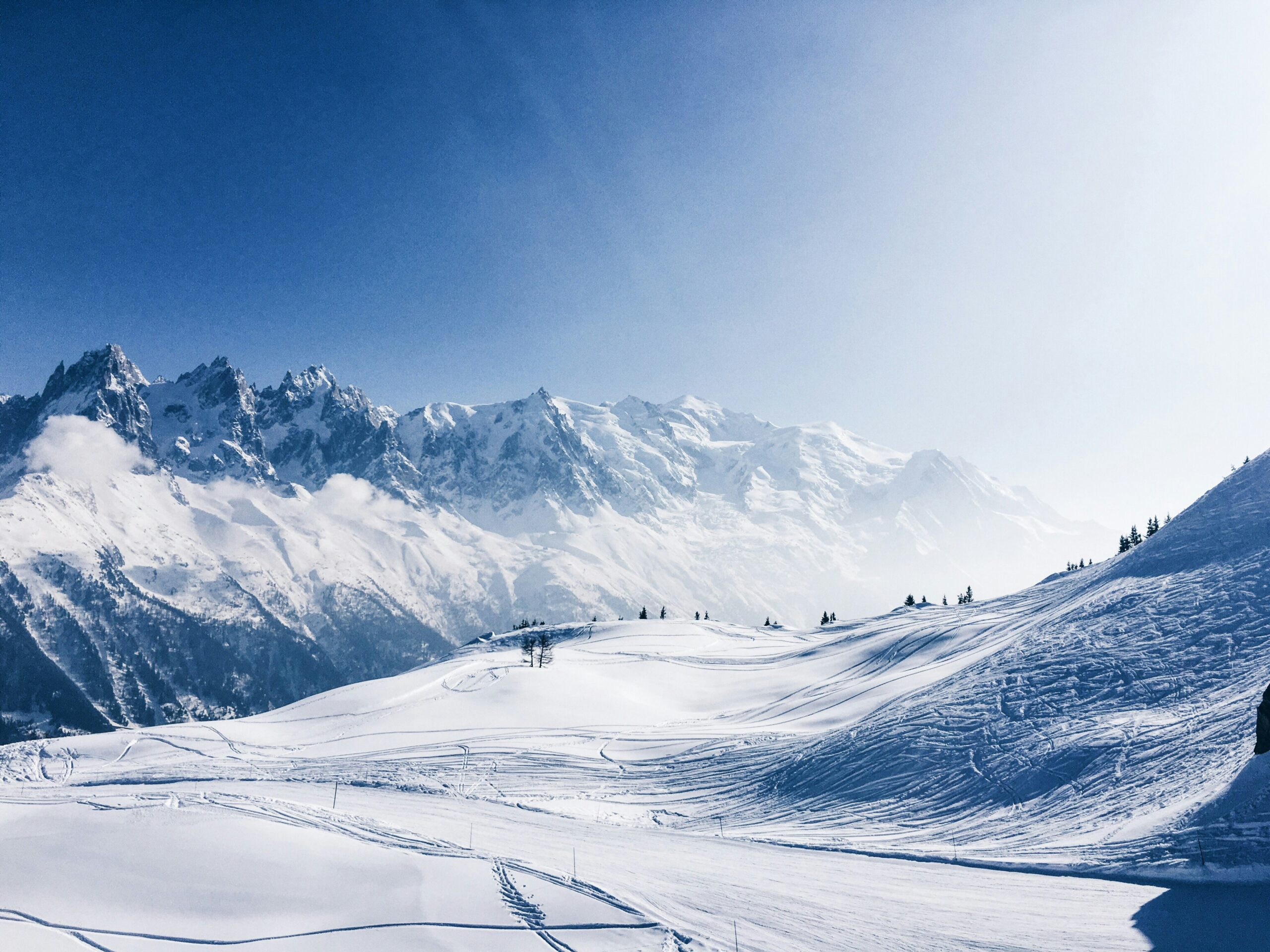
Chamonix is a historic Alpine town beneath Mont Blanc and one of the world’s most famous destinations for freeride skiing and mountaineering. Its skiing is spread across separate valley areas, including Les Houches, Brévent-Flégère, Grands Montets and Balme, rather than one fully linked lift network. That creates more transport between sectors than in a conventional ski-in/ski-out resort, but also gives Chamonix exceptional variety, dramatic scenery and terrain reaching around 3,300m. The unsecured Vallée Blanche glacier descent is its defining high-mountain experience, while dedicated beginner areas provide gentler options lower in the valley. Chamonix is strongest for adventurous intermediates, advanced skiers and mixed groups who value a lively, year-round town as much as seamless piste convenience.

Good
Excellent
Exceptional
Very good
Chamonix has excellent family depth across the valley, including beginner areas, ski schools from age three, childcare, supervised programmes, swimming, skating, sledging, cinema and museums. The trade-off is geography: facilities and ski areas are spread across several villages and mountain sectors, so families should expect more transport and coordination than in a compact ski-in/ski-out resort.
Fair
Chamonix is easy to navigate as a town but less seamless as a ski resort. Brévent, Flégère, Grands Montets, Les Houches and Balme are separate mountain sectors, so visitors who want the full Chamonix experience regularly use valley buses or the Mont-Blanc Express between ski areas.
Exceptional
Chamonix has strong snow reliability on its higher and more shaded sectors, but conditions vary more by mountain than in a single high-altitude ski domain. The valley’s ski areas span roughly 1,035m to 3,300m, and Grands Montets is north-facing with particularly strong snow cover. Lower and sunnier sectors can soften or thin more quickly in mild periods.
Chamonix is generally expensive, especially for central hotels, mountain dining and guided high-mountain activities, but the full town offers more budget flexibility than a small luxury resort. Apartments, supermarkets and a broad public-transport network help control day-to-day costs, although visitors should still expect a premium overall trip budget.
Chamonix’s après scene is lively but more town-based and dispersed than the classic ski-in/ski-out party resorts. La Folie Douce’s Après Ski Club provides a dedicated party option, while venues such as La Moraine and Le P’tiot Monchu offer live music, drinks and a more relaxed post-ski atmosphere. The result is varied rather than dominated by one terrace.
Chamonix has exceptional non-ski depth. Visitors can ride the Aiguille du Midi or Montenvers train, explore the Mer de Glace, go snowshoeing, ice skating, dog sledding or paragliding, use spas and swimming facilities, visit museums or try indoor climbing and the cinema. Few ski destinations offer as much for non-skiers or rest days.
Chamonix has exceptionally deep practical infrastructure because it is a real Alpine town rather than a purpose-built station. The valley has frequent bus and rail links, 20 ski-rental providers listed by the tourist office, 10 ski schools, extensive shops and services, parking and airport-transfer options. That depth makes day-to-day logistics easier than in many smaller resorts.
Chamonix is one of the world’s benchmark off-piste destinations. The Vallée Blanche alone is roughly 20km with about 2,800m of vertical descent, while Grands Montets and the wider valley add steep freeride, couloirs and ski-touring terrain. Much of this is unmarked glaciated high mountain, so a guide and full avalanche and glacier-safety equipment are appropriate for most visitors.
Chamonix has genuine town nightlife rather than just a few ski-resort bars. The current official directory includes Le Pèle, Club 1969, Discopic and Bar du Moulin among its late venues; Le Pèle combines restaurant, listening bar and club with DJs until late. The scene is cosmopolitan and varied, with more choice than most purpose-built resorts.
Chamonix has one of the most varied food scenes in the Alps. The current tourist-office directory lists more than 50 restaurants, ranging from Savoyard staples to international and high-end dining, plus dedicated mountain restaurants. La Maison Carrier covers refined regional cooking, while venues such as Restaurant du Bois Prin show the more inventive end of the market. Choice is a genuine strength for week-long stays.
Chamonix attracts an adult, international and outdoors-focused crowd, with experienced skiers, climbers, guides, couples and adventure travellers strongly represented alongside families. It feels more mature and sport-led than university-heavy party resorts, although the town’s size and nightlife still bring plenty of younger visitors into the mix.
Chamonix is busiest during February school-holiday periods and busy winter weekends, when the main valley lifts, roads and town centre all feel the pressure. The fragmented ski areas help spread skiers rather than concentrating everyone on one mountain, but popular access points can still queue. January and March are usually better for visitors prioritising space while retaining strong winter conditions.
The famous descent from the Aiguille du Midi is a 20km+ glacier itinerary through serious high-mountain terrain. It is one of skiing’s iconic experiences, but it should not be counted or described like a normal groomed run.
For winter 2026/27, the former summit cable-car access remains closed after the 2018 fire; the ski area is accessed via Plan Joran and other operating lifts. Current Chamonix material schedules the new summit infrastructure for the 2027/28 season.
10.0/10transfer ease·Exceptional
Chamonix has one of the easiest major-airport transfers in the Alps. Geneva Airport is about 88 km away and shared shuttles, coaches and private transfers typically make the journey in roughly 1h15–1h30, with broad year-round competition keeping both availability and pricing relatively strong.
Chamonix is not one seamless ski domain. The valley’s main skiing is split between separate areas including Brévent–Flégère, Grands Montets, Balme–Le Tour/Vallorcine and Les Houches, with buses, trains or road transfers used between bases. That gives the week exceptional variety, but skiers who want to roam hundreds of kilometres without removing their skis should choose a more continuously linked resort.
Chamonix has genuine beginner terrain and dedicated learning areas such as Savoy and other valley nursery slopes, so learning here is possible. The complication is geography: the main ski areas are spread along the valley and the destination is built around much more than beginner skiing. New skiers who value the town and scenery may love it, but simpler purpose-built resorts are easier for a first ski week.
This is Chamonix’s defining strength. Grands Montets, steep high-mountain terrain, ski touring and famous glacier routes make the valley one of the world’s benchmark destinations for strong skiers and mountaineers. The best terrain is not always groomed, marked or controlled like a normal piste, so visitors chasing Chamonix’s reputation should be comfortable using guides and appropriate avalanche or glacier equipment.
The Vallée Blanche is a high-mountain glacier itinerary reached from the Aiguille du Midi rather than a normal marked piste. The classic descent is more than 20km long with roughly 2,000m of vertical and crosses crevassed glacial terrain. Chamonix’s own guidance says professional supervision and appropriate equipment are essential, so most holiday skiers should treat a qualified mountain guide as part of the experience.
Yes — unusually so. Chamonix is a real mountain town with major sightseeing such as the Aiguille du Midi and Montenvers/Mer de Glace, plus winter walking, museums, spas, shops, restaurants and other activities. A non-skier can have a genuinely full holiday here, which is a major advantage over ski stations where almost everything revolves around the piste network.
We use cookies to improve your experience and help keep ResortRival running smoothly.
You can accept all cookies or manage your preferences at any time.