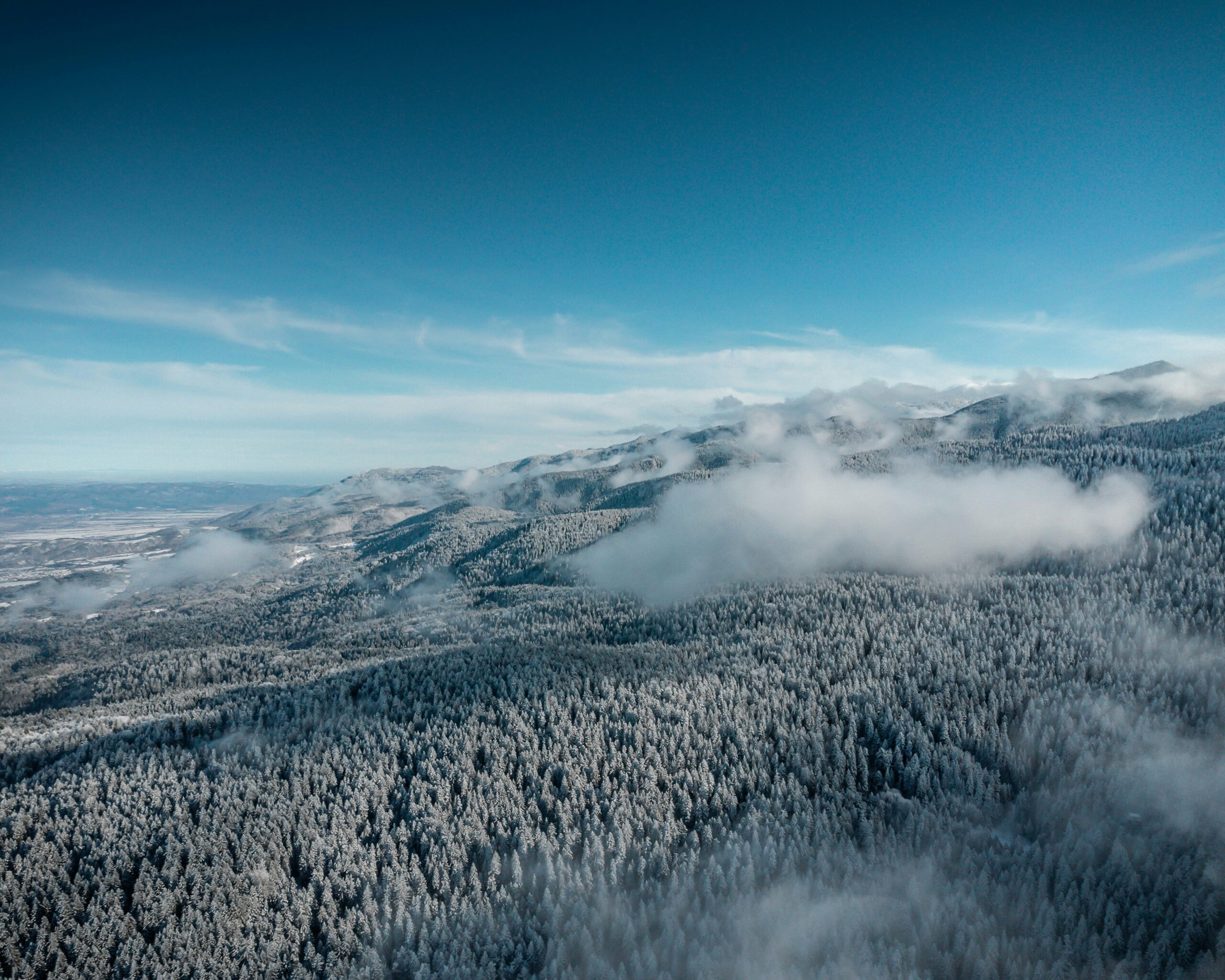
Slopes & terrain
58 km across interconnected Borovets ski centres
- Classified pistes
- 58.0 km
- Local terrain
- 58.0 km
- Directly linked terrain
- 58.0 km
- Connectivity
- Three interconnected ski centres
Rila Mountains, Bulgaria
Borovets Ski Area
58 km across interconnected Borovets ski centres
Borovets is Bulgaria’s oldest mountain resort, founded in 1896 and now offering 58km of skiing across the interconnected Sitnyakovo, Yastrebets and Markudzhik sectors. The three areas combine beginner slopes, long intermediate runs and higher, steeper terrain approaching 2,500m, giving the resort more variety than its modest piste total suggests. Modern chairlifts and a gondola connect the mountain, while the compact base places hotels, rentals, restaurants and bars close to the lifts. Family skiing remains a major focus, and the resort also operates extensive night skiing on illuminated interconnected slopes during the core season. Borovets is especially attractive for value-conscious groups and newer skiers who want a straightforward resort with one of the easiest major-airport transfers in the dataset. The compromise is overall scale: advanced skiers have worthwhile pistes, but much less depth than in Europe’s large high-Alpine domains.

Excellent
Excellent
Very good
Very good
Borovets has established children’s ski infrastructure, including Borokids Park and dedicated lessons for young children, while the compact hotel-and-lift core can keep family ski logistics simple. The current family offer is strongest for children ready to ski; nursery care and all-weather family facilities are less comprehensive than in the most family-specialised destinations.
Excellent
Borovets has a compact central ski core with several lift gateways, ski-school facilities and major hotels such as the Rila directly beside the slopes. Higher sectors remain connected through the lift and piste network, while peripheral villas and quieter accommodation sit farther from the centre and can require more walking or transport.
Exceptional
Borovets has moderate snow reliability with a useful high-mountain safety net rather than guaranteed early-season coverage. The current lift network reaches Markudjik 2 at roughly 2,486m, but the 2025/26 opening showed the downside: parts of the ski area remained closed in late December because of insufficient snow and weather unsuitable for technical snowmaking. Conditions later improved enough for the resort to extend skiing to 12 April 2026. Midwinter is therefore safer than assuming reliable December or late-spring skiing every year.
Borovets remains a strong-value ski option relative to most major Alpine resorts, especially for accommodation, casual dining and socialising. The compact base contains a mix of hotels and restaurants, while nearby Samokov expands everyday shopping and local-service options without requiring visitors to pay resort-level prices for everything. Costs have risen as the destination has modernised, so “good relative value” is more defensible than assuming uniformly cheap skiing, particularly during February and holiday periods.
Borovets has a lively but approachable après scene centred around the main Rila base. The Terrace Lounge is a freshly verified current anchor and is described by the resort itself as Borovets’ leading après-ski setting, with slope views, cocktails, food and music every winter day. Restaurant Victoria provides another current alpine-style post-ski option nearby. The atmosphere is social and easy to access rather than a huge multi-venue Austrian-style party circuit.
Borovets offers more beyond standard daytime skiing than the old “limited” wording suggests. Night skiing is a genuine resort feature, with eight interconnected illuminated slopes used during the 2025/26 season, while Hotel Rila adds a thermal-zone spa, 25m indoor pool, kids club and kindergarten directly at the ski base. Gondola sightseeing and the wider Rila mountain environment add further outdoor appeal. The range is smaller than a major Alpine town, but mixed groups have credible alternatives for evenings and rest periods.
Borovets has strong practical infrastructure concentrated around a compact base. Borosport operates a dedicated ski school and Adventure Center, with ski lessons, equipment rental, storage and children’s services available through the resort system. Hotel Rila alone adds onsite ski rental and depot, kindergarten, kids club, a full spa and indoor pool, while the resort maintains Mountain Rescue contacts and a substantial lift network across three ski centres. Visitors can therefore handle most ski-week needs without leaving the resort.
Borovets has some natural-snow potential around its higher Rila terrain, but the current official resort product is much more clearly piste-led than freeride-led. The published ski infrastructure focuses on marked runs and the high Markudjik sector, while the resort safety information and Mountain Rescue support are more prominent than any dedicated freeride-zone network. Experienced skiers may find ungroomed terrain when conditions allow, but Borovets should not be presented alongside specialist freeride destinations without stronger evidence.
Borovets has a real evening scene, although the strongest current official evidence is hospitality-led rather than a large nightclub circuit. Champions Lobby Bar & Diner at Hotel Rila currently stays open until 02:00 on Fridays and Saturdays, while The Terrace Lounge and other central restaurants keep the base lively earlier in the evening. The resort remains sociable and energetic, but legacy nightclub names should be refreshed separately instead of being treated as guaranteed current anchors.
Borovets has a compact but useful dining scene centred on the main resort base and mountain stations. Current official listings include Champions Lobby Bar & Diner, The Terrace Lounge, Restaurant Victoria, Downhill Snack & Grill and Yastrebets mountain outlets, covering casual food, après dining and slope-side lunches. The choice is adequate for a week but smaller than a full Alpine town. The legacy “30+ restaurants” estimate should be dropped unless a current destination-wide count can be verified.
Borovets has a relatively young and sociable visitor mix. Groups of friends and value-conscious travellers are visible around the compact base and après venues, while the resort’s long-standing emphasis on children’s skiing, beginner lessons and family facilities brings a substantial family market. Its short transfer from Sofia also adds regional weekend visitors. The overall feel is informal and energetic rather than luxury-led, without being exclusively a party resort.
Borovets is busiest around Christmas/New Year and February school-holiday periods, when its compact Rila base, beginner facilities and easy access from Sofia concentrate demand. The three ski centres spread visitors once the full mountain is operating, but early-season partial openings can make crowding feel worse by reducing available terrain. January outside holiday weekends is usually calmer; March can also be quieter, and the resort specifically promoted late-March/April 2026 for relaxed slopes and no lift queues once snow conditions allowed.
Borovets began as Chamkoria when Prince Ferdinand built a summer residence and hunting lodges here. Ski tourism came later, but the resort's 130-year mountain-resort history gives it roots that long pre-date the modern Bulgarian ski industry.
Borovets has an unusually substantial night-ski circuit: eight illuminated, interconnected slopes can operate into the evening, traditionally after fresh grooming and as late as 22:00 when the seasonal programme is running.
9.0/10transfer ease·Exceptional
Borovets is very easy to reach from Sofia Airport, typically around 75–90 minutes by road. Frequent fixed shuttles plus semi-private and private transfers run directly to the resort, giving flying visitors excellent flexibility despite limited rail usefulness.
Borovets has about 58km of marked skiing organised across three interconnected ski centres. The network ranges from the forested Sitnyakovo and Yastrebets terrain to the higher Markudzhik sector, so visitors can move through noticeably different parts of the mountain without treating them as separate regional resorts. Beginners and intermediates get most of the mileage, with a smaller amount of advanced terrain higher up.
Yes. The resort has a long ski-school tradition, broad blue and red terrain and a compact base where lessons, rental and accommodation are easy to combine. Intermediates can progress between all three ski centres, while beginners have dedicated learning areas close to the main hotels. Advanced skiers have black runs and higher Markudzhik terrain, but expert depth is not Borovets' main strength.
Yes, and the night-skiing setup is unusually substantial. Borovets currently describes eight illuminated, interconnected slopes that are freshly groomed before evening operation and can run until 22:00. In the 2025/26 season the normal midwinter programme operated on selected Thursday, Friday and Saturday nights. Exact dates vary with snow and the seasonal schedule, so evening skiing should be checked before travel.
Borovets officially traces its resort history to 1896, when Prince Ferdinand built a summer residence and hunting lodges in what was then called Chamkoria. The resort describes itself as the first mountain resort in Bulgaria and the Balkans. Skiing became a major part of its identity later, particularly from the 1930s onward, so the accurate story is 130 years of mountain-resort history rather than 130 years of modern lift-served skiing.
Borovets has a useful altitude range, with skiing reaching roughly 2,486m in the Markudzhik sector, but early-season coverage is not guaranteed. The 2025/26 season showed this clearly when some terrain remained closed around late December because natural snow and snowmaking conditions were insufficient, before the season later extended into April. January through March remains the safer window for a full-area trip.
We use cookies to improve your experience and help keep ResortRival running smoothly.
You can accept all cookies or manage your preferences at any time.