Davos

Graubünden, Switzerland

Davos Klosters

Overall rating ResortRival's editorial overall resort score on a 1–10 scale. 8.6/10

At a glance

Quick resort stats

Altitude 1,560 m
Ski area 300 km across six ski areas · largest linked area ~97 km Parsenn Fragmented six-area destination
6 day ski pass CHF390 Current published winter tariff
Snow reliability 7.0/10 Very good
Affordability 4.0/10 Limited
Après 7.0/10 Very good
Other activities 10.0/10 Exceptional
Resort amenities 8.0/10 Excellent

Slopes & terrain

9.0/10 · Exceptional

300 km across six ski areas · largest linked area ~97 km Parsenn

Blue65.9 km (30.8%)
Red112.3 km (52.4%)
Black36.0 km (16.8%)

59.3 km marked ski routes

Classified pistes
214.2 km
Local terrain
300.0 km
Directly linked terrain
97.0 km
Regional pass terrain
300.0 km
Connectivity
Fragmented six-area destination

Resort overview

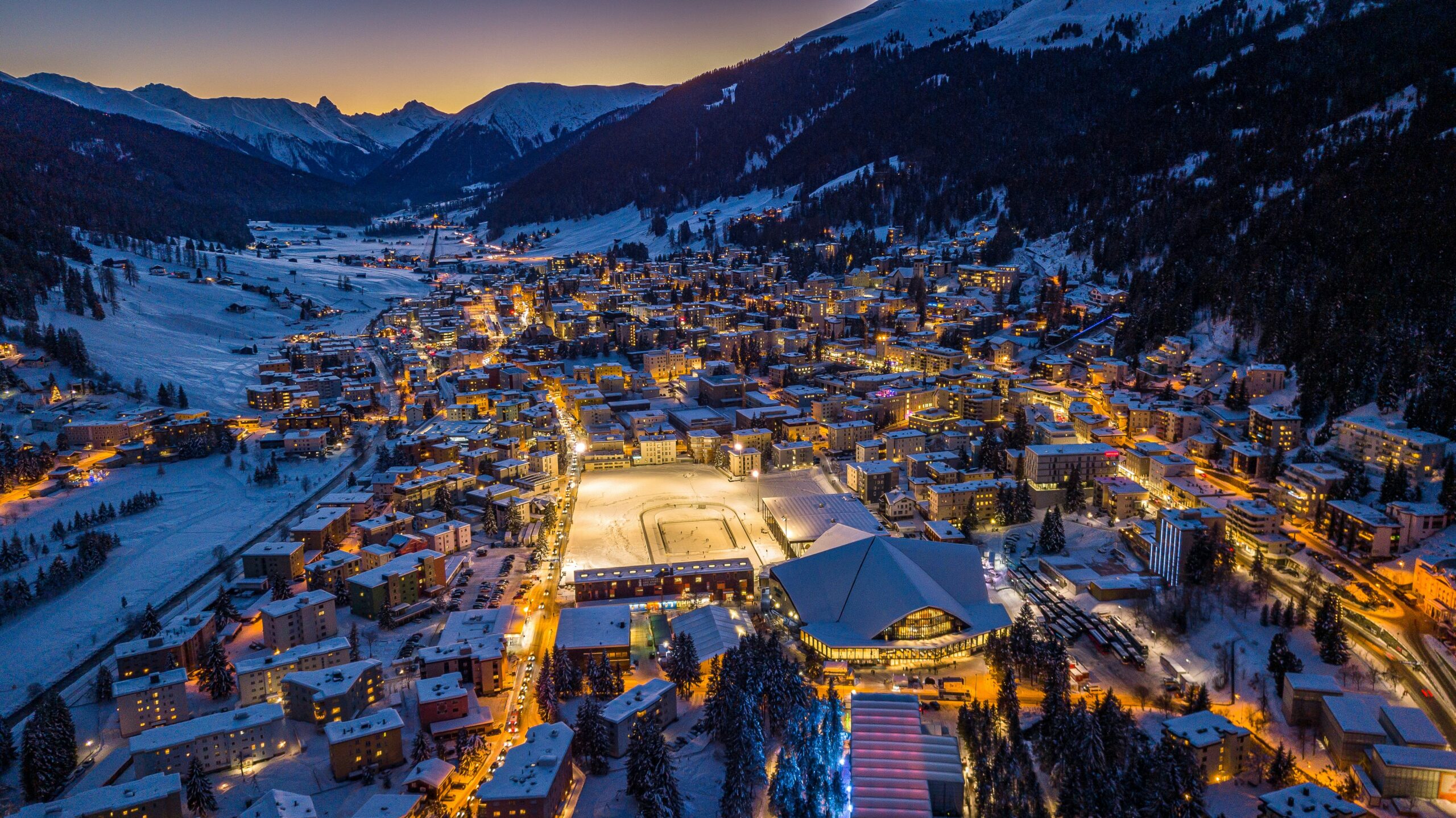
Davos is Europe’s highest city at 1,560m and the larger urban base of the Davos Klosters winter region. Its 300km of snow-sure pistes and 57 transport systems are spread across six distinct mountains rather than one continuous lift network. Parsenn delivers classic long cruising, Jakobshorn combines steeper skiing with freestyle and après, Madrisa and Rinerhorn suit families, Pischa focuses on freeride and Schatzalp offers a quieter pace. That variety gives intermediates and advanced skiers exceptional choice, but seeing the whole destination requires trains, buses or separate lift approaches between sectors. Davos itself feels more like an Alpine town than a compact resort village, with extensive hotels, restaurants, shopping, nightlife, rail links and major events. The trade-offs are Swiss pricing and less seamless mountain-to-mountain skiing, but few resorts combine this much terrain variety with such developed town infrastructure.

Who is Davos best for?

ResortRival editorial scores use a 1–10 scale to show how strongly the resort performs for each factor.

Skier ability

Beginner

8.0/10

Excellent

Intermediate

8.0/10

Excellent

Advanced

9.0/10

Exceptional

Practical fit

Family suitability

9.0/10

Exceptional

Davos Klosters has strong whole-week family infrastructure, with children’s areas across several mountains, family-focused Madrisa, ski-school options and winter childcare from around 18 months. Sledging, skating, swimming and a large guest programme provide excellent off-slope depth, although the fragmented mountain layout means family convenience varies considerably by base.

Resort convenience

6.0/10

Good

Davos gives good direct access to individual mountains, but the ski destination is inherently fragmented across Parsenn, Jakobshorn, Madrisa, Rinerhorn, Schatzalp and Pischa. Free local buses and rail make switching sectors straightforward, yet visitors wanting the full Davos Klosters experience should expect to change bases rather than ski one continuous network.

Transfer ease

8.0/10

Excellent

Resort guide

Snow reliability

7.0/10 · Very good

Davos Klosters has strong, flexible snow reliability because its six ski areas operate at different altitudes and exposures. For 2026/27, Parsenn Davos is planned for continuous operation from 20 November 2026 to 4 April 2027, while Jakobshorn runs to 11 April and several smaller mountains open from mid- or late December. The multi-mountain setup gives visitors options as conditions change rather than depending on one sector.

Affordability

4.0/10 · Limited

Davos is expensive by European ski-resort standards, but its size as a real town gives more ways to manage costs than a small luxury enclave. Hotels and apartments span a broad market, and overnight guests receive a Davos Klosters guest card with free local train and bus travel within the relevant zones. That reduces day-to-day transport spending, although Swiss food and accommodation prices remain high.

Après

7.0/10 · Very good

Davos has one of Switzerland’s stronger après scenes. Jatzhütte on Jakobshorn is a headline mountain party venue, with weekend celebrations often starting around midday, while Bolgen Plaza runs DJ-led après at the valley base before crowds move on to later venues. The scene has enough depth to make après a real part of a ski day rather than an occasional drink.

Other activities

10.0/10 · Exceptional

Davos has exceptional non-ski depth. The destination runs more than 40 different winter activities through its guest programme, alongside tobogganing, major ice-skating and curling facilities, snowshoeing, cross-country skiing, wellness, cultural experiences and night-time mountain activities. Because this is a substantial year-round town, non-skiers can build full itineraries rather than simply passing time between slope days.

Resort amenities

8.0/10 · Excellent

Davos has some of the deepest practical visitor infrastructure in the Alps. It is rail-connected, has extensive local public transport that is free for qualifying overnight guests, multiple snow-sports and equipment services, major sports facilities, shopping and six separate ski areas accessed from the town and Klosters. The trade-off is that the destination is spread out, so understanding rail and bus links matters more than in a compact ski-in/ski-out village.

Off-piste

9.0/10 · Exceptional

Davos Klosters deserves its reputation as a major freeride destination. Pischa provides marked freeride descents toward the Pischa Valley, while Parsenn offers serious itineraries from the Weissfluh area and the wider six-mountain network gives access to everything from lift-served powder to full backcountry tours. The variety is exceptional, but unmanaged routes still require avalanche knowledge, safety equipment and appropriate professional guidance.

Nightlife

Davos has genuine late-night depth for a Swiss ski destination. The current tourism guide moves directly from Jatzhütte and Bolgen Plaza après into venues such as Chalet Bello and Tijuana Bar, and the town hosts recurring club events with international DJs. Because the evening scene changes more frequently than the mountain infrastructure, current destination listings are safer evidence than carrying forward an old fixed list of Pöstli, Ex and Montana.

Restaurants & bars

Davos has genuinely town-scale dining rather than resort-only choice. The current official destination directory lists over 140 restaurants, spanning Graubünden specialities, mountain huts, international food and more ambitious dining. Bolgen Plaza remains a current slope-side example with regional dishes and a large terrace. That depth is unusual for a ski destination and makes the existing 140+ claim supportable, although individual venue names should remain current.

Average age

32

Davos attracts a broad but relatively mature mix. Strong skiers and freeriders share the town with families, long-stay visitors, conference and event guests, while Jakobshorn’s freestyle and après scene introduces a younger element. It feels more cosmopolitan and adult than a youth-led party resort without losing a lively mountain culture.

Crowds & peak periods

Davos is busiest around Christmas/New Year, February holiday periods and major event weeks. The six-area layout spreads skiers effectively, but Parsenn and Jakobshorn access can still be pressured; 18–22 January 2027 is especially unusual because the published WEF operating plan closes Pischa and Rinerhorn. January outside that event period and March generally offer a better balance of snow, full town atmosphere and space.

What makes this resort different?

What makes it different

Six mountains, six different ski personalities

Davos is not one giant 300km ski area. Parsenn, Jakobshorn, Madrisa, Rinerhorn, Schatzalp and Pischa operate as separate mountains, ranging from classic groomed skiing and freestyle to Pischa’s unusual natural-snow, no-regular-piste concept.

Worth knowing

World Economic Forum week changes the entire town

From 18–22 January 2027, more than 3,000 global political, business and media participants descend on Davos. Security, accommodation demand, traffic and some mountain operations can be very different from a normal ski week, so these dates should be chosen deliberately rather than accidentally.

Getting there

8.0/10transfer easeExcellent

Davos is very well connected to Zurich, with a road journey of under two hours in good conditions and reliable rail directly into the resort via Landquart. Private transfers and seasonal airport coaches add flexibility, although the train journey is usually longer than driving.

Main airport
Zurich Airport
Typical transfer
Zurich Airport is 156 km away; official Davos guidance gives about 1h50 by car, while public transport from Zurich Airport is roughly 2h45.
Public transport
Excellent: SBB reaches Landquart and the RhB continues directly into Davos. The rail chain is dependable and finishes in the resort, though it requires a change at Landquart.
Other airports
Friedrichshafen and St Gallen-Altenrhein are geographically closer alternatives but much smaller; Zurich is the realistic major international gateway.
Transfer options & cost
Strong private/coach market from Zurich. The Davos Express also provides a direct Zurich Airport–Davos coach on Saturdays in winter; commercial door-to-door private transfers are widely available.
Final mile
No resort-entry restriction. The main friction is journey length rather than the final mile; road and rail both reach Davos itself.

Frequently asked questions

Is Davos one connected ski area or several separate ski areas?

Davos Klosters has around 300km of skiing across six separate mountain areas rather than one continuous 300km domain. Parsenn is the largest conventional linked area at roughly 97km, while Jakobshorn, Madrisa, Rinerhorn, Schatzalp and Pischa each have different access and character. That variety is a strength, but exploring the full destination involves trains, buses or changing base rather than simply following lifts all week.

Which Davos ski area is best to ski?

Parsenn is the classic choice for long groomed mileage and intermediates, Jakobshorn has the strongest freestyle and après identity, Madrisa and Rinerhorn are more family-oriented or relaxed, and Schatzalp offers slower nostalgic skiing. Pischa is the outlier: Davos describes it as a natural mountain without regular groomed piste operation, aimed more at freeride and alternative winter sports. The best mountain therefore depends heavily on the type of day you want.

Is Davos good for advanced skiers and freeriders?

Yes. Davos combines strong piste skiing on Parsenn with freestyle on Jakobshorn and serious natural terrain across several mountains. Pischa is particularly unusual because regular groomed skiing has largely been removed in favour of natural-snow activities, while Parsenn offers long descents and high-mountain itineraries. Off-piste terrain remains avalanche terrain, so equipment, current risk information and local guidance matter.

What happens in Davos during World Economic Forum week, and should skiers avoid it?

The World Economic Forum Annual Meeting runs from 18–22 January 2027 and brings more than 3,000 political, business and media participants into Davos. Accommodation demand, security and traffic are completely different from a normal ski week, and the resort publishes special mountain operating arrangements around WEF. It can be fascinating if you want to experience the atmosphere, but anyone primarily seeking a straightforward ski holiday should check availability and mountain operations very carefully before booking those dates.

Is anything changing on Parsenn after winter 2026/27?

Yes. The existing Schifer cable car remains in use for winter 2026/27 while a new 10-person gondola is built for 2027/28. Davos says the replacement will reduce the Schifer–Weissfluhjoch journey from roughly 22 minutes to about 14 minutes and increase capacity. It does not materially change this winter’s ski area, but repeat visitors should notice a significant improvement from the following season.

Scroll to Top