Kitzbühel

Tyrol, Austria

KitzSki

Overall rating ResortRival's editorial overall resort score on a 1–10 scale. 8.9/10

At a glance

Quick resort stats

Altitude 800 m
Ski area 233 km advertised skiing · 188 km classified + 45 km ski routes Mixed linked core + separate local sectors
6 day ski pass €365–410 2026/27
Snow reliability 6.0/10 Good
Affordability 4.0/10 Limited
Après 6.0/10 Good
Other activities 7.0/10 Very good
Resort amenities 8.0/10 Excellent

Slopes & terrain

9.0/10 · Exceptional

233 km advertised skiing · 188 km classified + 45 km ski routes

Blue102.0 km (54.3%)
Red66.0 km (35.1%)
Black20.0 km (10.6%)

45.0 km marked ski routes

Classified pistes
188.0 km
Local terrain
233.0 km
Connectivity
Mixed linked core + separate local sectors

Resort overview

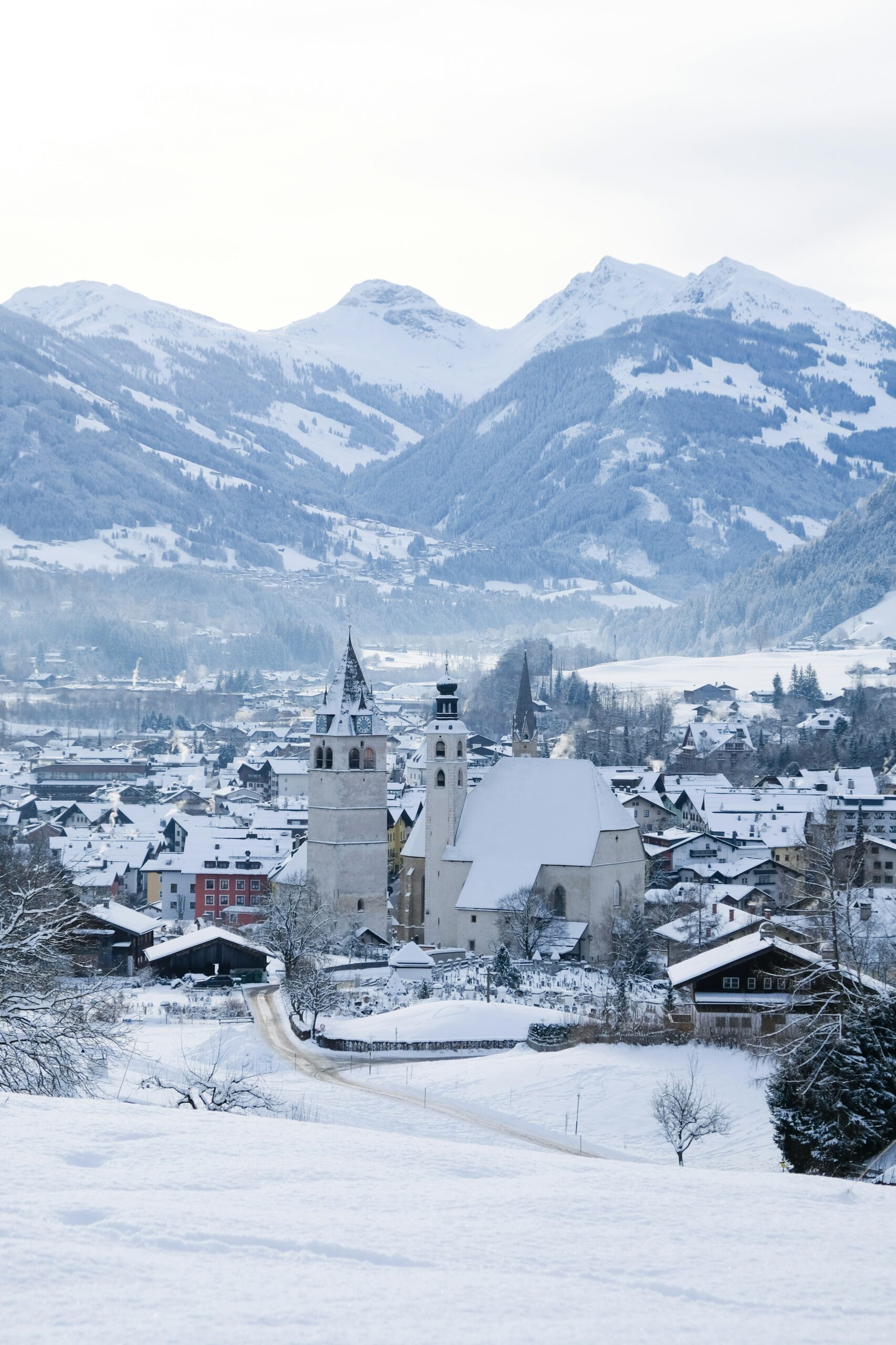
Kitzbühel combines a 750-year-old Tyrolean town with 233km of skiing served by 58 lifts, including direct access from the centre via the Hahnenkammbahn. The area offers a broad mix of terrain, from free valley practice lifts and family-friendly sectors to long intermediate runs, ski routes and the legendary Streif. It is especially strong for confident intermediates and advanced piste skiers, while extensive snowmaking supports the lower-altitude mountain through the core season. Off the slopes, Kitzbühel has far more character than most large ski resorts, with restaurants, hotels, shops and rail access integrated into a genuine year-round town. The main compromise is natural snow reliability: much of the skiing sits lower than at high-Alpine rivals, so conditions depend more heavily on temperatures and snowmaking during mild periods.

Who is Kitzbühel best for?

ResortRival editorial scores use a 1–10 scale to show how strongly the resort performs for each factor.

Skier ability

Beginner

8.0/10

Excellent

Intermediate

8.0/10

Excellent

Advanced

9.0/10

Exceptional

Practical fit

Family suitability

9.0/10

Exceptional

Kitzbühel makes family skiing unusually easy for a traditional town, with free valley practice lifts, specialist children’s ski schools, broad blue terrain, ski buses and dedicated areas such as Hubsi Kinderland in Reith. The ski area is spread across several sectors, but the town itself gives families a strong combination of learning terrain, restaurants and off-slope activities.

Resort convenience

8.0/10

Excellent

Kitzbühel has excellent central access through the Hahnenkammbahn and the railway stop beside it, supported by free local train travel for skiers and ski buses. The wider KitzSki area spans several distinct sectors, however, so using the full product can involve trains or buses rather than continuous skiing from one village base.

Transfer ease

9.0/10

Exceptional

Resort guide

Snow reliability

6.0/10 · Good

Kitzbühel’s relatively low altitude is offset by one of the Alps’ most developed snowmaking systems. KitzSki operates more than 1,260 snow guns, and the full Hahnenkamm–Jochberg–Resterhöhe connection is scheduled from 11 December 2026 to 29 March 2027, with limited terrain opening earlier when conditions allow. Natural snow matters most away from the prepared pistes.

Affordability

4.0/10 · Limited

Kitzbühel is one of Austria’s more expensive ski towns, especially for central hotels, fine dining and race-week stays. Apartments, supermarkets and the larger town infrastructure give visitors more flexibility than in a small luxury resort, but it remains a premium trip overall. The value case comes from 233km of skiing, strong grooming and a genuine historic town rather than low prices.

Après

6.0/10 · Good

Kitzbühel has a lively but varied après scene rather than one dominant party terrace. The Pavillon and Legenden Café sit beside the Hahnenkammbahn, while The Londoner remains a long-running town-centre institution with live DJs and bands. It suits visitors who want sociable post-ski drinks without choosing an all-out party resort.

Other activities

7.0/10 · Very good

Kitzbühel has strong non-ski depth. Three toboggan runs provide more than 12km of sledging, Sportpark offers ice skating and Austria’s only indoor curling arena, and the region also has winter walking, snowshoeing, cross-country skiing and carriage rides. That gives families and mixed groups several genuine alternatives to downhill skiing.

Resort amenities

8.0/10 · Excellent

Kitzbühel has very strong practical visitor infrastructure. The tourism directory currently lists 18 ski-school results across the area, while the town also has numerous rental shops, supermarkets, rail access, local buses, parking, shops and a full sports complex. Free practice lifts in several valley locations are especially useful for beginners and families.

Off-piste

8.0/10 · Excellent

Kitzbühel has more freeride potential than its piste-focused reputation suggests. The resort identifies six freeride zones across more than 200km² of terrain, including Hahnenkamm, Pengelstein, Kitzbüheler Horn, Jochberg and Resterhöhe, with six avalanche-transceiver checkpoints. The terrain is less extreme than Chamonix or Verbier, but there is real lift-accessed powder when conditions are good.

Nightlife

Kitzbühel has genuine town nightlife rather than only après. The centre has more than 10 bars and lounges, with live music, DJs and late opening throughout winter; The Londoner remains one of the best-known party pubs. The scene is stylish and varied, working well for visitors who want regular nights out without the intensity of Ischgl or St Anton.

Restaurants & bars

Kitzbühel has one of Austria’s deepest ski-town food scenes. The destination promotes more than 100 catering establishments, while the ski area itself has more than 40 mountain huts and restaurants. Visitors can move from traditional Tyrolean food and casual huts to international and higher-end dining, making restaurants a genuine strength for a week-long stay.

Average age

35

Kitzbühel attracts a relatively mature and affluent international crowd, with couples, experienced skiers, repeat visitors and families strongly represented. Hahnenkamm race week brings a younger and much more intense social atmosphere, but across a normal ski week the town feels polished and adult rather than student-led. The visitor mix is broad, not exclusively luxury.

Crowds & peak periods

Kitzbühel is busiest during February school-holiday weeks and especially around the Hahnenkamm races, scheduled for 18–24 January 2027, when the town, transport and Hahnenkamm sector become exceptionally busy. Away from those periods the 58-lift network spreads skiers well. Early January, early February and March are better choices for visitors prioritising space.

What makes this resort different?

What makes it different

The Streif is part of the landscape, not just something you watch on TV

Guests can ski through the Hahnenkamm sector and use the Streif Family Run to pass key sections of the world-famous downhill, with the start house and race landmarks built into an ordinary ski day.

Worth knowing

Hahnenkamm week changes the entire town

From 18–24 January 2027, race crowds, fan zones, parties, road closures and transport changes make Kitzbühel feel completely different from a normal week. Massive green flag for racing fans; equally important warning for anyone chasing peace and quiet.

Getting there

9.0/10transfer easeExceptional

Kitzbühel is exceptionally well connected. Innsbruck, Salzburg and Munich all provide realistic airport options, and the town has three railway stations, including Kitzbühel Hahnenkamm directly beside the gondola, making both flying and rail arrivals unusually low-friction.

Main airport
Innsbruck Airport
Typical transfer
≈1h10 by road from Innsbruck; ≈1h30 from Salzburg and ≈1h45 from Munich, giving three highly practical airport choices.
Public transport
Outstanding: three railway stations serve Kitzbühel; Hahnenkamm station is directly beside the gondola. From Innsbruck Airport, shuttle to Hbf plus rail takes about 1h25 in total.
Other airports
Salzburg Airport is 81 km away and Munich provides a major international hub; both have rail/shuttle and road options.
Transfer options & cost
Airport shuttles/taxis and excellent national/regional rail create broad choice, including Nightjet and well-coordinated Wörgl connections.
Final mile
Almost no final-mile penalty: rail arrives in town and Hahnenkamm station is beside the lift; local buses/e-taxis cover other accommodation areas.

Frequently asked questions

Can ordinary skiers ski the Streif in Kitzbühel?

You can experience the Streif area, but not by assuming the full World Cup racing line is always an ordinary groomed piste. Kitzbühel’s public ski network includes the Streif race course and a Streif Family Run that passes famous sections such as the Mausefalle, Seidlalm, Hausbergkante and finish area. Around Hahnenkamm race preparations and race week, closures and restrictions apply, so check live piste status rather than planning your holiday around one specific line.

How big is the Kitzbühel ski area, and is all 233km directly connected?

Kitzbühel markets 233km of skiing across KitzSki, but ResortRival does not treat every kilometre as one seamless linked block. The main Hahnenkamm–Pengelstein–Kirchberg–Jochberg–Resterhöhe core is connected, while areas such as Kitzbüheler Horn and other local sectors sit separately. That distinction matters if your priority is covering maximum mileage without changing base or transport.

Is Kitzbühel good for beginners and intermediates?

Yes. Kitzbühel has free practice lifts in several valley locations, good ski-school infrastructure and a large amount of approachable cruising terrain. Intermediates are especially well served by the long connected core toward Jochberg and Pass Thurn. Advanced skiers still get steep pistes, marked ski routes and freeride zones, but the resort’s biggest strength is the balance between accessible skiing and genuine sporting terrain.

How snow-sure is Kitzbühel despite its low altitude?

Kitzbühel’s town sits much lower than many major Alpine resorts, so it cannot rely on altitude in the same way as Val Thorens or Cervinia. Its defence is extensive snowmaking, careful grooming and grassy slopes that need relatively little base depth to become skiable. Core winter conditions are usually dependable on prepared pistes, but warm spells affect lower terrain sooner than at high-altitude rivals.

What happens during Hahnenkamm race week in Kitzbühel?

Hahnenkamm week transforms the resort. The 2027 event runs from 18–24 January, with the famous Streif downhill, Super-G and slalom bringing huge crowds, fan zones, parties, transport changes and road closures. It is one of the best possible weeks for ski-racing fans and one of the worst choices for visitors who mainly want a quiet, normal Kitzbühel ski holiday.

Scroll to Top