Kranjska Gora

Julian Alps, Slovenia

Kranjska Gora

Overall rating ResortRival's editorial overall resort score on a 1–10 scale. 6.5/10

At a glance

Quick resort stats

Altitude 810 m
Ski area 20 km standardised main ski area · 21 slopes Main Vitranc–Podkoren ski system; Mojstrana shown as separate outlier
6 day ski pass €280 2026/27 pending
Snow reliability 4.0/10 Limited
Affordability 8.0/10 Excellent
Après 4.0/10 Limited
Other activities 7.0/10 Very good
Resort amenities 6.0/10 Good

Slopes & terrain

6.0/10 · Good

20 km standardised main ski area · 21 slopes

Blue10.0 km (50.0%)
Red8.0 km (40.0%)
Black2.0 km (10.0%)
Classified pistes
20.0 km
Local terrain
20.0 km
Directly linked terrain
20.0 km
Connectivity
Main Vitranc–Podkoren ski system; Mojstrana shown as separate outlier

Resort overview

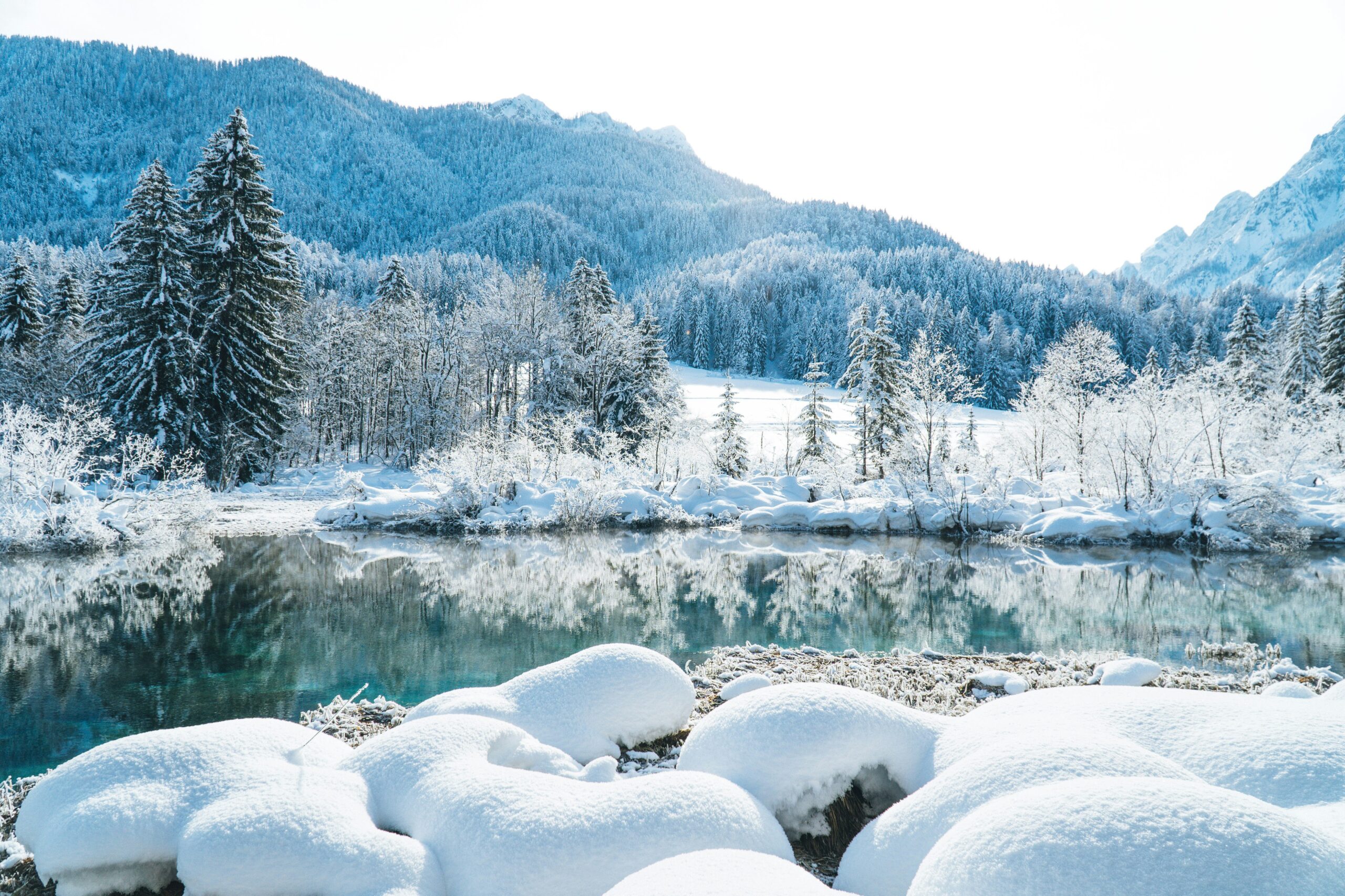
Kranjska Gora is a compact Slovenian resort in the Julian Alps near the Austrian and Italian borders. Official tourism material gives around 20km of pistes, while the local destination currently lists 21 slopes between roughly 800m and 1,215m. The skiing is particularly strong for beginners, families and early intermediates: slopes run close to hotels, ski schools are easy to reach and much of the terrain is gentle and approachable. Podkoren adds genuine sporting credibility through its FIS World Cup terrain, giving stronger skiers a small but meaningful technical challenge. The village itself is attractive and walkable, with restaurants, winter events and easy access to nearby Planica and extensive cross-country skiing. The obvious limitation is mountain scale, and the relatively low altitude makes snowmaking more important than at high-Alpine rivals. For learning, short trips and mixed winter holidays, however, Kranjska Gora is exceptionally convenient.

Who is Kranjska Gora best for?

ResortRival editorial scores use a 1–10 scale to show how strongly the resort performs for each factor.

Skier ability

Beginner

8.0/10

Excellent

Intermediate

6.0/10

Good

Advanced

6.0/10

Good

Practical fit

Family suitability

8.0/10

Excellent

Kranjska Gora is a compact, approachable family resort with hotels close to the slopes, several ski schools and a ski kindergarten for children aged three to six. Sledging, skating, pools and the Slovenian Alpine Museum broaden the week, although dedicated nursery care is limited and stronger skiers may outgrow the local terrain sooner than in larger resorts.

Resort convenience

9.0/10

Exceptional

Kranjska Gora has a very convenient village-edge snow front, with hotels, ski schools, rental and several lifts clustered immediately beside the visitor core. Much central accommodation is only a short walk from the slopes, while the wider Vitranc area extends toward Podkoren and is less universally ski-to-door.

Transfer ease

9.0/10

Exceptional

Resort guide

Snow reliability

4.0/10 · Limited

Kranjska Gora has moderate snow reliability rather than high-mountain certainty. The alpine ski area sits only around 800m to 1,215m, so it is much more exposed to mild weather than the high resorts in the Alps. This was visible in March 2026, when the resort shortened daily operating hours and reduced lift availability late in the season. Midwinter is therefore the safest period; snowmaking helps the piste product, but January and February are more dependable choices than shoulder-season skiing.

Affordability

8.0/10 · Excellent

Kranjska Gora offers good relative value for a picturesque Alpine village, particularly compared with better-known resorts over the nearby Austrian and Italian borders. Its real town layout provides apartments, shops and casual local restaurants as well as hotels, giving visitors ways to control spending. The food scene also reaches genuinely high-end territory, so the destination is not uniformly cheap. It is best described as flexible and comparatively affordable rather than a budget-only resort.

Après

4.0/10 · Limited

Kranjska Gora has a relaxed, village-style après scene rather than a dedicated party circuit. Skiers finish directly beside the compact centre, where hotel bars, cafés and seasonal entertainment make it easy to stop for drinks without travelling between separate bases. The winter Alpine Village and resort events can add atmosphere on busy dates, but the normal proposition is sociable and easy-going. Visitors choosing primarily for high-energy slope-side après will find stronger options elsewhere.

Other activities

7.0/10 · Very good

Kranjska Gora has a much stronger non-ski winter programme than V2 suggests. The destination maintains around 40km of cross-country trails, alongside winter hiking, snowshoeing, sledging, ice skating and the wider Planica Nordic environment. One current sledging option follows a roughly 4km forest road from Tromeja, while the Planica ice rink covers about 900m². These activities make the resort a credible choice for active mixed groups rather than only beginner alpine skiers.

Resort amenities

6.0/10 · Good

Kranjska Gora’s practical infrastructure is considerably stronger than the old “basic” wording implies. The destination lists multiple ski schools, equipment-rental operators, mountain guides and transfer services, while the Vitranc 2 chairlift reopened after a major modernisation investment in 2026. Hotels close to the slopes provide ski rooms, wellness, pools, saunas, parking and EV facilities. The ski area is still small, but visitors have the services expected from a mature year-round Alpine destination.

Off-piste

4.0/10 · Limited

Kranjska Gora’s local lift-served freeride is limited, but the surrounding Julian Alps make it a credible ski-touring base. Official tourism promotes tours including Mojstrovka, Kotovo sedlo and Cmir, with mountain guides and freeride-ski rental available in the destination. The Juliana SkiTour guidance explicitly requires avalanche beacon, probe and shovel. Visitors should therefore distinguish the modest piste-side off-piste product from the much stronger guided backcountry and touring potential beyond the resort lifts.

Nightlife

Kranjska Gora is not a conventional ski-party resort, but its late-night entertainment is stronger than the old low-key bar list suggests. Korona operates as a 24-hour casino and entertainment centre, while Casino Larix currently stays open into the early morning. Hotel bars and seasonal events add further options. The scene is casino- and hospitality-led rather than club-led, so visitors can stay out late without the resort feeling like a dedicated nightlife destination.

Restaurants & bars

Kranjska Gora has a stronger food scene than its small ski area suggests. Restaurant Milka retained two Michelin stars in the 2026 Slovenian selection, while Triangel retained a Bib Gourmand; at the traditional end, Pri Martinu remains a current central option for Slovenian cooking close to the slopes. That gives the destination unusual range from destination dining to straightforward local food. The legacy “25+ restaurants” estimate is unnecessary beside this stronger current quality evidence.

Average age

32

Kranjska Gora has a broad, slightly mature visitor mix. Families and beginner skiers are prominent because of the gentle local slopes and compact village, while cross-country skiers, ski tourers and winter walkers add an active outdoor segment. World Cup and Planica event weekends bring a younger sporting crowd temporarily. The normal atmosphere is relaxed and experience-led rather than dominated by nightlife or luxury tourism.

Crowds & peak periods

Kranjska Gora is busiest during February school holidays and major winter-sport weekends. A specific 2026/27 pressure point is the Audi FIS Women’s World Cup in Podkoren on 29–30 January 2027, with giant slalom, slalom and accompanying entertainment drawing extra visitors into the village and ski area. Outside event and holiday dates, January can be calmer; March is also quieter but carries a greater snow-reliability trade-off because of the resort’s low altitude.

What makes this resort different?

What makes it different

You can 'fly' down a world-famous ski jump

The Planica Zipline follows the profile of the giant ski-flying hill for 566m and reaches roughly 85km/h. It is promoted as the world's steepest zipline and lets ordinary visitors experience the line where ski-flying history has repeatedly been made.

Worth knowing

Planica week changes Kranjska Gora too

The 2027 Ski Jumping World Cup Finals run from 18–21 March. Competitions happen in Planica, but concerts, medal-plaza activity and fan events extend into Kranjska Gora, so the whole destination becomes much busier and more event-led.

Getting there

9.0/10transfer easeExceptional

Kranjska Gora is exceptionally well placed between several airports. Ljubljana is around 45 minutes away, with Klagenfurt and Trieste also close, while nearby railheads and numerous shuttle operators provide additional flexibility; the final journey is short even though trains do not run directly into the village.

Main airport
Ljubljana Airport
Typical transfer
Ljubljana Airport is only 66 km / about 45 minutes away. Klagenfurt is about 40 minutes away and Trieste about one hour, giving unusually strong short-transfer redundancy.
Public transport
Very good: Jesenice railway station is 20 km away with a roughly 30-minute onward bus; Villach and Tarvisio rail stations are also within about 20 km and can be finished by taxi. Regular bus links serve Kranjska Gora.
Other airports
Klagenfurt, Trieste, Venice, Zagreb and Salzburg broaden the gateway set; the first two are especially close, although Ljubljana is the most practical primary airport.
Transfer options & cost
Strong: the resort explicitly lists GoOpti, Nomago Shuttle, ZUP Prevozi and GoCosy, alongside taxis and regular buses. Multiple nearby countries also give unusual flexibility for private transfers.
Final mile
No special resort-entry restriction. Road access reaches the village directly and the final rail-to-resort leg is short; motorway access in Slovenia, Austria and Italy is within about half an hour.

Frequently asked questions

How big is Kranjska Gora ski resort, and is it all connected?

ResortRival uses about 20km for the main Kranjska Gora–Podkoren/Vitranc ski-area comparison. The destination currently lists 21 slopes and also references terrain at Mojstrana, but Mojstrana is a separate small outlying hill rather than part of one seamless lift network from central Kranjska Gora. The core resort is compact and easy to navigate, but it should not be inflated by adding disconnected terrain.

Is Kranjska Gora good for beginners and families?

Yes. Gentle slopes sit directly beside the village, ski schools are easy to access and the compact layout makes first ski holidays straightforward. Improving skiers can progress toward Podkoren and the steeper Vitranc terrain, but advanced mileage is limited. The resort works best for beginners, families and short trips rather than experts seeking a huge ski domain.

How snow-sure is Kranjska Gora?

It is less snow-secure than high-altitude Alpine resorts because the ski area sits roughly between 800m and 1,215m. Snowmaking supports the prepared pistes, but warm periods can materially affect lower terrain; in March 2026 the resort shortened operating hours and reduced lift availability late in the season. January and February are therefore safer choices than relying on shoulder-season snow.

What is Planica, and does the ski-jumping World Cup affect a stay in Kranjska Gora?

Planica is the world-famous ski-flying venue just outside Kranjska Gora and is closely tied to the destination's winter identity. The 2027 World Cup Finals run from 18–21 March, with competitions in Planica and entertainment, medal-plaza activity and concerts also spilling into Kranjska Gora. It is a spectacular week for ski-jumping fans but brings much more traffic, accommodation demand and event atmosphere than a normal March stay.

Can visitors ride down the Planica ski jump themselves?

Not on skis — but you can experience the line on the Planica Zipline. The 566m descent follows the profile of the giant ski-flying hill, reaches up to about 85km/h and is promoted as the steepest zipline in the world. It is designed to mimic some of the sensation of a ski jumper accelerating down the hill, making it one of the most unusual non-ski attractions near any resort in the database.

Scroll to Top