Slopes & terrain
300 km directly linked Ski Arlberg
- Classified pistes
- 299.7 km
- Directly linked terrain
- 300.0 km
- Regional pass terrain
- 300.0 km
- Connectivity
- Single linked Austria-wide mega-domain
Tyrol, Austria
Ski Arlberg
300 km directly linked Ski Arlberg
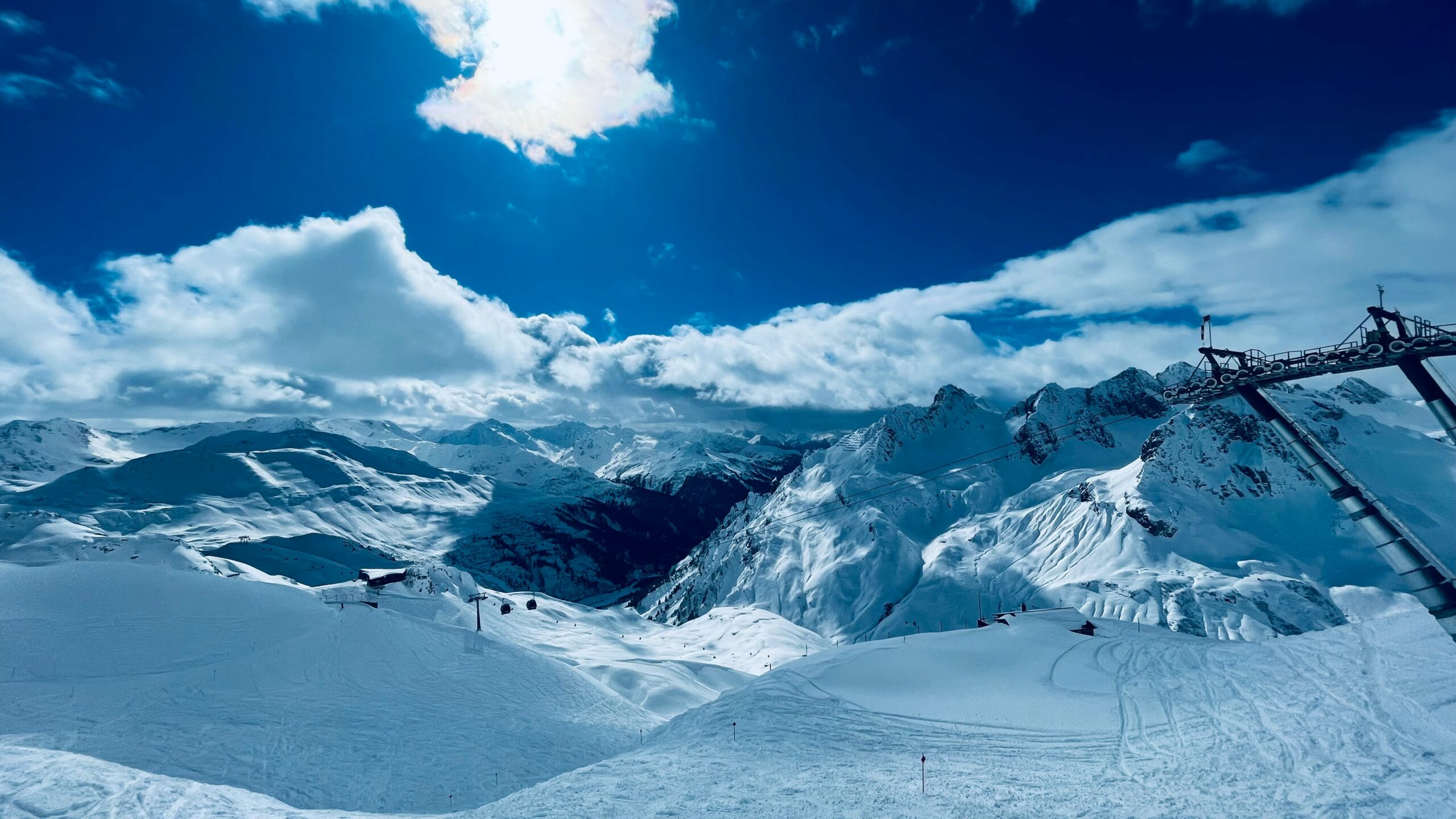
St Anton am Arlberg is the historic heart of Ski Arlberg and one of Europe’s great skier-focused mountain towns. Austria’s largest connected ski area offers 300km of pistes and more than 200km of powder runs, with terrain extending to 2,811m at Valluga. There are learning areas and easier pistes, but St Anton’s defining strengths are its red-run mileage, steeper terrain, ski routes and exceptional freeride potential, making it particularly rewarding for confident intermediates and advanced skiers. The village combines genuine Alpine character with direct rail access, a large restaurant and bar scene and legendary slope-side après. It can feel intense for visitors seeking a quiet or beginner-first holiday, but for strong skiing and energetic mountain-town atmosphere it is a benchmark Austrian resort.

Good
Exceptional
Exceptional
Very good
St Anton has large children’s practice areas, moving carpets, ski-school programmes from age three and childcare for younger children, alongside family ticket products and the popular Gampen toboggan run. The wider Ski Arlberg terrain is sporty and the resort atmosphere is lively, so it best suits families whose children are progressing beyond the earliest beginner stage.
Exceptional
St Anton combines a compact centre with several major lift gateways and unusually good rail access. Galzig, Gampen and Rendl sit close to the western core, Nasserein serves the eastern side and free ski buses support outlying accommodation, so most central visitors can move between lifts, après and everyday services with very little friction.
Exceptional
St Anton is one of Austria’s most snow-reliable major resorts. Ski Arlberg spans roughly 1,304m to 2,811m, averages about nine metres of natural snowfall each winter and operates from 2 December 2026 to 18 April 2027. That combination gives the resort strong natural coverage, although lower village runs can still be more vulnerable during mild spells.
St Anton is not a budget resort, but its accommodation mix is broader than the luxury-led Alpine names. Traditional pensions, apartments and supermarkets give visitors some control over everyday spend, while lift access, mountain dining and nightlife still push total trip costs into the mid-to-high range. The value case is the scale and quality of Ski Arlberg rather than low prices.
St Anton has one of the Alps’ defining après scenes. MooserWirt and Krazy Kanguruh are the headline slope-side venues, with packed terraces, music and a very social international crowd from mid-afternoon onwards. Après is a core part of the resort experience rather than an optional extra, which makes St Anton especially strong for groups prioritising both skiing and atmosphere.
St Anton has a stronger non-ski programme than its ski-first reputation suggests. The 4km Gampen toboggan run operates by day and on selected evenings, while the wider region offers winter walking, 43km of cross-country trails, horse-drawn sleigh rides, indoor sport at arl.park and swimming and wellness at Arlberg WellCom. Mixed groups therefore have several genuine rest-day options.
St Anton has very strong practical visitor infrastructure. The village has an international railway station, ski buses, multiple ski schools, extensive rental shops, supermarkets, ATMs and a dense restaurant-and-service core, while Arlberg WellCom adds swimming and wellness facilities. Most everyday needs can be handled in resort without a car, which is a major convenience for week-long stays.
St Anton is one of Europe’s strongest freeride bases. Ski Arlberg advertises more than 200km of powder runs, with major backcountry options around St Anton, Stuben and areas such as Albona-Nord. The terrain can be serious and avalanche-exposed, so local guides, avalanche equipment and current risk information are appropriate for most visitors heading beyond secured pistes.
St Anton stays busy well after the slope-side après finishes. Village venues such as Bobos, Murrmel and Skyline Night Club extend the night with bars, DJs and dancing, while the resort actively promotes a large late-night scene alongside its famous après culture. It is one of the Alps’ strongest choices for visitors who want a full ski-and-party trip.
St Anton has unusually broad dining for a ski-first Austrian resort. Official tourism material lists more than 90 restaurants across the region, with options ranging from mountain huts and casual Austrian food to serious fine dining. Verwallstube and the Michelin-starred Alpin Gourmet Stube show the quality ceiling, while the village still has plenty of informal bar-restaurants for groups.
St Anton attracts a broad adult international crowd, with British ski groups, strong skiers, repeat visitors and families all well represented. The famous après scene keeps the resort socially energetic, but the overall mix is more mature and ski-focused than university-led party bases. It feels lively and experienced rather than especially young.
St Anton is busiest around Christmas/New Year and February school-holiday weeks, when the main Galzig and Nasserein departure points and the best-known après venues carry the most pressure. Once skiers spread into the 300km Ski Arlberg network, the domain absorbs people well. January and mid-March usually offer a better balance of strong snow and lower village congestion.
Advanced skiers can cross the entire Ski Arlberg network on the Run of Fame: 85km and roughly 18,000 vertical metres from St Anton/Rendl to Warth and back, using only pistes and lifts.
At the end of the season, St Anton stages a cult mass-start ski race from Vallugagrat. Hundreds of skiers, snowboarders and telemarkers race 7.5km and more than 1,300 vertical metres toward the village. Event dates vary each year.
9.0/10transfer ease·Exceptional
St Anton is exceptionally easy to reach for a major Alpine ski resort. Innsbruck is just over an hour away by road and the mainline railway station sits in the village close to the lifts, with international rail services and strong connections from airports such as Zurich providing excellent alternatives to private transfers.
Yes — this is where St Anton is strongest. Ski Arlberg combines 300km of pistes with a huge amount of ungroomed and off-piste terrain, and the St Anton side has demanding reds, blacks and ski routes alongside long intermediate mileage. Confident skiers can spend a week exploring without running out of challenge, while freeriders have one of the deepest lift-accessed playgrounds in the Alps.
Beginners can learn in St Anton, with practice areas, ski schools and easier terrain around sectors such as Nasserein, but it is not the resort’s natural sweet spot. The wider mountain is large, busy and often geared toward stronger skiers. It works best when a beginner is travelling with an experienced mixed group; dedicated beginner parties may find smaller, cheaper resorts easier to navigate.
Yes. The Auenfeldjet and Flexenbahn connections turned Ski Arlberg into a seamless network linking St Anton, Stuben, Zürs, Lech and Warth-Schröcken. The ski area now has 300km of slopes and 85 lifts, so experienced skiers can travel a remarkable distance entirely by lifts and skiing. Last lift times still matter if you venture far from St Anton.
Après is a major part of the St Anton experience rather than a small side scene. Famous slope-side venues fill from the afternoon before the party continues in the village. That is a huge positive for social groups, but visitors wanting quiet evenings should choose accommodation carefully and avoid assuming every part of St Anton has the same atmosphere.
The Run of Fame is an 85km ski circuit crossing Ski Arlberg from St Anton/Rendl to Warth and back, with around 18,000 vertical metres. Ski Arlberg describes it as the longest continuous ski circuit in the Alps, completed entirely on skis and lifts without bus connections. It is aimed at advanced skiers and can be tackled in one demanding day or split across several days.
We use cookies to improve your experience and help keep ResortRival running smoothly.
You can accept all cookies or manage your preferences at any time.