Zermatt

Valais, Switzerland

Matterhorn Ski Paradise

Overall rating ResortRival's editorial overall resort score on a 1–10 scale. 9.5/10

At a glance

Quick resort stats

Altitude 1,620 m
Ski area 360 km international linked · 200 km Zermatt local Linked cross-border domain — weather-sensitive
6 day ski pass CHF445–493 2026/27
Snow reliability 10.0/10 Exceptional
Affordability 2.0/10 Limited
Après 7.0/10 Very good
Other activities 9.0/10 Exceptional
Resort amenities 9.0/10 Exceptional

Slopes & terrain

9.0/10 · Exceptional

360 km international linked · 200 km Zermatt local

Blue75.0 km (23.3%)
Red220.0 km (68.3%)
Black27.0 km (8.4%)

38.0 km marked ski routes

Classified pistes
322.0 km
Local terrain
200.0 km
Directly linked terrain
360.0 km
Regional pass terrain
360.0 km
Connectivity
Linked cross-border domain — weather-sensitive

Resort overview

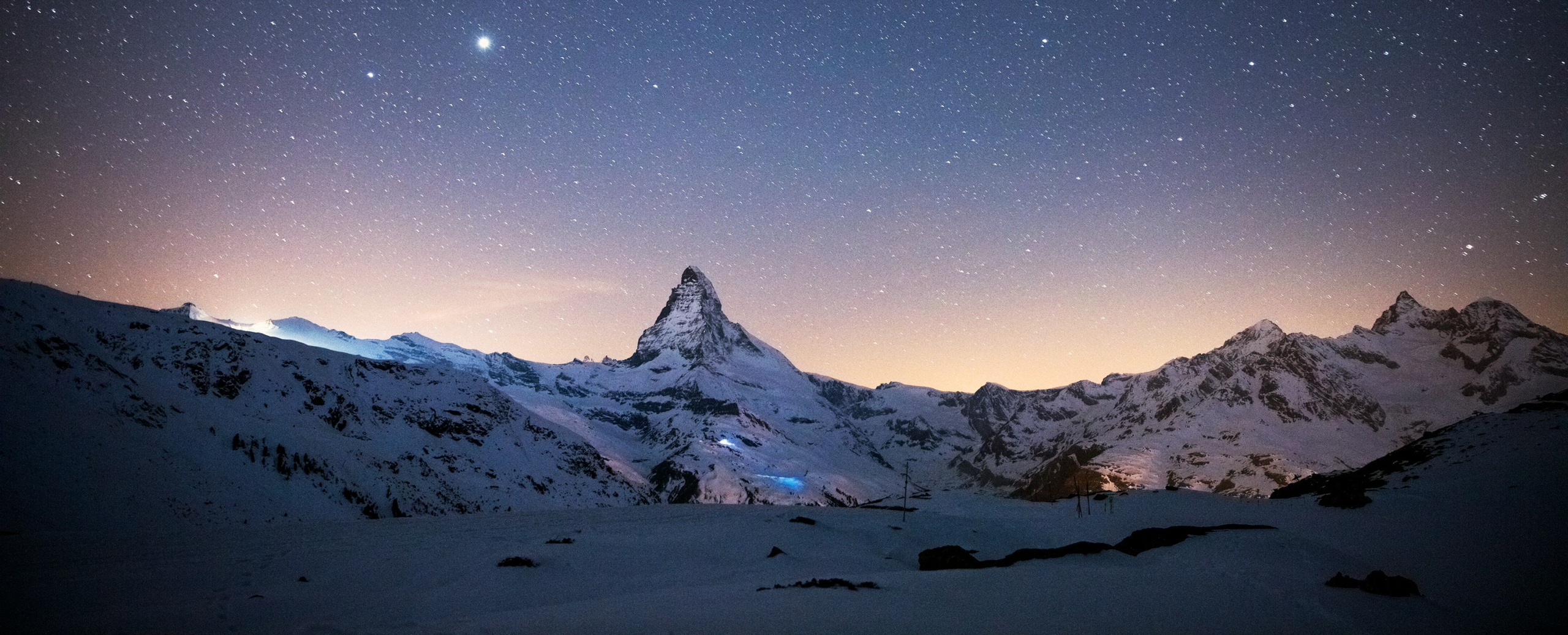
Zermatt is a car-free Swiss resort beneath the Matterhorn, combining a polished mountain village with one of Europe’s most distinctive high-altitude ski domains. The international Matterhorn Ski Paradise offers up to 360km of pistes across Zermatt, Cervinia and Valtournenche, with lift access reaching 3,883m at Matterhorn Glacier Paradise. The terrain is broad enough for improving skiers but is strongest for intermediates, advanced piste skiers and freeriders who want long descents and serious vertical. Snow reliability is a major strength, while the village adds excellent restaurants, smart hotels and an atmospheric historic core. Zermatt is expensive and takes longer to reach than many Alpine rivals, but for scenery, altitude, cross-border skiing and overall mountain scale it remains one of Europe’s benchmark ski destinations.

Who is Zermatt best for?

ResortRival editorial scores use a 1–10 scale to show how strongly the resort performs for each factor.

Skier ability

Beginner

7.0/10

Very good

Intermediate

9.0/10

Exceptional

Advanced

10.0/10

Exceptional

Practical fit

Family suitability

8.0/10

Excellent

Zermatt works very well for families, with Wolli’s beginner park, children’s ski lessons, childcare and babysitting options, plus sledging, skating, treasure hunts and strong bad-weather activities. The car-free village is helpful, although the scale and high-mountain nature of the ski area can make a first family ski trip more demanding than in simpler learner-focused resorts.

Resort convenience

8.0/10

Excellent

Zermatt is exceptionally easy to navigate without a car. Trains arrive in the village centre, free e-buses, e-taxis and hotel shuttles connect the main lift gateways, and Sunnegga and Gornergrat are particularly convenient; the main trade-off is the long, partly steep village, so some accommodation still involves walking or local transport with ski equipment.

Transfer ease

7.0/10

Very good

Resort guide

Snow reliability

10.0/10 · Exceptional

Zermatt is one of the Alps’ most snow-reliable destinations. Lift-served skiing reaches the high glacier terrain around Matterhorn Glacier Paradise, so upper-mountain coverage remains dependable even when lower Alpine resorts struggle. The main compromise is that wind and high-mountain weather can temporarily affect glacier and cross-border links despite the strong snow base.

Affordability

2.0/10 · Limited

Zermatt is one of the Alps’ most expensive mainstream ski destinations. Hotels, mountain restaurants, nightlife and lift access all carry a premium, and the car-free village limits the amount of genuinely budget stock. Self-catering and staying in nearby Täsch can reduce costs, but Zermatt is best viewed as a premium choice where visitors are paying for terrain scale, snow reliability, scenery and service depth.

Après

7.0/10 · Very good

Zermatt’s après scene is lively but more polished than the high-volume Austrian style. Mountain and village bars provide a strong post-ski circuit, while venues such as Alt Hischi and the Champagne Bar give different options from casual drinks to more celebratory stops. It suits visitors who want atmosphere after skiing without needing the entire resort to revolve around après.

Other activities

9.0/10 · Exceptional

Zermatt has one of the Alps’ strongest non-ski programmes. Visitors can ride the Gornergrat railway, explore Matterhorn Glacier Paradise and its Glacier Palace, use winter walking and snowshoe trails, go sledging or ice skating, visit the Matterhorn Museum or try husky-sled experiences. That depth makes the resort unusually strong for mixed groups and non-skiers.

Resort amenities

9.0/10 · Exceptional

Zermatt has exceptionally deep practical infrastructure for a car-free resort. Multiple ski schools and guide services sit alongside extensive rental and shopping options, while electric taxis and local transport make it easy to move between hotels, lifts and the village centre. Three pharmacies, a medical centre and other everyday services make Zermatt unusually self-contained for an Alpine resort.

Off-piste

10.0/10 · Exceptional

Zermatt is a top-tier freeride and ski-touring destination, with lift-accessed glacier terrain, couloirs and long high-mountain descents around the Matterhorn domain. Guided freeride days run from the Klein Matterhorn sector, while more technical touring routes can cross into Cervinia. The terrain is serious, so guides and avalanche equipment are appropriate for most visitors leaving marked pistes.

Nightlife

Zermatt has genuine late-night depth rather than just après. Broken Bar is the resort’s long-running underground nightclub, with international DJs and late opening, while the wider village has multiple pubs and bars around Bahnhofstrasse and the old centre. The scene is lively and polished, but less relentlessly party-focused than Val Thorens or St Anton.

Restaurants & bars

Zermatt has one of the deepest mountain-dining scenes in the Alps. The official destination lists more than 50 mountain restaurants alone: Chez Vrony in Findeln combines Matterhorn views with regional and Swiss cooking, while Findlerhof is another highly regarded mountain option with strong food and wine. Village dining adds further Swiss, Italian and international choice, so food is a genuine strength rather than just a supporting amenity.

Average age

34

Zermatt’s visitor mix skews adult and international, with couples, affluent leisure travellers, families and experienced skiers strongly represented. It feels noticeably more mature than university-led party resorts, although après and nightlife are still lively enough for younger groups. The overall crowd is best described as premium and mixed rather than old or quiet.

Crowds & peak periods

Zermatt is busiest around Christmas/New Year and February school-holiday periods, when accommodation and the main lift departure points are under the most pressure. The ski domain is large enough to disperse people once they are on the mountain, but Sunnegga, Gornergrat and Matterhorn Glacier Paradise access can still feel busy. January and March are usually the better compromise for strong snow with less village and lift congestion.

What makes this resort different?

What makes it different

Ski Switzerland and Italy in the same day

Zermatt’s International ski product joins the Swiss side with Breuil-Cervinia and Valtournenche for up to 360km of skiing. It is a genuine cross-border ski experience, although the exposed high-mountain link can close in poor weather.

Worth knowing

Summer glacier skiing

Zermatt does not simply finish when the conventional winter season ends. The glacier beneath Matterhorn Glacier Paradise offers up to 21km of summer runs, normally skied in the cooler morning hours.

Getting there

7.0/10transfer easeVery good

Zermatt takes longer to reach than many Alpine resorts, but the journey is exceptionally organised once you use Swiss rail. Zurich Airport is about 3.5 hours away by train and Geneva or Basel around four hours; cars and coaches stop at Täsch, where frequent 12-minute shuttle trains complete the trip into the car-free village.

Main airport
Zurich Airport
Typical transfer
≈3h30 by rail from Zurich Airport; Geneva/Basel ≈4h. Road access ends at Täsch, then 12 min shuttle.
Public transport
Excellent Swiss rail; services reach Zermatt about every 30 min and the station is in the village centre.
Other airports
Geneva and Basel are major alternatives; private airport transfer services also operate.
Transfer options & cost
Rail is the practical default; private airport transfer is available but official listings show prices from about CHF775.
Final mile
Car-free: cars and coaches stop at Täsch. Shuttle trains run every 20 min and coach luggage support is available, so the restriction adds only modest friction.

Frequently asked questions

Is Zermatt good for beginners, intermediates and advanced skiers?

Zermatt can work for every level, but its biggest strengths are for intermediates and advanced skiers. Beginners have dedicated learning terrain such as Wolli’s Beginners Park and strong ski-school provision, while more confident skiers get long high-alpine runs, huge vertical and access toward Italy. For a first-ever ski holiday, though, Zermatt’s scale and premium prices can be more than you need.

Can you ski from Zermatt to Cervinia in Italy?

Yes. With the International ski pass, skiers can cross between Zermatt and Breuil-Cervinia/Valtournenche and access up to 360km across Switzerland and Italy. The border connection is high and exposed, so wind, avalanche risk or heavy snowfall can temporarily stop the crossing. If skiing to Italy matters to your day, start early and check the live connection status before setting off.

How snow-sure is Zermatt, and can you ski there in summer?

Zermatt is one of the Alps’ strongest snow-reliability choices because lift-served skiing reaches the glacier beneath Matterhorn Glacier Paradise at almost 3,900m. It also operates summer skiing on up to 21km of glacier runs, described by the destination as Europe’s highest and largest summer ski area. Summer skiing is generally an early-morning activity and still depends on glacier and weather conditions.

Is Zermatt car-free, and how do you get there?

Yes. Private cars stop at Täsch, where the Matterhorn Terminal has parking and shuttle trains make the final journey to Zermatt in about 12 minutes. Rail passengers can travel into the village directly, and once there the resort uses electric taxis, buses and walking rather than normal private-car traffic. It adds one transfer step, but it is also a major part of Zermatt’s atmosphere.

Is Zermatt worth the high price for a ski holiday?

Zermatt is a premium choice rather than a value resort. The case for paying more is the combination of high-altitude skiing, the international link to Italy, exceptional scenery, deep mountain dining and unusually strong activities for non-skiers. It makes most sense for visitors who will use those strengths; beginners or budget-focused groups can get a simpler ski week for much less elsewhere.

Scroll to Top