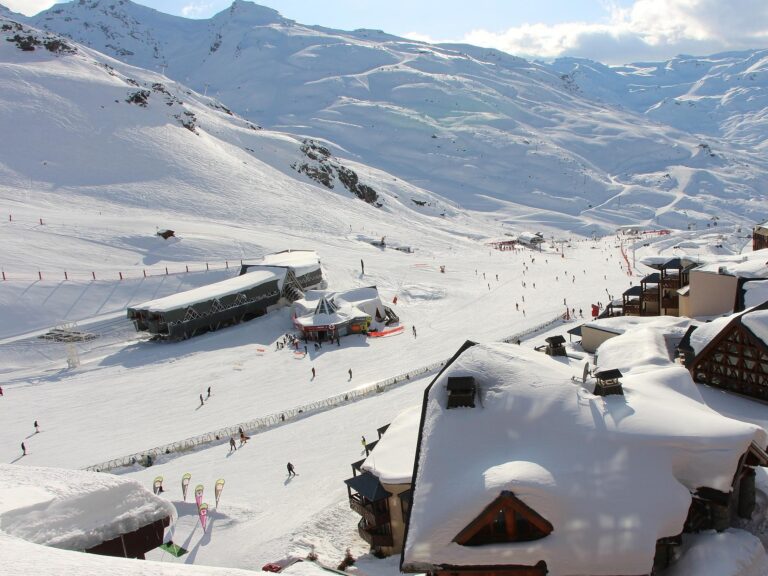
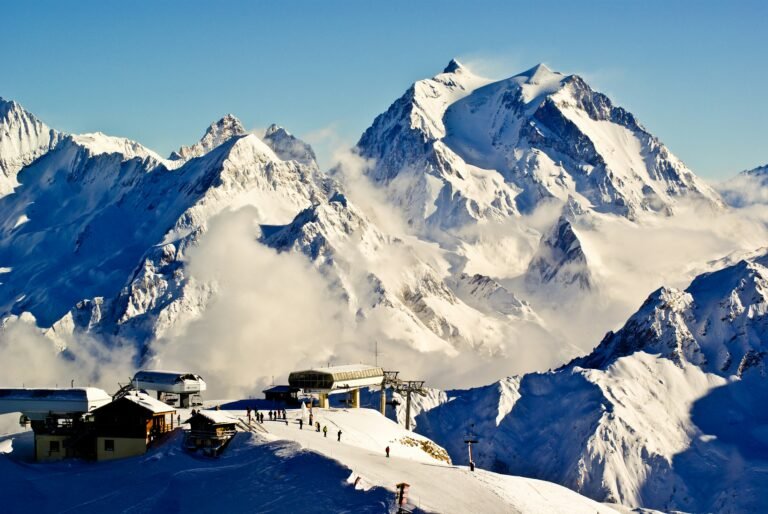
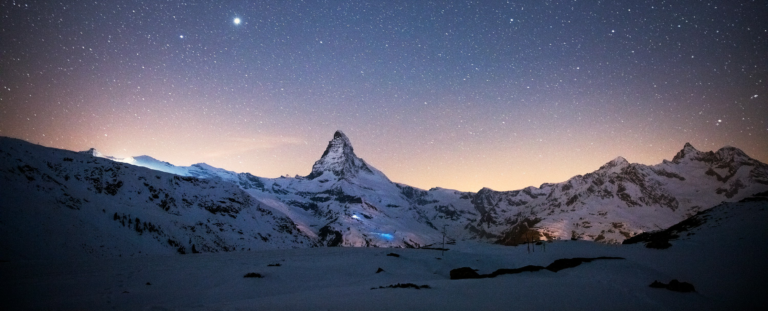
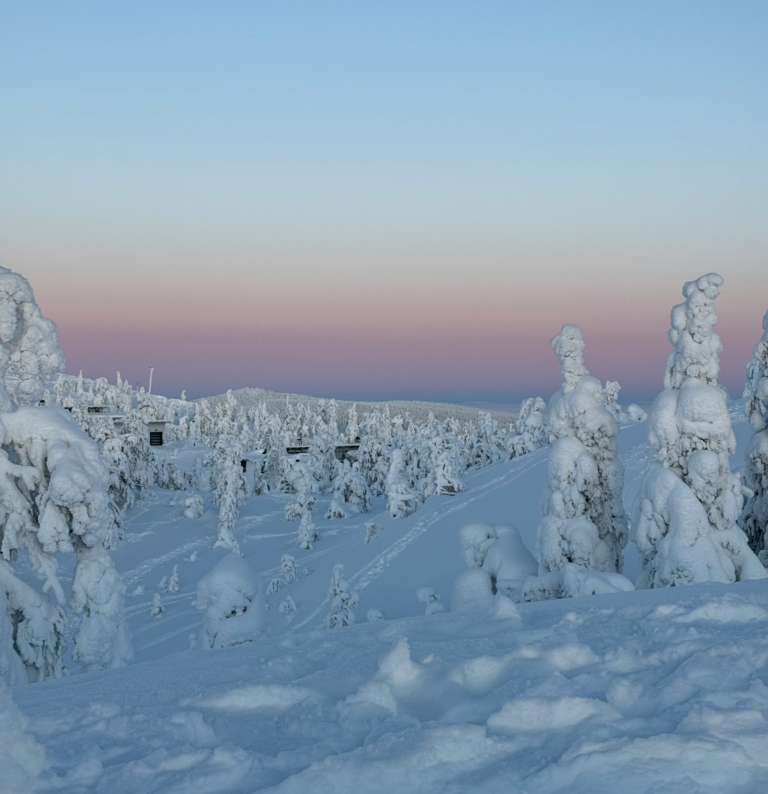
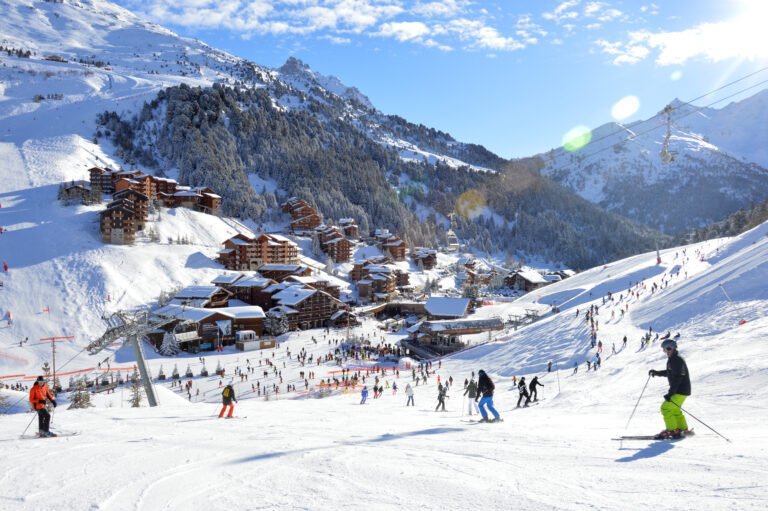
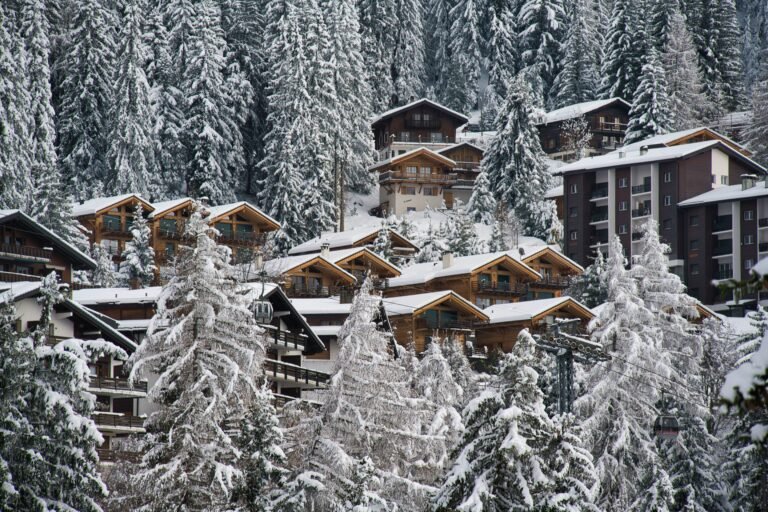
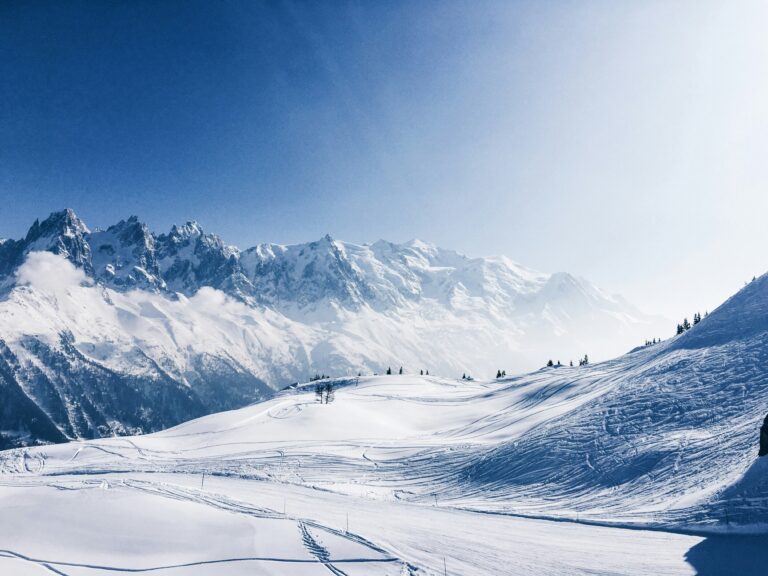
Chamonix is one of the most legendary ski destinations in the world, located at the foot of Mont Blanc in the French Alps. Unlike many purpose-built resorts, Chamonix is a historic alpine town with several separate ski areas spread throughout the valley. The resort is internationally famous for its challenging terrain and extreme freeride skiing, including the iconic Vallée Blanche glacier descent. Advanced skiers and mountaineers are particularly drawn to the area’s steep slopes and dramatic high-alpine environment. While beginner slopes do exist, the resort is best suited to experienced skiers seeking adventure and varied terrain. Chamonix also offers a lively town atmosphere with numerous restaurants, bars and shops, making it one of the most vibrant and iconic mountain destinations in Europe.
Filter Resorts
Zermatt
Altitude
Piste
6 Day Ski Pass
CHF493
Snow Reliability
Affordability
Apres
Other Activities
Spas, adventure sports, & off slope activities.
Resort Amenities
Restaurants, bars, clubs, shops & essential services.
Iconic car-free Swiss resort beneath the Matterhorn with glacier-backed skiing, huge vertical, world-class scenery and a ski domain that strongly suits intermediates, experts and ambitious all-mountain skiers.
Zermatt
Altitude
Piste
6 Day Ski Pass
CHF493
Snow Reliability
Zermatt is a world-famous car-free ski resort in Valais, Switzerland, set directly beneath the Matterhorn. The Matterhorn Ski Paradise offers up to 360km of pistes and international links into Cervinia and Valtournenche, creating one of Europe’s standout cross-border ski domains. Terrain is broad enough for improving skiers but is especially strong for intermediates, advanced piste skiers and freeriders looking for long high-alpine descents. With skiing reaching the glacier and lift-served terrain close to 3,900m, snow reliability is among the best in the Alps. The village feels polished and atmospheric, mixing old chalets, smart hotels, electric taxis and a busy but refined centre. It is particularly known for Matterhorn views, summer glacier skiing and the scale of its vertical drop across multiple mountain sectors.
Zermatt is one of the Alps’ most snow-sure destinations because skiing extends onto glacier terrain and up to nearly 3,900m, allowing a very long season and reliable high-mountain coverage.
Affordability Rating — 2/10
Zermatt is firmly premium-priced, with expensive accommodation, dining and lift passes compared with most Austrian and many French competitors.
Après Ski Rating — 7/10
Hennu Stall is the best-known party stop on the mountain, while Papperla Pub and Vernissage keep the village lively without matching the intensity of classic Austrian après resorts.
Other Activities Rating — 9/10
Scenic railways, winter walking, glacier viewpoints, shopping, spas and mountaineering heritage give Zermatt one of the Alps’ strongest non-ski line-ups.
Resort Amenities Rating — 9/10
Zermatt has excellent lift infrastructure, top-end hotels, strong guiding and ski school services, a deep restaurant scene and a highly walkable car-free centre.
Average Age Rating — 34
Zermatt tends to attract an adult, internationally mixed clientele of strong skiers, couples, affluent travellers and families rather than a predominantly student-led crowd.
Off-Piste Rating — 10/10
Glacier routes, lift-accessed freeride terrain and vast vertical make Zermatt one of the strongest all-round off-piste destinations in Europe when conditions are right.
- 6-day adult ski pass: from CHF445 (Zermatt)
- 1-day adult ski pass: from CHF88 (Zermatt)
- 6-day adult ski pass: from CHF493 (International Zermatt-Cervinia)
- Child and youth discounts available
- Covers up to 360km of pistes.
Zermatt is busiest in February and around Christmas because its international reputation and snow reliability draw strong holiday demand. The mountain is large enough to spread skiers well, but major uplift points such as Sunnegga, Gornergrat and Klein Matterhorn can still queue in peak periods. January and March often give a better balance of snow, visibility and reduced congestion while keeping most terrain open.
Busiest period: February
Best time to go: January to March.
Slope Breakdown
- Blue 74km
- Red 227km
- Black 20km
A further 36km of marked freeride itineraries are available, so the ski domain is strongest for intermediates and advanced all-mountain skiers.
Zermatt nightlife includes Broken Bar as a late club option, plus Papperla Pub and Vernissage as two of the best-known evening venues. The overall atmosphere is lively and stylish rather than all-out party focused.
Zermatt has approximately 100+ restaurants ranging from traditional alpine dining to modern international cuisine.
Notable spots include:
Chez Vrony – iconic mountain restaurant with Matterhorn views and polished local cuisine
Findlerhof – highly regarded Findeln restaurant known for quality food and wine
Schäferstube – classic village restaurant specialising in regional dishes and lamb.
The food scene is among the strongest in the Alps, with more depth and quality than most resorts.
Laax
Altitude
Piste
6 Day Ski Pass
CHF320
Snow Reliability
Affordability
Apres
Other Activities
Spas, adventure sports, & off slope activities.
Resort Amenities
Restaurants, bars, clubs, shops & essential services.
Global freestyle capital with a large Swiss ski area, strong lift infrastructure and varied terrain that suits intermediates, advanced skiers and snowboarders especially well.
Laax
Altitude
Piste
6 Day Ski Pass
CHF320
Snow Reliability
Laax is a major ski resort in Graubünden, Switzerland, spread across Laax, Flims and Falera. The linked Flims Laax Falera domain offers around 224km of pistes with modern lifts and one of the best freestyle setups in Europe. Terrain is broad enough for beginners but is especially strong for intermediates, advanced piste skiers and freestyle riders, with good freeride potential in the wider area. The slopes reach high alpine sectors including the Vorab Glacier, helping conditions stay dependable through much of the season. The village atmosphere is modern and design-led around rocksresort and the base areas, with a younger feel than many traditional Swiss resorts. Laax is particularly known for its snow parks, halfpipe and progressive mountain culture.
High lift-served terrain and glacier access around Vorab support good snow reliability, though lower return runs can depend more on snowmaking during mild periods.
AFFORDABILITY: 4/10
Accommodation, food and passes are expensive by Alpine standards, although apartments and self-catering options offer some flexibility.
APRÈS: 8/10
The Indy Bar is one of the best-known après spots in resort, while Riders Lobby and Legna Bar keep the scene lively with a younger, music-led atmosphere.
OTHER ACTIVITIES: 8/10
Freestyle Academy, winter walking, sledging, wellness options and the treetop path add strong variety beyond piste skiing.
RESORT AMENITIES: 9/10
Laax has excellent lift infrastructure, standout freestyle facilities, strong rental and ski services, modern accommodation and a broad food scene.
AVERAGE AGE: 29
Popular with adult ski groups, snowboarders and younger mountain travellers, though families are still well represented.
OFF-PISTE RATING: 8/10
Strong freeride potential across the wider mountain with varied off-piste lines, especially when conditions are good and local knowledge is used.
- 6-day Flims Laax Falera pass: CHF275–320
- 1-day adult pass: from around CHF59, rising dynamically in peak periods
- Youth and child discounts available
- Senior discounts available
- Covers 224 km across Flims Laax Falera
Laax gets busiest in February and during major holiday weeks when its snow parks, modern base areas and broad appeal draw high visitor numbers. Lift capacity is strong, so queues are usually manageable, but the main access lifts and popular beginner areas can back up at peak times. Outside school holidays the mountain spreads people well.
Best time to go: mid-January to mid-March.
Slope Breakdown:
- 88 Blue
- 70 Red
- 66 Black
Terrain is varied and modern, with the strongest appeal for intermediates, advanced skiers and freestyle riders.
Laax has a lively nightlife scene centred more on bars and music venues than traditional clubs. Popular spots include Riders Lobby, Indy Bar and Legna Bar. The atmosphere is modern, social and younger-skewing compared with more classic Swiss resorts.
Laax has 50+ restaurants ranging from traditional alpine dining to modern international cuisine.
Notable spots include:
Riders Restaurant – stylish venue known for creative modern food and a design-led atmosphere.
Restaurant Camino – reliable Italian-focused restaurant with pizza, pasta and a broad all-round menu.
Capalari – popular mountain restaurant serving simple regional dishes in a modern setting.
The food scene is stronger and more varied than most freestyle-focused resorts, with a notably modern feel.
Davos
Altitude
Piste
6 Day Ski Pass
CHF390
Snow Reliability
Affordability
Apres
Other Activities
Spas, adventure sports, & off slope activities.
Resort Amenities
Restaurants, bars, clubs, shops & essential services.
Large Swiss destination with multiple ski sectors, extensive off-piste and freestyle options, and a lively town atmosphere that combines serious skiing with strong nightlife and amenities.
Davos
Altitude
Piste
6 Day Ski Pass
CHF390
Snow Reliability
Davos is a major high-alpine resort town in Graubünden, Switzerland, linked with neighbouring Klosters. The wider Davos Klosters domain offers around 300km of pistes across six ski areas, giving it one of the broadest ski selections in Switzerland. Terrain is varied, with strong intermediate cruising, plenty for advanced skiers, freestyle at Jakobshorn and family-friendly sectors such as Madrisa. The altitude and spread of separate mountains usually help preserve good conditions through the core season. Unlike purpose-built resorts, Davos feels like a real town, with major hotels, rail links, events and a nightlife scene that runs well beyond the slopes. It is especially known for Jakobshorn après, Parsenn’s classic long descents and its long-standing reputation as one of the Alps’ livelier Swiss destinations.
Good altitude, multiple mountain sectors and broad snowmaking coverage support dependable snow conditions, especially from January through March.
AFFORDABILITY: 4/10
Davos is expensive overall, with Swiss pricing across accommodation, dining and passes, though the range of lodging is broader than in smaller luxury resorts.
APRÈS: 8/10
Bolgen Plaza is one of the best-known après venues, while Jatzhütte and Montana Bar are major names in the wider Davos nightlife scene.
OTHER ACTIVITIES: 9/10
Davos has exceptional non-ski depth including cross-country skiing, winter walking, spas, events, shopping, sledging and a full town-based programme.
RESORT AMENITIES: 9/10
With major hotels, rail access, shopping, sports facilities, nightlife and six ski areas, Davos has one of the deepest amenity offers in the Alps.
AVERAGE AGE: 32
The visitor mix is broad, with adult ski groups, event visitors, families and strong skiers creating a balanced but slightly mature profile.
OFF-PISTE RATING: 9/10
Davos Klosters is one of Switzerland’s stronger freeride destinations, with well-known off-piste terrain around Parsenn, Jakobshorn and Pischa.
- 6-day Davos Klosters regional pass: CHF390
- 1-day adult regional pass: CHF94
- Youth and child discounts available
- Family products available on selected pass structures
- Covers around 300 km across Davos Klosters
Davos is busiest in February and during major event or holiday periods, especially when school breaks overlap with strong snow conditions. The six-ski-area structure helps distribute visitors, but Jakobshorn base lifts, Parsenn access and main après locations can get busy. January and March generally offer the best balance of coverage, lower crowding and full resort energy.
Best time to go: January to March.
Slope Breakdown:
Approximately
- 85 Blue
- 140 Red
- 75 Black
The overall mix suits intermediates best but still offers strong advanced, freeride and freestyle options.
Davos nightlife includes Pöstli Club as a true late venue, plus Ex Bar and Montana Bar as two of the best-known bars in town. The overall atmosphere is lively, varied and stronger than in most Swiss resorts.
Davos has 140+ restaurants ranging from traditional alpine dining to modern international cuisine.
Notable spots include:
Bolgen Plaza – popular slope-side restaurant known for Graubünden specialities and a famous après terrace.
Montana Stube – lively central restaurant-bar pairing casual alpine food with a social evening atmosphere.
Schneider’s – well-known Davos spot for polished comfort food and a reliable town-centre setting.
The food scene is broad and town-like, with more range than most ski resorts of similar size.
Wengen
Altitude
Piste
6 Day Ski Pass
CHF424
Snow Reliability
Affordability
Apres
Other Activities
Spas, adventure sports, & off slope activities.
Resort Amenities
Restaurants, bars, clubs, shops & essential services.
Beautiful car-free Swiss village with classic mountain scenery, access to the Jungfrau Ski Region and terrain that strongly suits intermediates and improving skiers.
Wengen
Altitude
Piste
6 Day Ski Pass
CHF424
Snow Reliability
Wengen is a historic car-free resort village in the Bernese Oberland, Switzerland, perched above Lauterbrunnen. It sits within the Jungfrau Ski Region, which offers about 211km of pistes across the Grindelwald-Wengen and wider linked areas. Terrain is especially appealing for beginners and intermediates, though stronger skiers can test themselves on steeper sectors including the famous Lauberhorn downhill course. The ski area is not as high as glacier resorts, but the network still delivers solid winter skiing through the main season. Wengen itself feels traditional and scenic, with chalet-style hotels, railway access and a peaceful atmosphere compared with busier party resorts. It is best known for its views of the Eiger, Mönch and Jungfrau and for the internationally famous Lauberhorn race.
Snow reliability is moderate rather than exceptional, but grooming, snowmaking and the higher Kleine Scheidegg sector usually keep the main ski area operating well in core season.
AFFORDABILITY: 3/10
Wengen is expensive overall, with Swiss pricing and limited budget stock, though it is usually less extreme than top luxury destinations.
APRÈS: 7/10
Hasenstall is the best-known après venue in Wengen, while On the Rocks and Tanne Bar are popular for drinks in the village.
OTHER ACTIVITIES: 8/10
Winter walking, scenic rail journeys, sledging, wellness and mountain excursions make Wengen strong for non-ski days.
RESORT AMENITIES: 8/10
Wengen has good hotels, restaurants, rail access, ski services and a polished village centre, though it is smaller in scale than major full-service resorts.
AVERAGE AGE: 35
Wengen draws many couples, families and traditional alpine travellers, giving it a slightly older and calmer profile than youth-led party resorts.
OFF-PISTE RATING: 7/10
The Jungfrau area has some worthwhile freeride terrain, but Wengen is more famous for piste skiing, scenery and classic ski touring atmosphere than hardcore off-piste culture.
- 6-day Jungfrau Ski Region pass: CHF424
- 1-day adult pass: CHF83
- Youth and child discounts available
- Up to three children aged 6–15 can ski free on Saturdays with an adult day pass at list price
- Covers about 211 km across the Jungfrau Ski Region
Wengen is busiest in February and during the Lauberhorn race period, when holiday demand and event visitors increase traffic across the village and ski network. Lift queues are usually manageable, but Kleine Scheidegg connections and key access routes can become busy in peak weeks. Outside major holidays the pace is calmer.
Best time to go: mid-January to mid-March.
Slope Breakdown:
The wider Jungfrau Ski Region totals about 211 km of pistes with a strong emphasis on blue and red terrain, making it particularly attractive for beginners and intermediates.
Wengen nightlife includes Hasenstall as the main late venue, plus On the Rocks and Tanne Bar as two notable bars in the village. The overall atmosphere is friendly and low-key rather than a major party scene.
Wengen has approximately 28+ restaurants ranging from traditional alpine dining to modern international cuisine.
Notable spots include:
Alpine Herb Restaurant Bären – polished local restaurant serving seasonal cuisine with a modern regional touch.
Restaurant Maya Caprice – cosy restaurant with an Italian influence and a terrace overlooking the valley.
Restaurant Eigernordwand – well-situated mountain restaurant at Kleine Scheidegg with classic alpine views and convenient slope access.
The food scene is smaller than in major resorts but strong for a village of Wengen’s size and style.
Alpe d'Huez
Altitude
Piste
6 Day Ski Pass
€330
Snow Reliability
Affordability
Apres
Other Activities
Spas, adventure sports, & off slope activities.
Resort Amenities
Restaurants, bars, clubs, shops & essential services.
Sunny high-altitude French resort with a large linked domain, strong intermediate skiing, good beginner areas and a lively social scene built around terraces, bars and long panoramic descents.
Alpe d'Huez
Altitude
Piste
6 Day Ski Pass
€330
Snow Reliability
Alpe d’Huez is a major resort in Isère, France, set on a south-facing plateau in the Oisans mountains. The linked Alpe d’Huez Grand Domaine Ski offers around 250km of pistes across Alpe d’Huez, Oz, Vaujany, Auris and Villard-Reculas. Terrain is broad and accessible, with very good beginner zones, long intermediate cruisers and enough steeper runs to interest advanced skiers. The resort’s altitude and extensive lift network help preserve decent snow conditions through much of the winter. The village feels lively and practical, with apartment blocks, hotels, sunny terraces and a busier atmosphere than many traditional mountain villages. It is best known for the 16km Sarenne run, one of the world’s longest black-marked descents, and for its unusually high number of sunshine hours.
Good altitude and broad snowmaking coverage support reliable winter conditions, although sunny exposure can soften lower slopes more quickly in warm periods.
AFFORDABILITY: 6/10
Alpe d’Huez offers a wider spread of apartment and hotel prices than many top French resorts, making it relatively good value for its size and altitude.
APRÈS: 8/10
La Folie Douce is the best-known on-mountain après venue, while Smithy’s Tavern and Underground Bar are major names in the village.
OTHER ACTIVITIES: 8/10
Sledging, mountain kart, ice skating, swimming, winter walking and family activities provide a strong non-ski mix.
RESORT AMENITIES: 8/10
The resort has solid lift infrastructure, strong self-catering stock, good ski services and plenty of bars, restaurants and family facilities.
AVERAGE AGE: 30
Alpe d’Huez attracts a broad crowd of ski groups, season workers, families and active younger visitors, giving it a fairly youthful overall profile.
OFF-PISTE RATING: 8/10
There is good off-piste potential across the domain, with steeper sectors and routes that appeal to confident skiers when conditions allow.
- 6-day Alpe d’Huez Grand Domaine Ski pass: €330
- 1-day adult pass: €66
- Child and senior discounts available
- Family and group offers available on selected products
- Covers 250 km across Alpe d’Huez Grand Domaine Ski
Alpe d’Huez is busiest in February when French, European and UK school holidays overlap and the resort’s large accommodation base fills out. The modern network spreads skiers fairly well, but main village lifts, nursery areas and marquee sectors can still get busy. January and March typically deliver a better balance of snow, quieter slopes and full resort operations.
Best time to go: January to mid-March.
Slope Breakdown:
- 41 Green
- 34 Blue
- 40 Red
- 16 Black
Terrain is broad and progressive, with particularly strong beginner and intermediate skiing plus some memorable advanced descents.
Alpe d’Huez nightlife includes Igloo as the main nightclub, plus Smithy’s Tavern and Underground Bar as two of the best-known evening venues. The overall atmosphere is lively, accessible and stronger than in many family-focused French resorts.
Alpe d’Huez has approximately 60+ restaurants ranging from traditional alpine dining to modern international cuisine.
Notable spots include:
Smithy’s Tavern – long-running resort institution known for burgers, drinks and live music atmosphere.
La Folie Douce – famous slope-side venue combining food, terrace dining and high-energy après.
Pizzeria Pinocchio – dependable casual option popular for straightforward pizzas and relaxed group meals.
The food scene is broad and practical, with more nightlife-linked venues than many comparable French resorts.
Cortina d'Ampezzo
Altitude
Piste
6 Day Ski Pass
€423
Snow Reliability
Affordability
Apres
Other Activities
Spas, adventure sports, & off slope activities.
Resort Amenities
Restaurants, bars, clubs, shops & essential services.
Stylish Dolomites resort with exceptional scenery, polished piste skiing and an elegant town atmosphere, best suited to intermediates and skiers who value food, views and Italian resort culture.
Cortina d'Ampezzo
Altitude
Piste
6 Day Ski Pass
€423
Snow Reliability
Cortina d’Ampezzo is a historic resort town in the Veneto Dolomites of northern Italy. The local Cortina ski area offers about 120km of pistes across its main sectors, while the Dolomiti Superski pass opens access to a far larger 1,200km network. Terrain is strongest for intermediates and stronger piste skiers, though there are beginner zones and some more demanding runs in areas such as Tofana. Snow reliability is solid in core winter thanks to altitude and snowmaking, even if the area is less naturally snow-sure than the highest Alpine resorts. The town atmosphere is elegant and spacious, with boutiques, cafés, smart hotels and a distinctly Italian social rhythm. Cortina is especially known for dramatic Dolomite scenery, the Olympia delle Tofane race heritage and its status as one of Italy’s most iconic winter destinations.
Cortina combines solid alpine altitude with strong snowmaking and usually delivers dependable piste conditions through the main season, though it is less naturally snow-sure than the highest glacier resorts.
AFFORDABILITY: 3/10
Cortina is premium-priced, especially for central hotels, dining and shopping, though it can still undercut the most expensive Swiss luxury resorts.
APRÈS: 7/10
Chalet Tofane is one of the best-known après venues, while Janbo and Molo Pub are popular names for drinks in town.
OTHER ACTIVITIES: 9/10
Cortina is excellent beyond skiing, with shopping, winter walking, spas, scenic excursions, dining and a deep town-based social scene.
RESORT AMENITIES: 9/10
The resort combines strong hospitality, stylish retail, quality dining, ski services and a polished town centre with major destination appeal.
AVERAGE AGE: 36
Cortina tends to attract couples, mature ski groups, affluent travellers and style-conscious visitors, giving it a slightly older average profile.
OFF-PISTE RATING: 8/10
Cortina has worthwhile freeride and sidecountry terrain, especially around the Dolomite sectors, though it is better known for scenic piste skiing than a hardcore freeride identity.
- 6-day Cortina valley pass: around €362
- 1-day adult valley pass: around €77
- 6-day Dolomiti Superski pass: €423
- Junior and senior discounts available
- Free skiing for very young accompanied children on eligible products
- Covers 120 km locally and 1,200 km on Dolomiti Superski
Cortina is busiest in February and around major event periods, when school holidays and destination demand increase traffic across both the slopes and town. Because the ski sectors are not as seamlessly connected as some mega-domains, access points can feel unevenly busy in peak weeks. January and March usually offer a better balance of conditions, quieter pistes and easier movement.
Best time to go: mid-January to mid-March.
Slope Breakdown
Approximately
- 29 Blue
- 65 Red
- 26 Black
Across the Cortina area
The mix favours intermediates most, with scenic cruising and some stronger expert sectors.
Cortina nightlife includes Janbo as a late venue, plus Molo Pub and Bar La Suite as two notable spots for evening drinks. The overall atmosphere is stylish, social and more aperitivo-led than rowdy.
Cortina d’Ampezzo has approximately 40+ restaurants ranging from traditional alpine dining to modern international cuisine.
Notable spots include:
Chalet Tofane – popular slope-side restaurant-bar with broad cuisine and a strong social atmosphere.
Tivoli – one of Cortina’s best-known refined restaurants with a more elevated fine-dining reputation.
El Camineto – long-established restaurant known for polished mountain dining in a smart setting.
The food scene is one of Cortina’s biggest strengths, with more style and culinary depth than most ski resorts.
Livigno
Altitude
Piste
6 Day Ski Pass
€360
Snow Reliability
Affordability
Apres
Other Activities
Spas, adventure sports, & off slope activities.
Resort Amenities
Restaurants, bars, clubs, shops & essential services.
High-altitude Italian resort known for reliable snow, wide pistes, strong value and a lively duty-free town atmosphere with good beginner and intermediate terrain.
Livigno
Altitude
Piste
6 Day Ski Pass
€360
Snow Reliability
Livigno is a high-altitude ski resort in Lombardy, Italy, located close to the Swiss border. The ski area offers around 115km of pistes split across two main mountain sectors with modern lifts and good access. Terrain is well suited to beginners and intermediates, with wide open slopes and plenty of progression areas, while advanced skiers have some steeper pistes and off-piste options. With a base above 1,800m and slopes rising over 2,700m, snow reliability is strong throughout the core season. The town is long and spread out, with a mix of hotels, apartments, shops and a busy après scene. Livigno is especially known for its duty-free status, snow parks and consistent conditions.
Livigno benefits from high altitude and a cold microclimate, making it one of the more snow-reliable resorts in Italy with consistent coverage through winter.
Affordability Rating — 8/10
Livigno offers strong value compared with many Alpine resorts, with duty-free pricing helping reduce costs on food, drink and shopping.
Après Ski Rating — 8/10
Tea del Vidal is one of the best-known après spots, while Stalet and Miky’s Pub keep the atmosphere lively across the resort.
Other Activities Rating — 8/10
Livigno offers snow parks, winter walking, cross-country skiing, shopping, wellness centres and a wide range of non-ski activities.
Resort Amenities Rating — 8/10
Livigno has modern lifts, extensive accommodation, strong ski services, a long town with shopping and good overall infrastructure.
Average Age Rating — 30
Livigno attracts a mix of families, groups and younger visitors, with a relatively balanced but slightly youthful profile.
Off-Piste Rating — 7/10
Livigno offers accessible freeride terrain and some touring potential, though it is more piste-focused overall.
- 6-day Livigno ski pass: €360
- 1-day adult pass: €72
- Child, junior and senior discounts available
- Family offers available
- Covers 115 km of pistes
Livigno is busiest in February during European and UK school holidays when its value, snow reliability and accessibility attract high demand. Lift queues are generally manageable due to good infrastructure, but base areas and beginner zones can become busy. January and March typically offer quieter slopes with strong conditions.
Busiest period: February
Best time to go: January to March.
Slope Breakdown
- 29km Blue
- 65km Red
- 21km Black
Terrain is wide and open, with a strong focus on progression and cruising.
Livigno nightlife includes Kokodi Club as a late venue, plus Miky’s Pub and Stalet as two of the best-known bars. The overall atmosphere is lively, sociable and more energetic than many Italian resorts.
Livigno has approximately 60+ restaurants ranging from traditional alpine dining to modern international cuisine.
Notable spots include:
Bivio Restaurant – popular central restaurant known for Italian dishes and a lively setting.
La Pioda – well-regarded for local Valtellina cuisine in a traditional atmosphere.
Ristorante Tagliede – mountain restaurant offering scenic views and classic alpine meals.
The food scene is strong for its size, with good variety and value compared with higher-end resorts.
Madonna di Campiglio
Altitude
Piste
6 Day Ski Pass
€380
Snow Reliability
Affordability
Apres
Other Activities
Spas, adventure sports, & off slope activities.
Resort Amenities
Restaurants, bars, clubs, shops & essential services.
Prestigious Italian resort with scenic Dolomite surroundings, strong intermediate skiing and access to a large linked network including Pinzolo and Folgarida-Marilleva.
Madonna di Campiglio
Altitude
Piste
6 Day Ski Pass
€380
Snow Reliability
Madonna di Campiglio is a leading ski resort in Trentino, Italy, set in the Brenta Dolomites. The ski area links with Pinzolo and Folgarida-Marilleva to offer around 150km of connected pistes within the Skirama Dolomiti network. Terrain is particularly strong for intermediates, with long cruising reds, while beginners have good nursery zones and advanced skiers can find steeper sections across the network. The altitude and lift system support consistent conditions through the winter season. The town is compact and stylish, with pedestrian areas, boutique shops and a refined Italian feel. Madonna di Campiglio is especially known for its scenery, World Cup slalom race and balanced mix of skiing and village atmosphere.
Snow reliability is solid thanks to altitude, north-facing slopes and widespread snowmaking across the connected ski area.
Affordability Rating — 4/10
Prices are mid-to-high range, with a more premium feel than many Italian resorts but still below Swiss luxury destinations.
Après Ski Rating — 7/10
Lab Après Ski is one of the main venues, while Cliffhanger and Des Alpes provide a steady evening scene.
Other Activities Rating — 8/10
Ice skating, winter walking, spas and events provide a strong non-ski offering in a scenic setting.
Resort Amenities Rating — 8/10
The resort has modern lifts, quality accommodation, strong ski services and a well-developed town centre.
Average Age Rating — 33
Madonna di Campiglio attracts couples, families and experienced skiers, with a slightly older and more refined visitor profile.
Off-Piste Rating — 7/10
There are some off-piste opportunities across the Skirama network, though the focus remains on piste skiing.
- 6-day Skirama Dolomiti pass: €380
- 1-day adult pass: €75
- Child, junior and senior discounts available
- Family offers available
- Covers 150 km locally and wider Skirama access
Madonna di Campiglio is busiest in February during peak holiday weeks when Italian and international demand increases. The linked area helps distribute skiers, though main lifts and central slopes can become busy. January and March usually offer quieter conditions with full access.
Busiest period: February
Best time to go: January to March.
SSlope Breakdown:
- 50km Blue
- 70km Red
- 30km Black
Terrain is well balanced but strongest for intermediate cruising.
Madonna di Campiglio nightlife includes Cliffhanger Club as a late option, plus Lab Après Ski and Des Alpes as two notable bars. The overall atmosphere is lively but more refined than high-energy party resorts.
Madonna di Campiglio has approximately 50+ restaurants ranging from traditional alpine dining to modern international cuisine.
Notable spots include:
Ristorante Il Gallo Cedrone – Michelin-starred dining with refined alpine cuisine.
La Stube di Franz Josef – classic Tyrolean-style restaurant known for hearty dishes.
Home Stube – popular venue blending local and modern cuisine in a relaxed setting.
The food scene is high quality and more refined than most resorts of similar size.
Cervinia
Altitude
Piste
6 Day Ski Pass
€470
Snow Reliability
Affordability
Apres
Other Activities
Spas, adventure sports, & off slope activities.
Resort Amenities
Restaurants, bars, clubs, shops & essential services.
High-altitude Italian resort with exceptional snow reliability, wide open pistes and direct links to Zermatt creating one of the largest ski areas in the Alps.
Cervinia
Altitude
Piste
6 Day Ski Pass
€470
Snow Reliability
Cervinia is a high-altitude ski resort in the Aosta Valley, Italy, located beneath the Matterhorn and linked with Zermatt in Switzerland. The combined Matterhorn Ski Paradise offers up to 360km of pistes with long interconnected runs. Terrain is ideal for beginners and intermediates, with wide gentle slopes, while advanced skiers have access to higher alpine terrain and cross-border routes. With a base above 2,000m and glacier access, snow reliability is among the best in Europe. The resort is purpose-built, with a practical layout focused on skiing rather than traditional charm. Cervinia is particularly known for its long descents, high-altitude skiing and access to one of the Alps’ most iconic mountain landscapes.
Very high altitude and glacier access provide excellent snow reliability, with consistent conditions across most of the season.
Affordability Rating — 5/10
Cervinia is good value compared with Zermatt while still offering access to the same ski area.
Après Ski Rating — 7/10
Love Cervinia and Ymeletrob are key venues, with a steady but not extreme après scene.
Other Activities Rating — 7/10
Snowshoeing, sledging and scenic lifts provide some variety beyond skiing.
Resort Amenities Rating — 8/10
Cervinia has strong lift infrastructure, ski services and accommodation, though it is less polished than top Swiss resorts.
Average Age Rating — 31
The resort attracts a mix of families, groups and intermediate-focused skiers, creating a balanced visitor profile.
Off-Piste Rating — 8/10
High alpine terrain and glacier routes provide strong off-piste potential when conditions allow.
- 6-day Matterhorn Ski Paradise pass: €470
- 1-day adult pass: €95
- Child, youth and senior discounts available
- Covers up to 360 km including Zermatt
Cervinia is busiest in February when school holidays overlap and its snow reliability makes it a popular choice. The large ski area spreads visitors well, but key lifts and cross-border routes can see queues. January and March offer quieter conditions with excellent snow.
Busiest period: February
Best time to go: January to March.
Slope Breakdown
- 50km Blue
- 180km Red
- 30km Black
Terrain is heavily weighted toward beginner and intermediate cruising.
Cervinia nightlife includes Club Bianconiglio as a late venue, plus Ymeletrob and Love Cervinia as two notable bars. The overall atmosphere is relaxed and social rather than intense.
Cervinia has approximately 40+ restaurants ranging from traditional alpine dining to modern international cuisine.
Notable spots include:
Chalet Etoile – famous mountain restaurant known for lively dining and quality Italian dishes.
Ymeletrob – stylish restaurant-bar combining food with a social atmosphere.
Ristorante Alpage – traditional alpine restaurant focused on local cuisine.
The food scene is solid and enjoyable, though less refined than top Italian destinations.
Val Gardena
Altitude
Piste
6 Day Ski Pass
€400
Snow Reliability
Affordability
Apres
Other Activities
Spas, adventure sports, & off slope activities.
Resort Amenities
Restaurants, bars, clubs, shops & essential services.
Large Dolomites ski area with exceptional scenery, perfectly groomed pistes and direct access to the Sella Ronda circuit, ideal for intermediate and all-mountain skiers.
Val Gardena
Altitude
Piste
6 Day Ski Pass
€400
Snow Reliability
Val Gardena is a major ski region in South Tyrol, Italy, including Ortisei, Selva and Santa Cristina. It forms part of the Dolomiti Superski network, offering around 500km of linked pistes including the Sella Ronda circuit. Terrain is particularly strong for intermediates, with long cruising runs, though beginners and advanced skiers are also well catered for. The altitude and snowmaking infrastructure support consistent winter conditions. The villages vary from traditional to more modern but all retain a strong alpine identity. Val Gardena is especially known for its scenery, perfectly groomed slopes and famous runs such as Saslong.
Snow reliability is supported by strong snowmaking and good altitude, ensuring consistent piste conditions across the Dolomites network.
Affordability Rating — 5/10
Prices are mid-range for a major Italian ski area, offering good value compared with Swiss resorts.
Après Ski Rating — 8/10
Luislkeller is one of the best-known venues, while La Stua and Après Ski Bar Saltos provide a lively scene.
Other Activities Rating — 8/10
Winter walking, sledging, shopping and cultural activities provide good variety beyond skiing.
Resort Amenities Rating — 9/10
Excellent lift network, high-quality accommodation and strong ski services across multiple villages.
Average Age Rating — 33
Attracts a mix of experienced skiers, families and returning visitors, with a balanced demographic. Off-Piste Rating — 9/10 | Extensive terrain across the Dolomites offers strong freeride opportunities, especially with guidance.
Off-Piste Rating — 9/10
Extensive terrain across the Dolomites offers strong freeride opportunities, especially with guidance.
- 6-day Dolomiti Superski pass: €400
- 1-day adult pass: €80
- Child, junior and senior discounts available
- Covers 500 km across Dolomiti Superski
Val Gardena is busiest in February during peak holiday periods, with high demand across the Sella Ronda. The large network distributes skiers well, though key routes can become busy. January and March offer quieter conditions with full access.
Busiest period: February
Best time to go: January to March.
Slope Breakdown
Approximately
- 30% Blue
- 60% Red
- 10% Black
Terrain strongly favours intermediate skiing with excellent piste quality.
Val Gardena nightlife includes Luislkeller Club as a late venue, plus Après Ski Bar Saltos and La Stua as two notable bars. The overall atmosphere is lively but balanced with traditional alpine charm.
Val Gardena has approximately 80+ restaurants ranging from traditional alpine dining to modern international cuisine.
Notable spots include:
Rifugio Emilio Comici – renowned mountain restaurant with refined cuisine and scenic views.
Restaurant Tubladel – highly rated for local South Tyrolean dishes.
La Stua – cosy restaurant offering traditional alpine food in a rustic setting.
The food scene is among the strongest in the Dolomites with excellent quality and variety.
Arabba
Altitude
Piste
6 Day Ski Pass
€400
Snow Reliability
Affordability
Apres
Other Activities
Spas, adventure sports, & off slope activities.
Resort Amenities
Restaurants, bars, clubs, shops & essential services.
Small high-altitude Dolomites resort with direct Sella Ronda access, excellent snow reliability and strong advanced terrain, appealing to experienced skiers seeking quieter slopes.
Arabba
Altitude
Piste
6 Day Ski Pass
€400
Snow Reliability
Arabba is a compact ski resort in the Veneto Dolomites, Italy, positioned directly on the Sella Ronda circuit. The local ski area offers around 62km of pistes, but links into the much larger Dolomiti Superski network. Terrain is best suited to intermediate and advanced skiers, with steeper runs and challenging descents compared to neighbouring resorts. Its altitude and position near Marmolada glacier provide strong snow reliability. The village is small and quiet, focused almost entirely on skiing rather than nightlife or shopping. Arabba is particularly known for access to the Marmolada glacier and some of the Dolomites’ most demanding pistes.
High altitude and proximity to Marmolada glacier provide strong snow reliability and consistent winter conditions.
Affordability Rating — 5/10
Prices are moderate for the Dolomites, offering good value compared with larger or more prestigious resorts.
Après Ski Rating — 6/10
Après Ski Bar Peter is a key venue, while Miky’s Grill offers a relaxed evening atmosphere.
Other Activities Rating — 5/10
Limited non-ski activities beyond winter walking and basic resort facilities.
Resort Amenities Rating — 7/10
Arabba has essential ski services and accommodation but lacks the scale of larger resorts.
Average Age Rating — 35
Attracts experienced skiers, couples and quieter groups, with a slightly older and more focused demographic.
Off-Piste Rating — 9/10
Excellent freeride potential, especially around Marmolada, with steep and challenging terrain for advanced skiers.
- 6-day Dolomiti Superski pass: €400
- 1-day adult pass: €80
- Child, junior and senior discounts available
- Covers 62 km locally and 500 km on Dolomiti Superski
Arabba is busiest in February during peak holiday periods when Sella Ronda traffic increases. Despite this, it remains quieter than neighbouring resorts, though key circuit routes can see congestion. January and March provide quieter conditions with strong snow.
Busiest period: February
Best time to go: January to March.
SSlope Breakdown
- 22km Blue
- 29km Red
- 11km Black
Terrain leans toward intermediate and advanced skiing with fewer beginner areas.
Arabba nightlife includes Après Ski Bar Peter as the main late venue, plus Miky’s Grill and Bar Peter as two notable bars. The overall atmosphere is low-key and focused on skiing rather than nightlife.
Arabba has approximately 25+ restaurants ranging from traditional alpine dining to modern international cuisine.
Notable spots include:
Ristorante Al Table – well-known for refined local cuisine in a mountain setting.
Miky’s Grill – popular for casual dining and grilled dishes.
Rifugio Burz – mountain restaurant offering scenic views and traditional meals.
The food scene is smaller but high quality, with strong traditional Alpine influences.
Pas de la Casa
Altitude
Piste
6 Day Ski Pass
€380
Snow Reliability
Affordability
Apres
Other Activities
Spas, adventure sports, & off slope activities.
Resort Amenities
Restaurants, bars, clubs, shops & essential services.
High-altitude Andorran resort with strong snow reliability, direct access to the Grandvalira ski area and one of the liveliest après scenes in the Pyrenees.
Pas de la Casa
Altitude
Piste
6 Day Ski Pass
€380
Snow Reliability
Pas de la Casa is a high-altitude resort in Andorra, located on the French border and forming part of the Grandvalira ski area. The domain offers around 210km of pistes with modern lifts and extensive connectivity across multiple sectors. Terrain is varied, with strong beginner and intermediate areas, while advanced skiers have access to steeper pistes and some off-piste terrain. Its high base altitude supports reliable snow conditions through the core season. The resort is compact and purpose-built, with easy ski-in ski-out access and a dense concentration of bars, shops and accommodation. It is particularly known for its lively nightlife and access to one of the largest ski areas in the Pyrenees.
High base altitude and strong snowmaking ensure good snow reliability across most of the season, especially compared with other Pyrenean resorts.
Affordability Rating — 7/10
Pas de la Casa offers relatively good value compared with Alpine resorts, with competitive accommodation and lift pass pricing.
Après Ski Rating — 9/10
Coll Blanc is one of the best-known slope-side venues, while Underground Bar and Milwaukee keep the nightlife active into the evening.
Other Activities Rating — 7/10
Shopping, wellness facilities, snow activities and access to wider Grandvalira experiences provide solid variety beyond skiing.
Resort Amenities Rating — 7/10
The resort has good lift access, plenty of accommodation and a strong bar scene, though it is less polished than major Alpine destinations.
Average Age Rating — 27
Pas de la Casa attracts younger groups, seasonal workers and budget-conscious skiers, giving it a noticeably youthful profile.
Off-Piste Rating — 6/10
Some accessible off-piste terrain exists, though the focus remains largely on groomed pistes.
- 6-day Grandvalira pass: €380
- 1-day adult pass: €78
- Child, youth and senior discounts available
- Covers 210 km across Grandvalira
Pas de la Casa is busiest in February during European and UK school holidays when its value and nightlife attract high demand. The large ski area helps distribute visitors, but base lifts and central slopes can become busy. January and March generally offer quieter conditions with reliable snow.
Busiest period: February
Best time to go: January to March.
Slope Breakdown
- 65km Blue
- 100km Red
- 45km Black
Terrain is well balanced with a slight emphasis on intermediate skiing.
Pas de la Casa nightlife includes Underground Club as a late venue, plus Milwaukee and Coll Blanc as two of the best-known bars. The overall atmosphere is lively, energetic and one of the strongest in the Pyrenees.
Pas de la Casa has approximately 40+ restaurants ranging from traditional alpine dining to modern international cuisine.
Notable spots include:
Restaurant El Marselles – popular for hearty European dishes in a relaxed setting.
Coll Blanc – slope-side venue combining food with a lively terrace atmosphere.
Restaurant La Granja – well-known for simple local cuisine and good value meals.
The food scene is varied and accessible, with more focus on casual dining than high-end experiences.
Arinsal
Altitude
Piste
6 Day Ski Pass
€300
Snow Reliability
Affordability
Apres
Other Activities
Spas, adventure sports, & off slope activities.
Resort Amenities
Restaurants, bars, clubs, shops & essential services.
Friendly Andorran resort with good beginner terrain, a compact ski area and a relaxed atmosphere combined with a surprisingly lively après scene.
Arinsal
Altitude
Piste
6 Day Ski Pass
€300
Snow Reliability
Arinsal is a ski resort in La Massana, Andorra, forming part of the Vallnord Pal-Arinsal ski area. The domain offers around 63km of pistes linked between Arinsal and Pal, with modern lifts and easy navigation. Terrain is particularly suited to beginners and intermediates, with wide slopes and clear progression areas, while advanced options are more limited. Snow reliability is supported by altitude and snowmaking, though it is less extensive than larger resorts. The village is compact and accessible, with a strong focus on convenience and a social après scene. Arinsal is especially known for its welcoming atmosphere and suitability for newer skiers.
Snow reliability is moderate, supported by snowmaking and mid-mountain altitude, though conditions can vary more than in higher resorts.
Affordability Rating — 8/10
Arinsal is one of the more affordable European ski resorts, with good value accommodation and lift passes.
Après Ski Rating — 8/10
Mooser’s and The Derby Irish Pub are two of the most popular après venues in resort.
Other Activities Rating — 6/10
Limited non-ski options include basic winter activities and access to nearby facilities in La Massana.
Resort Amenities Rating — 7/10
Arinsal offers solid ski services, accommodation and lift access, though on a smaller scale than major resorts.
Average Age Rating — 28
The resort attracts younger groups, beginners and budget travellers, giving it a youthful and social atmosphere.
Off-Piste Rating — 5/10
Off-piste options are limited, with the focus mainly on groomed runs.
- 6-day Vallnord Pal-Arinsal pass: €300
- 1-day adult pass: €62
- Child, youth and senior discounts available
- Covers 63 km across Vallnord Pal-Arinsal
Arinsal is busiest in February during school holidays when demand from families and groups increases. The compact ski area can feel busier than larger resorts, particularly around main lifts. January and March offer quieter conditions and good value.
Busiest period: February
Best time to go: January to March.
Slope Breakdown
- 30km Blue
- 25km Red
- 8km Black
Terrain is strongly beginner-focused with steady progression.
Arinsal nightlife includes Mooser’s as a key late venue, plus The Derby Irish Pub and Cisco’s as two notable bars. The overall atmosphere is lively and social despite the resort’s small size.
Arinsal has approximately 25+ restaurants ranging from traditional alpine dining to modern international cuisine.
Notable spots include:
Surf Arinsal – popular casual dining spot with burgers and international dishes.
Restaurant 360 Eatery – modern restaurant offering a varied menu and relaxed atmosphere.
El Cabin – cosy mountain-style restaurant serving simple alpine meals.
The food scene is limited in scale but good for a resort of this size.
Levi
Altitude
Piste
6 Day Ski Pass
€300
Snow Reliability
Affordability
Apres
Other Activities
Spas, adventure sports, & off slope activities.
Resort Amenities
Restaurants, bars, clubs, shops & essential services.
Leading Finnish ski resort with reliable cold conditions, excellent beginner terrain and a strong winter activity offering beyond skiing.
Levi
Altitude
Piste
6 Day Ski Pass
€300
Snow Reliability
Levi is Finland’s largest ski resort, located in Lapland above the Arctic Circle. The ski area offers around 43km of pistes with modern lifts and excellent facilities for learning and progression. Terrain is best suited to beginners and intermediates, while advanced skiing is more limited compared with Alpine resorts. Snow reliability is extremely high due to consistently low temperatures throughout winter. The village is compact and modern, with hotels, cabins and a wide range of activities. Levi is particularly known for northern lights viewing, winter experiences and its role as a major Arctic tourism destination.
Cold Arctic temperatures ensure extremely reliable snow conditions throughout the season, often from early winter to late spring.
Affordability Rating — 6/10
Prices are moderate, though Arctic travel costs and accommodation can increase overall spend.
Après Ski Rating — 6/10
Colorado Bar & Grill and V’inkkari are among the main après venues, with a more relaxed scene than Alpine resorts.
Other Activities Rating — 9/10
Husky sledding, snowmobiling, reindeer safaris, northern lights and winter excursions provide exceptional non-ski options.
Resort Amenities Rating — 8/10
Levi has strong infrastructure, modern lifts, quality accommodation and excellent activity services.
Average Age Rating — 33
The resort attracts families, couples and international visitors, creating a balanced demographic. Off-Piste Rating — 5/10 | Limited off-piste terrain due to geography, with most skiing on groomed runs.
- 6-day Levi ski pass: €300
- 1-day adult pass: €65
- Child, youth and senior discounts available
- Covers 43 km of pistes
Levi is busiest in December and February due to holiday travel and winter tourism demand. Despite this, lift queues are usually minimal due to smaller scale. January offers quieter slopes with strong conditions.
Busiest period: February
Best time to go: January to March.
Slope Breakdown
- 17km Blue
- 19km Red
- 7km Black
Terrain is gentle and progression-focused.
Levi nightlife includes V’inkkari Nightclub as a late venue, plus Colorado Bar & Grill and King Crab House as notable bars. The overall atmosphere is relaxed and social rather than high-energy.
Levi has approximately 30+ restaurants ranging from traditional alpine dining to modern international cuisine.
Notable spots include:
King Crab House – well-known for Arctic seafood dining experiences.
Restaurant Nili – highly regarded for traditional Lapland cuisine.
Colorado Bar & Grill – casual venue offering burgers and international dishes.
The food scene is strong for a resort of its size, with a distinctive Arctic focus.
Val d’Isère
Altitude
Piste
6 Day Ski Pass
€384–450
Snow Reliability
Affordability
Apres
Other Activities
Spas, adventure sports, & off slope activities.
Resort Amenities
Restaurants, bars, clubs, shops & essential services.
Val d’Isère is one of the Alps’ most iconic ski resorts, offering high-altitude slopes, exceptional snow reliability, and access to the extensive Tignes–Val d’Isère ski area.
Val d’Isère
Altitude
Piste
6 Day Ski Pass
€384–450
Snow Reliability
Val d’Isère sits at 1,850m in the French Alps and links directly with Tignes to create one of Europe’s premier ski domains. The combined Tignes–Val d’Isère area offers 300 km of marked runs, 161 pistes and skiing from 1,550m to over 3,400m, which helps keep conditions strong through much of the season. Within the Val d’Isère side itself, the resort’s classic sectors include Solaise, Bellevarde, La Daille and Le Fornet, and the village also spills into smaller hamlets such as Le Fornet and La Daille. The terrain has real depth for strong intermediates and advanced skiers, from the famous Face de Bellevarde to serious off-piste possibilities, while beginners and families still have good green and blue terrain higher up. In the wider linked area, the highest lift-accessed point reaches the Grande Motte glacier at 3,656m, while Val d’Isère’s Pisaillas sector also rises above 3,100m. Add a lively nightlife scene and a strong restaurant base, and Val d’Isère remains one of the benchmark full-service resorts in Europe.
The linked area skis from 1,550m to over 3,400m, with glacier access and a long winter season, giving Val d’Isère some of the most dependable snow in the Alps.
AFFORDABILITY RATING: 4/10
Val d’Isère is one of the more expensive French ski resorts. Accommodation, restaurants and lift passes are premium-priced, though the quality of skiing and infrastructure reflects the cost.
APRÈS: 8/10
One of the best après scenes in France, centred around La Folie Douce Val d’Isère and lively bars such as Cocorico. Expect terrace dancing, DJs and a vibrant international crowd.
OTHER ACTIVITIES: 8/10
Beyond skiing the resort offers ice driving, snowshoeing, paragliding, sledging, spas and swimming facilities.
RESORT AMENITIES: 9/10
A large and well-established resort with excellent restaurants, bars, luxury hotels, boutiques and ski services. The resort centre is lively and walkable.
AVERAGE AGE: 28
Attracts experienced skiers, seasonnaires and international visitors in their late 20s to early 30s, alongside families during peak holiday periods.
OFF-PISTE RATING: 9/10
One of the premier freeride resorts in Europe, with extensive lift-accessed off-piste terrain including the famous Vallée Perdue and challenging routes across the Tignes–Val d’Isère area.
• 6-day Tignes–Val d’Isère pass: €384–€450 (adult)
• 1-day Tignes–Val d’Isère pass: €64–€75
• 1-day Val d’Isère local pass: €58–€68
• Reduced rates (ages 8–18 and 65–74) available
• Under-8s and over-75s ski free with admin fee
• Covers 300 km across Tignes–Val d’Isère
Val d’Isère sees its highest crowds during Christmas, New Year and February half-term when European school holidays drive demand. The large Tignes–Val d’Isère ski area distributes skiers well, though central lifts and main linking pistes can become busy during peak weeks. Outside holiday periods queues are typically manageable.
Best time to go: January to early February or mid-March.
Slope Breakdown – Val d’Isère (local ~146 km area):
Green: 15
Blue: 28
Red: 24
Black: 12
Across Tignes–Val d’Isère (entire linked area):
Green: 21+
Blue: 65+
Red: 41+
Black: 32+
The linked area has enough easy terrain for beginners and families, but its real strength is the volume of blue and red cruising plus the quality of steeper expert terrain. Val d’Isère is especially attractive for strong intermediates, advanced skiers and confident off-piste riders.
Val d’Isère has a lively, high-energy nightlife scene with more polish than pure party resorts. Expect après at La Folie Douce and Cocorico, then late nights at Doudoune Club, Le Petit Danois and Les Tontons. It mixes ski-town energy with an upscale international crowd rather than St. Anton-style chaos.
Val d’Isère has approximately 68 restaurants open in winter, ranging from classic Savoyard dining to smart hotel restaurants and slope-side party venues.
Notable spots include:
La Cucùcina – La Folie Douce’s Italian haute-gastronomy concept
Les Tontons – Le Restaurant – warm slope-side dining in La Daille
Blizzard – elegant hotel restaurant with a cosy terrace setting
The food scene is polished and varied, sitting above most party-led resorts for quality, though still less overtly luxury-coded than Courchevel 1850.
St Anton am Arlberg
Altitude
Piste
6 Day Ski Pass
€380-450
Snow Reliability
Affordability
Apres
Other Activities
Spas, adventure sports, & off slope activities.
Resort Amenities
Restaurants, bars, clubs, shops & essential services.
St Anton am Arlberg is a legendary Austrian ski resort known for challenging terrain, deep off-piste, and one of the best après-ski scenes in the Alps, all within the vast Ski Arlberg area.
St Anton am Arlberg
Altitude
Piste
6 Day Ski Pass
€380-450
Snow Reliability
St. Anton am Arlberg is the historic heart of Ski Arlberg and is widely regarded as one of the great ski towns of Europe. The village sits at 1,304m in Tyrol and links into Austria’s largest connected ski area, combining St. Anton, St. Christoph and Stuben with the wider Arlberg network. The resort’s highest lift-accessed viewpoint is Valluga at 2,811m, and the ski area offers 300 km of pistes plus more than 200 km of powder runs. The overall feel is sporty, authentic and skier-focused rather than family-first or luxury-led. Beginner practice zones do exist, especially around Nasserein and lower mountain sectors, but St. Anton is best known for strong red terrain, steeper pitches, famous ski routes and exceptional off-piste. Add in direct rail access, a huge food-and-bar scene and one of the strongest après reputations in Europe, and it remains one of the most complete resorts for confident skiers.
St. Anton combines a 1,304m village altitude with skiing up to 2,811m and reports around nine metres of natural snowfall in a typical winter, making it one of Austria’s most snow-sure major resorts.
AFFORDABILITY RATING: 5/10
Prices sit around the middle of the Austrian Alps. Accommodation varies from traditional guesthouses to luxury hotels, while lift passes reflect access to the vast Ski Arlberg area.
APRÈS: 10/10
Legendary après ski scene, widely considered one of the best in the world. Iconic venues such as MooserWirt and Krazy Kanguruh host high-energy parties from mid-afternoon onwards.
OTHER ACTIVITIES: 7/10
While skiing dominates, the resort also offers winter hiking, tobogganing, spa facilities, ice skating and curling.
RESORT AMENITIES: 8/10
A well-developed resort with numerous restaurants, bars, shops, ski hire outlets and wellness centres. Traditional chalet architecture and a compact layout make it easy to navigate.
AVERAGE AGE: 30
Popular with British visitors, families and mixed groups of skiers, with a slightly older and more balanced demographic than high-party resorts.
OFF-PISTE RATING: 8/10
Access to excellent off-piste terrain across Les 3 Vallées, with particularly good freeride options around Mont Vallon and neighbouring valleys.
• 6-day Ski Arlberg pass: €380–€450 (adult)
• 1-day pass: €77.50–€81.50
• Child rates available
• Youth, senior and active-senior rates available
• Practice-area / beginner lift day ticket: €46.50
• Covers 300 km across Ski Arlberg
St Anton becomes busiest during Christmas and February half-term when European school holidays bring strong visitor numbers. The large Arlberg ski area helps spread skiers across multiple valleys, though key lifts and routes near St Anton village can see queues during peak holiday weeks. Outside these periods lift lines are generally moderate thanks to modern infrastructure.
Best time to go: January to early February or mid-March.
Slope Breakdown – St Anton am Arlberg / Ski Arlberg (300 km area):
Green: 0
Blue: 35
Red: 21
Black: 6
Austria’s piste colour coding here is largely blue / red / black rather than green-led, with beginner practice areas around lower sectors instead of a large separate green network. The resort is strongest for confident intermediates, advanced skiers and freeriders.
St. Anton is one of Europe’s classic après-ski resorts. Expect iconic slope-side sessions at MooserWirt, strong late-night energy in the pedestrian zone at Happy Valley Bar, Bobos and Murrmel, and a very international crowd. It is loud, social and ski-hard-party-hard rather than polished luxury nightlife.
St. Anton am Arlberg has approximately 120+ gastronomy options across the resort and wider holiday region, ranging from mountain huts and Austrian classics to upscale hotel dining and bar-restaurants.
Notable spots include:
Verwallstube – one of Europe’s highest 3-toque restaurants at 2,085m
MooserWirt – legendary mountain restaurant-bar with iconic afternoon après
Bobos – Mexican-American bar-restaurant with cocktails and late DJ sets
The food scene is broad and energetic, with stronger mountain-hut and après culture than ultra-gourmet French luxury resorts.
Verbier
Altitude
Piste
6 Day Ski Pass
CHF409
Snow Reliability
Affordability
Apres
Other Activities
Spas, adventure sports, & off slope activities.
Resort Amenities
Restaurants, bars, clubs, shops & essential services.
Famous Swiss resort with huge freeride reputation, strong intermediate mileage, polished village life and access to the 4 Vallées, the largest fully Swiss linked ski area.
Verbier
Altitude
Piste
6 Day Ski Pass
CHF409
Snow Reliability
Verbier is a flagship ski resort in Valais, Switzerland, set on a sunny terrace above Le Châble. It links into the 4 Vallées, a 410km ski domain that connects multiple resorts and delivers one of the biggest lift-linked networks in the Alps. Terrain is best for confident intermediates and advanced skiers, with steep itineraries, marked freeride sectors and high-mountain routes that have made the resort world famous. Slopes rise to around 3,330m, giving the area strong snow reliability and a long season by non-glacier standards. The village is upscale and lively, with stylish chalets, smart hotels, busy terraces and a polished but energetic social scene. Verbier is especially known for freeride events, the Mont Fort sector and one of the strongest après ski cultures in Switzerland.
High lift-served altitude, extensive north-facing sectors and a long season up to around 3,330m give Verbier strong snow reliability, especially in the core winter months.
Affordability Rating — 3/10
Verbier is one of the more expensive major Alpine resorts, with premium accommodation, dining and service levels reflected in prices across the village.
Après Ski Rating — 9/10
Farinet Après Ski is the best-known venue, and terraces such as Pub Mont Fort and Le Rouge help make Verbier one of Switzerland’s liveliest resorts after skiing.
Other Activities Rating — 8/10
Winter walking, tobogganing, spas, shopping and scenic mountain access give Verbier a strong non-ski offer, especially for mixed groups.
Resort Amenities Rating — 9/10
Verbier combines a vast lift network with high-end hotels, strong rental and guiding services, boutiques, wellness options and a deep restaurant-and-bar scene.
Average Age Rating — 32
Verbier attracts affluent ski groups, experienced riders, season visitors and families, with an adult profile that is slightly older than purpose-built party resorts.
Off-Piste Rating — 10/10
Verbier is one of Europe’s benchmark freeride resorts, with famous itineraries, steep terrain and easy access to guided off-piste lines across the 4 Vallées.
- 6-day adult ski pass: CHF400 (Verbier)
- 1-day adult ski pass: CHF92 (Verbier)
- 6-day adult ski pass: CHF409 (4 Vallées)
- Young adult and child discounts available
- Covers 410km across the 4 Vallées.
Verbier is busiest in February, especially around Swiss, European and UK school holiday demand. High-profile terraces, base lifts and the main Médran access can feel congested in peak weeks, though the scale of the 4 Vallées spreads skiers once higher on the mountain. January and March usually deliver the best mix of good coverage, lower pressure and full-area access.
Busiest period: February
Best time to go: January to March.
Slope Breakdown
Approximately:
40% Blue
40% Red
20% Black
across 410km
The network strongly favours confident intermediates and advanced skiers, with extensive marked freeride itineraries.
Verbier nightlife includes Farm Club as the best-known late venue, plus Farinet Après Ski and Pub Mont Fort as two of the resort’s signature bars. The overall atmosphere is polished, energetic and notably more upscale than many Austrian party resorts.
Verbier has approximately 70+ restaurants ranging from traditional alpine dining to modern international cuisine.
Notable spots include:
Le Dahu – respected mountain restaurant known for local dishes and big terrace views
Chalet d’Adrien – polished hotel dining with a more refined alpine style
Pub Mont Fort – classic Verbier institution for burgers, beers and après crowds.
The food scene is one of the strongest in Switzerland, balancing serious dining with famous social venues.
Tignes
Altitude
Piste
6 Day Ski Pass
€384–450
Snow Reliability
Affordability
Apres
Other Activities
Spas, adventure sports, & off slope activities.
Resort Amenities
Restaurants, bars, clubs, shops & essential services.
High-altitude resort linked with Val d’Isère offering reliable snow, glacier skiing and extensive terrain across one of France’s most famous ski areas.
Tignes
Altitude
Piste
6 Day Ski Pass
€384–450
Snow Reliability
Tignes is a high-altitude resort in the French Alps forming half of the Tignes–Val d’Isère ski area. With lifts reaching the Grande Motte Glacier at around 3,456m, it offers some of the most reliable snow conditions in Europe. The resort is purpose-built and spread across several villages including Val Claret, Le Lac and Lavachet, all designed for easy ski-in ski-out access. Tignes provides a huge variety of terrain suited particularly to intermediate and advanced skiers, along with extensive off-piste opportunities across the wider ski domain. Modern lifts make it easy to explore the full 300km of slopes shared with Val d’Isère. The resort also offers a lively après scene, numerous restaurants and a strong selection of winter activities, making it one of the most practical and snow-sure destinations in the Alps.
High altitude terrain and glacier skiing keep snow conditions reliable from early winter through late spring.
AFFORDABILITY: 5/10 Lift passes and accommodation are mid to high priced but generally cheaper than neighbouring Val d’Isère.
APRÈS: 8/10 A lively après scene centred around Val Claret and Le Lac with popular terrace bars such as Cocorico and Loop Bar.
OTHER ACTIVITIES: 8/10 Ice diving, paragliding, sledging, spas and winter hiking provide plenty of non-ski activities.
RESORT AMENITIES: 8/10 A well-equipped resort with restaurants, supermarkets, ski shops and strong ski-in ski-out accommodation areas.
AVERAGE AGE: 28 Popular with younger groups, seasonnaires and intermediate skiers but also attracts families.
OFF-PISTE RATING: 9/10 Excellent freeride terrain across the Tignes–Val d’Isère area with easily accessed powder routes.
6-day Tignes – Val d’Isère pass: €384–€450 adult
1-day pass: €79
Child and youth discounts available
Covers 300 km across Tignes–Val d’Isère
Tignes experiences its busiest periods during February school holidays and Christmas weeks. The large linked ski area with Val d’Isère spreads skiers across a wide network of lifts and terrain, though base lifts and glacier access routes can become busy during peak holiday periods. Outside these weeks queues are usually moderate.
Best time to go: January to early February or March.
Slope Breakdown:
Tignes 150 km local:
- Green 21
- Blue 65
- Red 44
- Black 16
Across Tignes–Val d’Isère 300 km:
- Green 40+
- Blue 130+
- Red 80+
- Black 30+
Terrain favours intermediates but includes excellent glacier skiing and freeride routes.
Tignes has a lively nightlife scene centred around Val Claret and Le Lac. Popular venues include the Melting Pot nightclub and terrace après spots such as Loop Bar and Cocorico. The atmosphere is energetic and social, attracting a younger international crowd and seasonnaires.
Tignes has 60+ restaurants ranging from traditional Savoyard mountain dining to modern alpine restaurants across Val Claret and Le Lac.
Notable spots include:
La Table de Jeanne – well-known Savoyard restaurant serving fondue, raclette and regional Alpine dishes.
Ursus (Les Suites – Maison Bouvier) – Michelin-starred fine dining with modern French cuisine.
Loop Bar & Restaurant – lively slope-side venue popular for après drinks and casual dining.
The food scene is strong for a purpose-built resort, offering a good mix of mountain restaurants, fine dining and lively terrace bars.
Méribel
Altitude
Piste
6 Day Ski Pass
€346–409
Snow Reliability
Affordability
Apres
Other Activities
Spas, adventure sports, & off slope activities.
Resort Amenities
Restaurants, bars, clubs, shops & essential services.
Méribel is a charming alpine resort in the heart of Les 3 Vallées, offering traditional chalet architecture, excellent intermediate skiing, and easy access to the world’s largest linked ski area.
Méribel
Altitude
Piste
6 Day Ski Pass
€346–409
Snow Reliability
Méribel sits at the heart of Les 3 Vallées and is one of the best-positioned resorts in the Alps for exploring a huge linked ski area. The main resort centre is at 1,450m, but the Méribel valley also includes other bases and neighbourhoods such as Méribel Village, Morel and Méribel-Mottaret. Locally, the Méribel pass covers 150 km of slopes and 72 runs, while the wider Les 3 Vallées network stretches to 600 km. The resort’s architecture and atmosphere feel more traditional and chalet-led than many purpose-built French stations, which is a big part of its appeal. Terrain suits a very wide audience, but the balance of blues and reds makes it especially attractive for intermediates and groups of mixed ability. Méribel’s own highest ski point is Mont Vallon at nearly 3,000m, while the broader linked area reaches over 3,200m, helping support reliable winter coverage and easy day trips across the Three Valleys.
Méribel itself is lower than Val Thorens or Val d’Isère, but Mont Vallon reaches nearly 3,000m and the wider Les 3 Vallées area places 85% of terrain above 1,800m, which helps overall snow reliability.
AFFORDABILITY RATING: 4/10
Méribel sits firmly in the higher-price tier of French resorts. Accommodation, dining and lift passes reflect its central location in Les 3 Vallées, though slightly cheaper options exist in Méribel Mottaret and nearby villages.
APRÈS: 7/10
A lively but slightly more relaxed après scene than Val Thorens. Popular venues include La Folie Douce Méribel and the Rond Point (“The Ronnie”), known for terrace parties and DJs.
OTHER ACTIVITIES: 8/10
Offers a wide variety of non-ski activities including tobogganing, snowshoeing, ice skating, sled dog rides and luxury spa facilities.
RESORT AMENITIES: 8/10
A well-developed resort with numerous restaurants, bars, shops, ski hire outlets and wellness centres. Traditional chalet architecture and a compact layout make it easy to navigate.
AVERAGE AGE: 30
Popular with British visitors, families and mixed groups of skiers, with a slightly older and more balanced demographic than high-party resorts.
OFF-PISTE RATING: 8/10
Access to excellent off-piste terrain across Les 3 Vallées, with particularly good freeride options around Mont Vallon and neighbouring valleys.
• 6-day Méribel pass: €346 (adult)
• 6-day Les 3 Vallées pass: €409 (adult)
• 1-day Méribel pass: €69.20
• Child discounts available
• Family Flex available from 3 people (all pay the child rate) for 5 days+
• 3 Vallées extension on Méribel Valley passes (2+ days): €49.50 adult
• Early-season discounted Méribel rates available
• Covers 150 km across Méribel / 600 km across Les 3 Vallées
Méribel becomes busiest during February half-term and Christmas when large numbers of British and European visitors arrive. Its central position in the Three Valleys means many skiers pass through the resort while moving between valleys, which can create queues on key lifts during peak weeks. Outside holiday periods the lift network generally manages demand well.
Best time to go: January or mid-March.
Slope Breakdown – Méribel (local 150 km area):
Green: 8
Blue: 27
Red: 27
Black: 10
Across Les 3 Vallées (entire linked area):
Green: 53+
Blue: 136+
Red: 108+
Black: 37+
Méribel is a classic intermediate-friendly resort, with a large amount of blue and red terrain locally and outstanding access to the rest of the Three Valleys. It works very well for families and mixed groups, while still giving stronger skiers access to tougher terrain elsewhere in the network.
Méribel has approximately 52 restaurants ranging from Savoyard comfort food to bistronomy, mountain lunches and polished hotel dining.
Notable spots include:
Maya Altitude – high-altitude restaurant at the top of the 3 Vallées
La Folie Douce Méribel-Courchevel – slope-side dining and après atmosphere
Le Clos Bernard – distinctive forest setting in the 3 Valleys
The food scene is varied and consistently strong, with more warmth and breadth than pure luxury flash.
St Moritz
Altitude
Piste
6 Day Ski Pass
CHF376
Snow Reliability
Affordability
Apres
Other Activities
Spas, adventure sports, & off slope activities.
Resort Amenities
Restaurants, bars, clubs, shops & essential services.
Prestigious Engadin resort with excellent grooming, sunny slopes above a refined lake-side town and a ski area that particularly suits intermediates seeking comfort, scenery and polished infrastructure.
St Moritz
Altitude
Piste
6 Day Ski Pass
CHF376
Snow Reliability
St Moritz is a historic high-end ski resort in Graubünden, Switzerland, overlooking the Upper Engadin lakes. Its main ski mountain is Corviglia, where 155km of pistes connect directly above the town, while the wider Engadin region adds more terrain across neighbouring sectors. The skiing is especially strong for intermediates, though there are quality beginner runs, some steeper black pistes and enough variety for advanced piste skiers. Corviglia rises to 3,057m, which supports a reliable season, particularly when cold Engadin weather preserves the groomed surface. The town atmosphere is polished and upscale, with grand hotels, designer retail, lake views and a long-established winter sports identity. It is particularly famous for luxury heritage, superb piste preparation and its role as one of the original great winter destinations in the Alps.
St Moritz combines a high valley position with skiing up to 3,057m, and the dry Engadin climate often preserves piste quality well even when fresh snowfall is less frequent than in stormier regions.
Affordability Rating — 2/10
St Moritz is one of the Alps’ premium-priced destinations, with luxury hotels, high-end dining and resort services that sit well above average market levels.
Après Ski Rating — 7/10
Paradiso Mountain Club is the best-known mountain venue, while Bobby’s Pub and Balthazar are among the better-known bars for drinks after skiing.
Other Activities Rating — 9/10
Winter walking, frozen-lake activities, luxury shopping, spas, bobsleigh heritage and scenic excursions give St Moritz exceptional depth beyond skiing.
Resort Amenities Rating — 10/10
St Moritz offers outstanding hotels, transport links, retail, wellness and dining, backed by polished mountain infrastructure and one of the strongest service standards in the Alps.
Average Age Rating — 36
St Moritz generally draws an older, affluent and internationally mixed clientele, with fewer student-style groups and a stronger luxury-travel profile than most Alpine resorts.
Off-Piste Rating — 6/10
There is some freeride terrain in the wider Engadin, but St Moritz is more celebrated for piste quality, comfort and scenic cruising than for hardcore off-piste culture.
- 6-day adult ski pass: around CHF376 (Engadin St. Moritz average high-season reference)
- 1-day adult ski pass: around CHF76
- Child and youth discounts available
- Family offers exist on multi-day regional passes
- Covers Corviglia locally and the wider Engadin St. Moritz region on regional multi-day tickets.
St Moritz is busiest in February when holiday demand peaks and major winter events increase visitor numbers. Corviglia’s lift network is efficient, but the main access from town and popular sunny sectors can become busy in peak weeks. January and March usually offer a better balance of cold snow, quieter slopes and full resort services without the same pressure on the mountain.
Busiest period: February
Best time to go: January to March.
Slope Breakdown (155km)
- Blue 42km
- Red 79km
- Black 34km bon Corviglia
The terrain is particularly strong for intermediate skiers who enjoy wide, sunny groomers and consistent piste preparation.
St Moritz nightlife includes Billionaire as the most high-profile club, plus Bobby’s Pub and Balthazar as two notable bars. The overall atmosphere is glamorous, expensive and more lounge-led than rowdy.
St Moritz has approximately 70+ restaurants ranging from traditional alpine dining to modern international cuisine.
Notable spots include:
Paradiso – celebrated mountain restaurant and club with a famous sun terrace
Da Vittorio St. Moritz – upscale dining known for polished Italian fine dining
Talvo by Dalsass – respected restaurant in nearby Champfèr with refined regional cooking.
The food scene is one of the Alps’ most prestigious, with more luxury depth than most resorts.
Courchevel
Altitude
Piste
6 Day Ski Pass
€355 – 409
Snow Reliability
Affordability
Apres
Other Activities
Spas, adventure sports, & off slope activities.
Resort Amenities
Restaurants, bars, clubs, shops & essential services.
Courchevel is one of the most prestigious ski resorts in the Alps, known for its luxury hotels, exceptional dining, and access to the vast Three Valleys ski area.
Courchevel
Altitude
Piste
6 Day Ski Pass
€355 – 409
Snow Reliability
Courchevel is one of the most famous and prestigious ski resorts in the French Alps, located within the vast Les 3 Vallées area. The resort is divided into several villages at different altitudes, including Courchevel 1300, 1550, 1650, and the iconic Courchevel 1850, which is renowned for its luxury chalets, designer boutiques, and Michelin-star restaurants. With access to over 600 kilometres of pistes across the Three Valleys, Courchevel offers exceptional skiing for all abilities, particularly beginners and intermediates thanks to its wide, immaculately groomed slopes. Advanced skiers can also enjoy challenging off-piste terrain and connections to neighbouring valleys. Beyond skiing, Courchevel provides a wide range of winter activities, from snowshoeing and dog sledding to high-end spas and gourmet dining. While it is one of the most expensive resorts in Europe, its combination of world-class skiing, luxury accommodation, and outstanding facilities makes it one of the premier ski destinations in the world.
High-altitude skiing combined with extensive snowmaking ensures excellent conditions throughout most of the winter season.
Affordability: 3/10
Courchevel is widely regarded as one of the most expensive ski resorts in Europe, particularly in the 1850 area where luxury accommodation and fine dining dominate.
Après Ski: 7/10
Après ski is lively but more sophisticated than many other Alpine resorts, focusing on stylish bars, terraces, and champagne lounges rather than large party venues.
Other Activities: 8/10
Courchevel offers a wide range of winter activities beyond skiing, making it a great destination for mixed groups and non-skiers.
Resort Amenities: 9/10
The resort features world-class infrastructure, including luxury hotels, Michelin-star restaurants, designer boutiques, spas, and excellent lift systems.
Average Age Rating: 35
Courchevel attracts a slightly older clientele compared to some other Alpine resorts, largely due to its luxury reputation, high-end accommodation, and premium dining scene. However, the excellent ski schools and family facilities also bring a steady number of families with younger skiers.
Off-Piste Rating — 8/10
Courchevel offers extensive off-piste terrain, particularly around the Saulire and Creux areas, with accessible powder runs and routes linking into the wider Three Valleys. While not as extreme as dedicated freeride resorts like Verbier or Chamonix, the scale and variety still make it excellent for adventurous skiers.
• 6-day pass (adult): €409 (Les 3 Vallées), €355 (Courchevel)
• 1-day pass: €81
• Child & family discounts available
• Covers 600km across Les 3 Vallées
Courchevel experiences peak crowds during Christmas and February holidays when international visitors and families arrive in large numbers. The resort benefits from extensive lift infrastructure across the Three Valleys, though beginner zones and central lifts around Courchevel 1850 can become busy during peak weeks. Outside school holidays the resort usually skis comfortably.
Best time to go: January to early February or mid-March.
Slope Breakdown – Courchevel (local ~150km area):
Green: 17
Blue: 41
Red: 34
Black: 10
Across Les 3 Vallées (entire linked area):
Green: 50+
Blue: 130+
Red: 120+
Black: 35+
Terrain is particularly suited to beginners and intermediates, with wide groomed pistes and excellent progression areas. Advanced skiers can access steeper terrain and extensive off-piste across the wider Three Valleys.
Courchevel has a lively nightlife scene, but it is more upmarket and polished than high-energy party resorts like Val Thorens or St Anton.
Expect stylish cocktail bars, chic pubs, lounge venues, and late-night clubs across the resort villages.
Notable options include Django Piano Bar for live music and cocktails, and The Seven Kings for a more British-style pub atmosphere.
It’s social and sophisticated rather than rowdy, with more luxury-glam than terrace-party chaos.
Courchevel has a huge and very high-end food scene, with official resort listings covering restaurants across Courchevel 1850, Moriond, Village, Le Praz, and La Tania. The resort is especially known for gourmet dining and Michelin-starred options, more so than most Alpine resorts.
Notable spots include:
Le Cap Horn – iconic altitude restaurant in Courchevel 1850
Le Farçon – Michelin-starred gourmet dining in La Tania
Cucina Angelina – stylish Italian-influenced mountain dining in Moriond
Val Thorens
Altitude
Piste
6 Day Ski Pass
€355 – 409
Snow Reliability
Affordability
Apres
Other Activities
Spas, adventure sports, & off slope activities.
Resort Amenities
Restaurants, bars, clubs, shops & essential services.
Val Thorens sits at 2,300m, making it Europe’s highest ski resort and one of the most snow-sure in the Alps. It offers direct access to 600km of pistes across Les 3 Vallées, the world’s largest linked ski area.
Val Thorens
Altitude
Piste
6 Day Ski Pass
€355 – 409
Snow Reliability
Val Thorens sits at 2,300m, making it Europe’s highest ski resort and one of the most snow-sure in the Alps. It offers direct access to 600km of pistes across Les 3 Vallées, the world’s largest linked ski area. Located in the Belleville Valley in Savoie, France, Val Thorens provides 150km of local runs and seamless links to Méribel and Courchevel. The high altitude delivers a long season (typically November–May) with reliable snow conditions. The resort is purpose-built and largely ski-in/ski-out, with modern lift infrastructure and terrain suited to beginners, intermediates and advanced skiers alike. It’s known for a lively après-ski scene, a youthful international crowd, and a wide range of accommodation from self-catered apartments to premium hotels.
AFFORDABILITY RATING: 5/10
Val Thorens isn’t budget, but it’s better value than Courchevel within Les 3 Vallées. Accommodation varies widely, but lift passes and food prices sit on the higher end of the French Alps.
APRÈS: 9/10
One of the liveliest in the Alps – high-energy slope-side parties and late-night venues including La Folie Douce Val Thorens and Bar 360.
OTHER ACTIVITIES: 8/10
Ice driving, zip lines, snowmobiling, spa facilities, toboggan runs and winter hiking — strong non-ski offering for a purpose-built resort.
RESORT AMENITIES: 8/10
The resort is well-equipped with 60+ restaurants, numerous bars and clubs, supermarkets, ski rental outlets and essential services, all arranged within a compact, ski-in/ski-out village layout for maximum convenience.
AVERAGE AGE: 25
Very popular with 20–30s groups, seasonnaires and university trips, but still balanced with families outside peak party weeks.
OFF-PISTE RATING: 9/10
Val Thorens is one of the strongest lift-accessed freeride bases in France, with extensive accessible off-piste directly from resort lifts.
• 6-day pass (Adult): €409 (Les 3 Vallées), €355 (Val Thorens)
• 1-day pass: €81
• Child & family discounts available
• Covers 600km across Les 3 Vallées
Val Thorens becomes particularly busy during February half-term and Christmas due to its high altitude and reliable snow conditions. Village base lifts and popular pistes can see queues during peak weeks despite the vast Three Valleys ski area helping spread skiers across the region. Outside holiday periods crowds are generally manageable.
Best time to go: January or March.
Slope Breakdown Val Thorens (local 150km area):
- Green: 11
- Blue: 29
- Red: 30
- Black: 8
Across Les 3 Vallées (entire linked area):
- Green: 50+
- Blue: 130+
- Red: 120+
- Black: 35+
Terrain leans heavily toward intermediates (reds & blues), with fewer true expert blacks compared to resorts like Verbier or Chamonix, but excellent off-piste.
- Val Thorens is widely regarded as one of the best party resorts in Europe.
- Iconic slope-side parties at La Folie Douce Val Thorens
- Large nightclub scene including Malaysia Club
- Lively late bars like Saloon Bar
- Expect DJs, terrace dancing, and a strong British + international crowd.
- It’s energetic rather than luxury-glam.
Val Thorens has 60+ restaurants ranging from Savoyard traditional to modern alpine dining.
Notable spots include:
- Le Fitz Roy – upscale alpine dining
- La Maison Val Thorens – stylish modern option
- La Fromagerie – classic fondue & raclette Food scene is solid, though not as gourmet-focused as Courchevel 185
Ischgl
Altitude
Piste
6 Day Ski Pass
€370–420
Snow Reliability
Affordability
Apres
Other Activities
Spas, adventure sports, & off slope activities.
Resort Amenities
Restaurants, bars, clubs, shops & essential services.
Ischgl is a Famous Austrian ski resort known for high-energy après ski and extensive slopes across the Silvretta Arena linking Austria and Switzerland.
Ischgl
Altitude
Piste
6 Day Ski Pass
€370–420
Snow Reliability
Ischgl is one of Austria’s most famous ski resorts, located in the Paznaun Valley and connected to Samnaun in Switzerland to form the Silvretta Arena ski area. The resort is known for its modern lift system, extensive intermediate terrain and one of the most energetic après-ski scenes in Europe. Slopes reach over 2,800m, providing reliable snow conditions throughout most of the winter season. The ski area offers wide cruising pistes ideal for intermediate skiers, alongside some steeper terrain for advanced riders. Ischgl’s village is compact and well-developed, with a strong mix of hotels, restaurants and bars. Combined with its high-altitude slopes, cross-border skiing and famous terrace parties, Ischgl is widely regarded as one of the most lively and complete ski resorts in the Alps.
High-altitude slopes and modern snowmaking ensure reliable conditions throughout the season.
AFFORDABILITY: 5/10 Prices are relatively high reflecting the resort’s popularity and nightlife reputation.
APRÈS: 10/10 One of the most famous après scenes in Europe with venues such as Trofana Alm and Kuhstall.
OTHER ACTIVITIES: 7/10 Winter hiking, tobogganing and spa facilities offer additional activities.
RESORT AMENITIES: 9/10 A well-developed resort with many luxury hotels, restaurants and services.
AVERAGE AGE: 30 Popular with adult ski groups and international visitors.
OFF-PISTE RATING: 8/10 Good freeride terrain available across the Silvretta Arena ski area.
6-day Silvretta Arena pass: €370–€420
1-day pass: €79 Covers 239 km across Silvretta Arena
Ischgl becomes particularly busy during February holiday periods and major winter events which attract international visitors. The resort’s modern high-capacity lift system handles demand well, though central lifts and popular pistes close to the village can still see queues during peak weeks. Outside these times skiing generally flows smoothly.
Best time to go: January to early February or March.
Slope Breakdown:
Silvretta Arena 239 km:
- Blue 90
- Red 121
- Black 28
Terrain strongly suited to intermediate skiers.
Ischgl is famous for one of the biggest après-ski scenes in Europe. Major venues include Pacha Nightclub, while legendary bars such as Trofana Alm, Kuhstall and Schwarzwand host packed terrace parties and late-night dancing. The scene is energetic and party-focused.
Ischgl has 70+ restaurants ranging from traditional Austrian mountain huts to upscale gourmet restaurants and lively après venues.
Notable spots include:
Stüva (Hotel Yscla) – Michelin-starred restaurant serving refined modern Austrian cuisine.
Trofana Alm – legendary après-ski venue combining traditional Austrian food with energetic terrace parties.
Kuhstall – one of the most famous après-ski bars in the Alps with DJs and high-energy crowds.
Ischgl’s food and nightlife scene is one of the strongest in Austria, combining fine dining with some of the most famous après-ski venues in Europe.
Chamonix
Altitude
Piste
6 Day Ski Pass
€350–395
Snow Reliability
Affordability
Apres
Other Activities
Spas, adventure sports, & off slope activities.
Resort Amenities
Restaurants, bars, clubs, shops & essential services.
Chamonix is one of the Alps’ most iconic ski resorts beneath Mont Blanc, known for extreme terrain, legendary off-piste routes and a lively alpine town atmosphere attracting advanced skiers and mountaineers.
Chamonix
Altitude
Piste
6 Day Ski Pass
€350–395
Snow Reliability
High altitude terrain and glacier skiing provide dependable snow across much of the season.
AFFORDABILITY: 4/10 As an internationally famous resort, accommodation and dining can be expensive compared with many Alpine resorts.
APRÈS: 7/10 A lively international nightlife scene centred around bars such as Chambre Neuf and Elevation 1904.
OTHER ACTIVITIES: 9/10 Mountaineering, glacier tours, paragliding and winter hiking make Chamonix a major adventure destination.
RESORT AMENITIES: 9/10 A large historic town with excellent restaurants, hotels, shops and ski services.
AVERAGE AGE: 32 Popular with experienced skiers, mountaineers and international visitors with a slightly older demographic.
OFF-PISTE RATING: 10/10 One of the world’s premier freeride destinations with extreme terrain and famous glacier routes.
6-day Chamonix Le Pass: €350–€395
1-day pass: €75
Mont Blanc Unlimited upgrade available Covers 150 km across the Chamonix Valley
Chamonix sees peak visitor numbers during February school holidays and busy winter weekends due to its global reputation and easy access from Geneva. Skiing is spread across several separate sectors in the valley which helps reduce congestion overall, though popular lifts can still see queues during peak weeks.
Best time to go: January to early February or March.
Slope Breakdown:
Chamonix Valley 150 km:
- Green 15
- Blue 48
- Red 50
- Black 22
Terrain ranges from beginner areas to extremely steep expert terrain.
Chamonix has one of the most vibrant nightlife scenes in the Alps. Major clubs include Amnesia Club and La Terrasse, while popular bars such as Chambre Neuf, Elevation 1904 and The Pub stay busy late into the evening. The scene is lively and international.
Chamonix has 100+ restaurants ranging from traditional Savoyard restaurants to Michelin-starred alpine dining and lively international bars.
Notable spots include:
Albert 1er – Michelin-starred restaurant known for refined alpine cuisine and exceptional tasting menus.
La Maison Carrier – popular Savoyard restaurant specialising in regional dishes like fondue and raclette.
Elevation 1904 – lively bar and restaurant known for craft beer, burgers and a vibrant après atmosphere.
The food scene in Chamonix is one of the best in the Alps, offering everything from fine dining to casual international cuisine.
Sölden
Altitude
Piste
6 Day Ski Pass
€380–420
Snow Reliability
Affordability
Apres
Other Activities
Spas, adventure sports, & off slope activities.
Resort Amenities
Restaurants, bars, clubs, shops & essential services.
Sölden is a high-altitude Austrian resort in the Ötztal Alps known for glacier skiing, reliable snow and long seasons. It offers varied terrain, modern lifts and a lively après-ski scene popular with international skiers.
Sölden
Altitude
Piste
6 Day Ski Pass
€380–420
Snow Reliability
Sölden is a high-altitude ski resort in Austria’s Ötztal Valley, famous for its glacier skiing and long winter season. The resort features two glacier ski areas and slopes reaching over 3,000 metres, providing consistently reliable snow conditions. Sölden offers a mix of wide cruising pistes and steeper terrain, making it suitable for a range of abilities but particularly enjoyable for intermediate skiers. Modern lift infrastructure allows quick access across the mountain, while spectacular viewing platforms at the “BIG 3” peaks offer panoramic Alpine views. The resort also has a lively après-ski atmosphere with terrace bars and music venues that remain busy well into the evening. Combined with glacier access, modern facilities and strong snow reliability, Sölden is one of Austria’s most dependable and popular ski destinations.
Glacier skiing and high elevation slopes help maintain strong snow reliability from early winter to spring.
AFFORDABILITY: 5/10 Prices are mid-to-high for Austria but offer strong skiing value.
APRÈS: 9/10 A lively après scene centred around venues such as Fire & Ice and the Mooserwirt-style terrace bars.
OTHER ACTIVITIES: 8/10 Glacier viewing platforms, spas and winter hiking provide additional activities.
RESORT AMENITIES: 8/10 A well-equipped resort with many restaurants, hotels and ski services.
AVERAGE AGE: 29 Popular with international ski groups and experienced skiers.
OFF-PISTE RATING: 8/10 Strong freeride terrain particularly on glacier and high alpine slopes.
6-day Ötztal pass: €380–€420
1-day pass: €78 – Covers 144 km across Sölden ski area
Sölden attracts its largest crowds during February holidays and early-season glacier openings. The resort’s modern lift network spreads skiers across two main mountains, though glacier access lifts and central links can see queues during peak weeks. Outside holiday periods crowds are usually moderate.
Best time to go: January or March.
Slope Breakdown:
Sölden (~144 km):
- Blue 70
- Red 44
- Black 30
Terrain includes long high-altitude pistes and glacier skiing.
Sölden has a lively après-ski and nightlife scene centred around the village. Popular venues include Katapult Club, while busy bars such as Fire & Ice, Philipp and Marco’s attract crowds for terrace drinks and late music. The atmosphere is energetic.
Sölden has around 50+ restaurants ranging from traditional Tyrolean alpine cuisine to modern mountain dining.
Notable spots include:
Ice Q – famous futuristic glass restaurant at 3,048m, featured in a James Bond film and known for fine alpine dining.
Die Alm – stylish mountain restaurant serving modern Austrian cuisine with panoramic views.
Gusto Pizzeria – popular casual spot in the village centre known for excellent pizzas and relaxed atmosphere.
The food scene is strong for an Austrian resort, with a good mix of traditional alpine dining, modern restaurants and lively bars throughout the village.
Saalbach
Altitude
Piste
6 Day Ski Pass
€425
Snow Reliability
Affordability
Apres
Other Activities
Spas, adventure sports, & off slope activities.
Resort Amenities
Restaurants, bars, clubs, shops & essential services.
Large Austrian resort with 270km of pistes, strong lift links, lively après ski and terrain that especially suits intermediates while still offering good beginner cruising and freeride access.
Saalbach
Altitude
Piste
6 Day Ski Pass
€425
Snow Reliability
Saalbach is a major ski resort in Salzburg, Austria, centred on the linked villages of Saalbach, Hinterglemm, Leogang and Fieberbrunn. The Skicircus provides 270km of pistes with fast modern lifts and an ALPIN CARD pass that also connects with wider regional skiing. Terrain is strongest for intermediates, but there are extensive blues for progression and enough steeper sectors and freeride terrain to keep advanced skiers interested. The area is not among the highest in the Alps, yet broad snowmaking coverage and efficient grooming usually keep conditions dependable through most of the core season. The village atmosphere is lively and social, with traditional Austrian hotels, busy bar streets and easy movement between ski bases. It is particularly known for its circuit skiing, hut network and famous slope-side après venues.
Saalbach is lower than glacier resorts, but extensive snowmaking, north-facing sectors and a modern lift network usually keep the main circuit well covered from mid-winter through March.
Affordability Rating — 6/10
Saalbach is not a budget resort, but it is generally better value than top Swiss names, with a broad mix of hotels, apartments and mid-range mountain dining.
Après Ski Rating — 9/10
Hinterhag Alm is the best-known après venue, and Bauer’s Schi-Alm plus Goaßstall keep the resort busy from late afternoon into the evening.
Other Activities Rating — 7/10
Winter hiking, tobogganing, snow parks, spa facilities and scenic lift rides give the resort a solid non-ski offering without matching the variety of larger Alpine towns.
Resort Amenities Rating — 8/10
Saalbach has a polished lift system, strong ski hire and school infrastructure, plenty of accommodation, and a dense hut-and-bar scene spread across the linked villages.
Average Age Rating — 29
Saalbach draws a broad mix of adult ski groups, active families and season visitors, with a relatively young profile because of its big après scene and accessible ski network.
Off-Piste Rating — 7/10
Fieberbrunn adds the strongest freeride terrain in the linked area, while the wider Skicircus offers enough powder lines and ungroomed routes for confident off-piste skiers.
- 6-day adult ski pass: €425 (Skicircus / ALPIN CARD)
- 1-day adult ski pass: €79
- Youth and child discounts available
- Saturday Junior Xplore Card available for eligible children and teens
- Covers 270km in the Skicircus and up to 408km on the ALPIN CARD.
Saalbach gets busiest in February when European and UK school holidays overlap and the resort’s strong reputation for linked skiing and après pulls in large volumes. The lift system is modern and high-capacity, so queues are usually manageable, but base lifts and popular home runs can become congested in holiday weeks. January and March are typically smoother while still offering full operations.
Busiest period: February
Best time to go: January to mid-March.
Slope Breakdown
- Blue: 140km
- Red: 112km
- Black: 18km
Terrain is especially strong for intermediates, with wide cruising pistes, good progression areas and some freeride-oriented sectors around Fieberbrunn.
Saalbach nightlife includes Club Castello for late dancing, plus Bauer’s Schi-Alm and Goaßstall as two of the best-known bars in resort. The overall atmosphere is lively, sociable and built around classic Austrian après ski.
Saalbach has approximately 80+ restaurants ranging from traditional alpine dining to modern international cuisine.
Notable spots include:
Spielberghaus – refined mountain dining with a more upscale alpine feel.
Bauer’s Skialm – famous for hearty food and one of the resort’s classic après terraces
Goaßstall – long-running slope-side venue known for grilled dishes and high-energy afternoons.
The food scene is broad and lively, with stronger hut and après culture than most polished luxury resorts.
Les Arcs
Altitude
Piste
6 Day Ski Pass
€380–430
Snow Reliability
Affordability
Apres
Other Activities
Spas, adventure sports, & off slope activities.
Resort Amenities
Restaurants, bars, clubs, shops & essential services.
Les Arcs is a modern high-altitude resort forming part of the vast Paradiski ski area with varied terrain and excellent snow reliability. The resort is spread across serveral villages at different elevations.
Les Arcs
Altitude
Piste
6 Day Ski Pass
€380–430
Snow Reliability
Les Arcs is a modern ski resort in the French Alps that forms half of the large Paradiski ski area together with La Plagne. The resort is spread across several villages at different altitudes, each offering direct access to the slopes. Les Arcs is particularly popular with intermediate skiers thanks to its long, wide pistes and excellent lift connections across the mountain. Advanced skiers can explore steeper terrain and off-piste routes around the Aiguille Rouge peak, which reaches over 3,200 metres. The resort was purpose-built for skiing convenience, with many areas offering true ski-in ski-out accommodation. Combined with access to the wider Paradiski domain, modern lifts and varied terrain, Les Arcs provides one of the largest and most accessible ski experiences in the Alps.
High-altitude slopes and glacier access nearby provide dependable snow throughout most winters.
AFFORDABILITY: 6/10 Prices are moderate compared with other major French resorts.
APRÈS: 7/10 A relaxed but lively après atmosphere with several terrace bars and pubs.
OTHER ACTIVITIES: 8/10 Ski touring, sledging, winter hiking and spas provide strong alternatives to skiing.
RESORT AMENITIES: 8/10 The resort has a wide range of restaurants, bars, ski shops and accommodation options.
AVERAGE AGE: 30 Popular with mixed groups of skiers and families visiting Paradiski.
OFF-PISTE RATING: 8/10 Excellent freeride terrain particularly around the Aiguille Rouge area.
6-day Paradiski pass: €380–€430
1-day pass: €79
Family and youth discounts available
Covers ~425 km across Paradiski
Les Arcs sees peak demand during February half-term and Christmas holidays when visitor numbers increase significantly. The large Paradiski ski area shared with La Plagne spreads skiers across several sectors, though main access lifts and linking routes can become busy during peak weeks. Outside holiday periods queues are generally manageable.
Best time to go: January to early February or March.
Slope Breakdown:
Les Arcs 200 km local:
- Green 12
- Blue 65
- Red 44
- Black 18
Across Paradiski 425 km:
- Green 70+
- Blue 130+
- Red 100+
- Black 30+
- Terrain suits intermediates with strong off-piste access.
Les Arcs offers a relaxed but lively après scene across its resort villages. Bars such as Red Hot Saloon, O’Chaud and Chez Boubou are popular gathering spots after skiing. Nightlife is friendly and casual rather than club-focused.
Les Arcs has 40+ restaurants across its different resort villages, offering traditional Savoyard dining alongside modern alpine restaurants.
Notable spots include:
Le Sanglier Qui Fume – popular restaurant known for high-quality grilled meats and mountain cuisine.
Chez Boubou – classic Savoyard restaurant specialising in fondue and raclette.
Red Hot Saloon – lively bar and restaurant famous for burgers, cocktails and après drinks.
The food scene is strong for a purpose-built resort, with plenty of mountain restaurants and relaxed dining options.
Kitzbühel
Altitude
Piste
6 Day Ski Pass
€365–410
Snow Reliability
Affordability
Apres
Other Activities
Spas, adventure sports, & off slope activities.
Resort Amenities
Restaurants, bars, clubs, shops & essential services.
Kitzbühel is a historic Austrian ski resort known for its medieval town, luxury atmosphere and varied slopes across the KitzSki area, including the legendary Hahnenkamm downhill race.
Kitzbühel
Altitude
Piste
6 Day Ski Pass
€365–410
Snow Reliability
Kitzbühel is one of the most historic and prestigious ski resorts in the Alps, centred around a medieval town in the Austrian Tyrol. The resort is best known for hosting the legendary Hahnenkamm downhill race, one of the most famous events in alpine skiing. The KitzSki area offers a wide network of slopes suited to all abilities, particularly intermediate skiers who enjoy long cruising runs across rolling terrain. While the resort sits at a relatively low altitude compared with many Alpine destinations, extensive snowmaking helps maintain good conditions throughout the winter. Kitzbühel’s town centre adds to its appeal, featuring luxury hotels, boutique shopping and numerous restaurants and bars. The combination of historic charm, varied skiing and world-class reputation makes it one of Austria’s most iconic resorts.
While the resort sits at a lower altitude, strong snowmaking helps maintain ski conditions throughout the winter.
AFFORDABILITY: 4/10 Luxury hotels and restaurants make Kitzbühel one of the more expensive Austrian resorts.
APRÈS: 7/10 Après is lively but generally more refined than party-focused resorts.
OTHER ACTIVITIES: 8/10 Winter hiking, sleigh rides and luxury spa facilities are popular activities.
RESORT AMENITIES: 9/10 A historic town with boutique shopping, restaurants and high-end hotels.
AVERAGE AGE: 35 Popular with affluent visitors and experienced skiers.
OFF-PISTE RATING: 7/10 Some freeride terrain exists but the resort is primarily piste-focused.
- 6-day KitzSki pass: €365–€410
- 1-day pass: €75 – Covers 233 km across KitzSki
Kitzbühel becomes busiest during February school holidays and around the famous Hahnenkamm race week when visitor numbers increase significantly. The resort’s large lift network spreads skiers across a wide area, though central lifts and famous runs can still see queues during peak periods. Outside major events and holidays crowds are typically manageable.
Best time to go: January to early February or March.
Slope Breakdown:
KitzSki (~233 km):
- Blue 102
- Red 66
- Black 20
Terrain offers a balanced mix across ability levels.
Kitzbühel offers a stylish nightlife scene centred around its historic town. Popular venues include Londoner Pub and Take Five Club, while bars such as The Londoner, Club Take Five and The Jimmy’s provide lively evenings. The atmosphere is upscale.
Kitzbühel has 80+ restaurants and bars, ranging from traditional Tyrolean dining to upscale gourmet restaurants and stylish wine bars.
Notable spots include:
Restaurant Neuwirt (Hotel Schwarzer Adler) – Michelin-starred restaurant offering refined modern Alpine cuisine using regional ingredients.
Huberbräu-Stüberl – one of the town’s most famous traditional restaurants, known for hearty Austrian dishes and lively atmosphere.
Rosi’s Sonnbergstuben – iconic mountain restaurant run by local legend Rosi Schipflinger, famous for its terrace views and classic Austrian food.
Kitzbühel’s food scene is one of the strongest in the Alps, combining historic Austrian restaurants, fine dining and lively après venues throughout the town centre.
Avoriaz
Altitude
Piste
6 Day Ski Pass
€360–415
Snow Reliability
Affordability
Apres
Other Activities
Spas, adventure sports, & off slope activities.
Resort Amenities
Restaurants, bars, clubs, shops & essential services.
Avoriaz is a high-altitude, car-free resort in the Portes du Soleil ski area, known for reliable snow, ski-in ski-out accommodation and wide intermediate slopes linking one of Europe’s largest ski domains.
Avoriaz
Altitude
Piste
6 Day Ski Pass
€360–415
Snow Reliability
Avoriaz is a unique high-altitude ski resort in the French Alps located within the Portes du Soleil ski area. The resort is entirely car-free and designed for ski-in ski-out access, with buildings positioned directly on the slopes. Avoriaz offers reliable snow conditions due to its elevation and provides easy access to the vast cross-border terrain linking France and Switzerland. The ski area is particularly well suited to intermediate skiers thanks to wide pistes and long cruising runs, while advanced skiers can explore steeper sections and off-piste routes nearby. The resort also features one of the largest snow parks in Europe, attracting freestyle skiers and snowboarders. Combined with its distinctive architecture and convenient layout, Avoriaz offers one of the most practical ski experiences in the Alps.
High elevation and regular snowfall provide consistent winter conditions.
AFFORDABILITY: 5/10 Prices are moderate compared with many large French resorts though peak season accommodation can rise.
APRÈS: 8/10 Lively terrace parties at La Folie Douce Avoriaz and several late bars keep the resort energetic.
OTHER ACTIVITIES: 8/10 Aquariaz water park, sledging, snowshoeing and winter hiking provide strong non-ski options.
RESORT AMENITIES: 8/10 Well-developed pedestrian resort with restaurants, shops and ski services located across the village.
AVERAGE AGE: 29 A balanced demographic with families, intermediate skiers and younger groups visiting throughout the season.
OFF-PISTE RATING: 7/10 Good freeride opportunities exist across the wider Portes du Soleil ski area.
6-day Portes du Soleil pass: €360–€415
1-day pass: €76
Family and youth discounts available
Covers ~600 km across Portes du Soleil
Avoriaz becomes busiest during February half-term and Christmas when family visitors arrive for school holidays. The large Portes du Soleil ski area allows skiers to spread across a wide network of pistes, though central lifts and beginner slopes can see queues during peak holiday weeks. Outside these periods lift lines are usually moderate.
Best time to go: January or mid-March.
Slope Breakdown:
Portes du Soleil 600 km:
- Green 40+
- Blue 130+
- Red 100+
- Black 30+
Terrain strongly favours intermediates with wide pistes and cross-border skiing.
Avoriaz offers lively après and nightlife within its pedestrian resort centre. The main club is Le Yak, while popular bars include La Folie Douce Avoriaz, Le Yeti and The Place. The scene is energetic but compact, with most venues located close together.
Avoriaz has 40+ restaurants ranging from traditional Savoyard mountain restaurants to modern alpine dining throughout the car-free resort.
Notable spots include:
Les Enfants Terribles – stylish restaurant serving modern alpine cuisine with panoramic views.
La Table du Marché – popular Savoyard restaurant known for fondue, raclette and regional specialties.
Le Yeti – relaxed restaurant and bar serving international dishes and cocktails in the centre of the resort.
The food scene is solid for a purpose-built resort, with a good mix of mountain restaurants, casual dining and lively terrace bars.
La Plagne
Altitude
Piste
6 Day Ski Pass
€380–430
Snow Reliability
Affordability
Apres
Other Activities
Spas, adventure sports, & off slope activities.
Resort Amenities
Restaurants, bars, clubs, shops & essential services.
La Plagne is a high-altitude French Alpine resort forming part of the Paradiski ski area with Les Arcs. Known for wide pistes, reliable snow and extensive terrain suited to beginners and intermediates.
La Plagne
Altitude
Piste
6 Day Ski Pass
€380–430
Snow Reliability
La Plagne is a large ski resort in the French Alps made up of several interconnected villages at different elevations. It forms part of the Paradiski ski area together with Les Arcs, linked by the Vanoise Express cable car. The resort is particularly known for its wide pistes and terrain suited to beginners and intermediate skiers, making it one of the most popular family destinations in France. Higher slopes provide reliable snow conditions and excellent views of the surrounding mountains. La Plagne also offers unique experiences such as the Olympic bobsleigh track, winter hiking routes and panoramic glacier viewpoints. With easy access across the wider Paradiski area and a large variety of accommodation, the resort provides extensive skiing and a relaxed alpine atmosphere.
High elevation slopes ensure consistent winter snow coverage across most of the resort.
AFFORDABILITY: 6/10 Accommodation ranges from affordable apartments to higher-end hotels.
APRÈS: 7/10 Après is lively but generally more relaxed compared with party resorts.
OTHER ACTIVITIES: 8/10 Bobsleigh runs, sledging, snowshoeing and winter hiking are popular alternatives.
RESORT AMENITIES: 8/10 Numerous restaurants, shops, ski services and family-friendly facilities across the resort villages.
AVERAGE AGE: 31 Particularly popular with families and intermediate skiers.
OFF-PISTE RATING: 7/10 Good off-piste terrain accessible across the wider Paradiski ski area.
6-day Paradiski pass: €380–€430
1-day pass: €79
Family and youth discounts available
Covers ~425 km across Paradiski
La Plagne becomes busiest during February and Christmas holidays when family visitors arrive in large numbers. The extensive Paradiski network distributes skiers across a wide area, though base lifts and major connections can experience queues during peak weeks. Outside school holidays crowding is typically moderate.
Best time to go: January to early February or mid-March.
Slope Breakdown:
La Plagne 225 km local:
- Green 18
- Blue 74
- Red 34
- Black 10
Across Paradiski 425 km:
- Green 70+
- Blue 130+
- Red 100+
- Black 30+
Terrain strongly favours beginners and intermediates.
La Plagne has a laid-back nightlife scene focused on bars rather than large clubs. Popular venues include La Mine Bar, Igloo Igloo Bar and Le Bonnet. The atmosphere is relaxed and sociable, appealing to families and groups.
La Plagne has 50+ restaurants across its villages ranging from traditional Savoyard mountain huts to modern alpine restaurants.
Notable spots include:
Le Forperet – traditional alpine farm restaurant known for authentic Savoyard cuisine.
La Table du Carlina – elegant restaurant offering modern French alpine dining.
Le Bonnet – popular restaurant and bar known for relaxed dining and a lively atmosphere.
The food scene focuses heavily on traditional mountain cuisine, with a good selection of cosy alpine restaurants and casual bars.
Mayrhofen
Altitude
Piste
6 Day Ski Pass
€370–420
Snow Reliability
Affordability
Apres
Other Activities
Spas, adventure sports, & off slope activities.
Resort Amenities
Restaurants, bars, clubs, shops & essential services.
Mayrhofen is a lively Austrian ski resort in the Zillertal Valley known for varied terrain, strong après-ski and access to the wider Zillertal ski area, including nearby Hintertux Glacier for year-round skiing.
Mayrhofen
Altitude
Piste
6 Day Ski Pass
€370–420
Snow Reliability
Mayrhofen is one of the most popular ski resorts in Austria, located in the Zillertal Valley and offering access to the wider Zillertal ski region. The resort combines varied terrain with a lively village atmosphere and a strong après-ski reputation. The Penken mountain above the village offers a wide mix of slopes including the famous Harakiri run, one of the steepest groomed pistes in Austria. Beginners and intermediates benefit from wide cruising terrain, while advanced skiers can explore steeper sections and freeride areas. Mayrhofen also provides easy access to the nearby Hintertux Glacier, which offers year-round skiing and excellent snow reliability. The village itself is large and vibrant, filled with restaurants, bars and shops, making Mayrhofen a balanced destination for both skiing and nightlife.
The resort has high surrounding peaks and access to the Hintertux Glacier help maintain reliable skiing conditions throughout the winter.
AFFORDABILITY: 6/10 Accommodation ranges from budget guesthouses to modern hotels offering good value for Austria.
APRÈS: 9/10 Mayrhofen is one of Austria’s liveliest après-ski resorts, with iconic venues like the Ice Bar and Brück’n Stadl drawing large crowds for terrace parties, live music and late-night dancing.
OTHER ACTIVITIES: 8/10 Tobogganing, winter hiking and glacier excursions provide strong non-ski options.
RESORT AMENITIES: 8/10 A large resort village with numerous restaurants, bars and ski shops.
AVERAGE AGE: 29 Very popular with younger ski groups and international visitors.
OFF-PISTE RATING: 8/10 Strong freeride terrain available across the wider Zillertal ski area.
6-day Zillertal Superskipass: €370–€420 | 1-day pass: €79 | Covers ~542 km across the Zillertal ski region
Mayrhofen sees peak demand during February holidays and Christmas weeks when European visitors arrive in large numbers. The main Penken lifts and valley access points can experience queues during peak periods, though the wider ski area spreads skiers once on the mountain. Outside holiday weeks lift lines are usually shorter.
Best time to go: January to early February or mid-March.
Slope Breakdown:
Mayrhofen 142 km local:
- Blue 68
- Red 42
- Black 32
Across Zillertal 542 km:
- Blue 180+
- Red 220+
- Black 70+
Terrain ranges from beginner slopes to steep expert runs including the Harakiri piste.
Mayrhofen is known for one of Austria’s liveliest après scenes. Popular venues include Brück’n Stadl nightclub, while famous bars such as Ice Bar, Mo’s Bar and Scotland Yard Pub host packed après parties. The atmosphere is energetic and party-focused.
Mayrhofen has 60+ restaurants and bars, ranging from traditional Tyrolean mountain huts to modern restaurants and energetic après venues popular with international ski groups.
Notable spots include:
Wirtshaus zum Griena – highly regarded traditional restaurant serving classic Tyrolean dishes in a cosy alpine setting.
Pane e Vino da Michele – excellent Italian restaurant known for fresh pasta, seafood and one of the best wine lists in the valley.
Brück’n Stadl – famous après-ski venue at the base of the Penken lift, known for live music, DJs and high-energy parties.
The food scene is strong for an Austrian resort, combining authentic Tyrolean restaurants, casual dining and some of the liveliest après-ski bars in the Alps.
Morzine
Altitude
Piste
6 Day Ski Pass
€360–415
Snow Reliability
Affordability
Apres
Other Activities
Spas, adventure sports, & off slope activities.
Resort Amenities
Restaurants, bars, clubs, shops & essential services.
Traditional Alpine town in the Portes du Soleil offering charming village atmosphere, extensive cross-border skiing and a lively British-friendly resort scene.
Morzine
Altitude
Piste
6 Day Ski Pass
€360–415
Snow Reliability
Morzine is a traditional Alpine village located in the Portes du Soleil ski area, one of the largest ski domains in the world. The resort connects easily to neighbouring Avoriaz and the wider French-Swiss ski network, providing access to over 600km of slopes. Morzine itself sits at a lower altitude but offers quick lift access to higher terrain, ensuring good skiing conditions throughout most of the winter. The resort is known for its charming village atmosphere with traditional chalets, lively pubs and a strong British visitor presence. Terrain is particularly suited to intermediate skiers who enjoy long cruising runs across the wider ski area. With its authentic alpine character and extensive skiing connections, Morzine is one of the most popular resorts in the Portes du Soleil region.
Although the village sits at lower altitude, easy lift access to higher terrain in Avoriaz helps maintain reliable skiing conditions through most of the season.
AFFORDABILITY: 6/10 Accommodation and dining vary widely with options ranging from budget chalets to luxury hotels.
APRÈS: 8/10 A lively après scene with popular venues such as Bar Robinson and Dixie Bar attracting many British visitors.
OTHER ACTIVITIES: 8/10 Snowshoeing, ice skating, sledging and winter walking provide a strong non-ski offering.
RESORT AMENITIES: 8/10 A large village with many restaurants, shops, ski rental outlets and services.
AVERAGE AGE: 30 A balanced mix of families, ski groups and returning visitors particularly from the UK.
OFF-PISTE RATING: 7/10 Good freeride opportunities across the wider Portes du Soleil area.
6-day Portes du Soleil pass: €360–€415
1-day pass: €76
Family and youth discounts available
Covers 600 km across Portes du Soleil
Morzine experiences its busiest periods during February school holidays and Christmas weeks due to strong family demand and its popularity with British visitors. Access lifts linking the resort with Avoriaz and the wider Portes du Soleil area can see queues during peak periods. Outside holiday weeks the resort usually skis comfortably.
Best time to go: January to early February or mid-March.
Slope Breakdown:
Portes du Soleil 600 km:
- Green 40+
- Blue 130+
- Red 100+
- Black 30+
Terrain strongly favours intermediates with huge linked ski terrain.
Morzine has a lively nightlife scene particularly popular with British skiers. Late venues include Opera Nightclub, while well-known bars such as Dixie Bar, Bar Robinson and The Cavern host busy après and live music nights. The atmosphere is fun and social.
Morzine has 50+ restaurants offering everything from traditional Savoyard cuisine to modern European dining across the village centre.
Notable spots include:
La Table de Fifine – highly regarded Savoyard restaurant known for regional Alpine dishes.
Le Clin d’Oeil – stylish restaurant serving modern French and European cuisine.
Dixie Bar – lively après and late-night bar popular with British ski groups.
The food scene is varied and lively, combining traditional Alpine restaurants with relaxed pubs and vibrant après venues.
Obertauern
Altitude
Piste
6 Day Ski Pass
€357
Snow Reliability
Affordability
Apres
Other Activities
Spas, adventure sports, & off slope activities.
Resort Amenities
Restaurants, bars, clubs, shops & essential services.
High-altitude Austrian resort with reliable snow, a compact ski-in ski-out layout and a piste mix that works well for beginners and intermediates, backed by a strong traditional après scene.
Obertauern
Altitude
Piste
6 Day Ski Pass
€357
Snow Reliability
Obertauern is a high-altitude ski resort in Salzburg, Austria, set on a pass road above the tree line. The ski area offers around 100km of pistes arranged in a compact circuit that makes it easy to cover the mountain without long transfers. Terrain is particularly friendly for beginners and intermediates, though there are steeper sections and the famous Gamsleiten 2 for stronger skiers. With the village at roughly 1,752m and slopes reaching above 2,300m, it is one of Austria’s most snow-sure non-glacier resorts. The layout is practical and ski-focused, with hotels, lifts and bars closely packed around the road-linked resort centre. It stands out for dependable early and late season conditions, easy access to the slopes and a very classic Austrian après atmosphere.
Obertauern is one of Austria’s most snow-reliable major resorts thanks to its high base altitude, open terrain above the tree line and season that often runs from late November into spring.
Affordability Rating — 5/10
Prices are mid-range by Austrian standards, with convenient ski-in ski-out hotels and mountain restaurants, but less budget depth than lower-profile Salzburg resorts.
Après Ski Rating — 8/10
Lürzer Alm is the best-known après venue, while Latschn Alm and Gruberstadl help keep the resort lively after the lifts close.
Other Activities Rating — 6/10
Obertauern focuses heavily on skiing, though winter walking, tobogganing, wellness facilities and snow-based family activities add some extra variety.
Resort Amenities Rating — 7/10
The resort is compact and efficient, with strong ski-in ski-out convenience, plenty of hotels and bars, and easy access to lifts from most parts of the village.
Average Age Rating — 31
Obertauern attracts a balanced mix of families, adult ski groups and repeat visitors, with a slightly older average than full-scale party resorts despite its strong après culture.
Off-Piste Rating — 5/10
Obertauern has some powder options and ungroomed terrain, but it is more of a piste-focused resort than a major freeride destination.
- 6-day adult ski pass: €357
- 1-day adult ski pass: €69.50
- Child, youth and reduced senior rates available
- Children up to age 5 ski free with parents in the resort offer structure
- Covers 100km of pistes.
Obertauern is busiest in February when school holiday demand is strongest and its snow-sure reputation makes it a dependable choice. The resort’s compact layout means central lifts and nursery areas can back up in peak weeks, although the overall area is easy to navigate. January and mid-March usually offer the best balance of snow cover, lower queues and full mountain access.
Busiest period: February
Best time to go: January to mid-March.
Slope Breakdown:
- Blue 61km
- Red 35km
- Black 4km
The piste map is strongly beginner and intermediate focused, with just a small amount of true expert-marked terrain.
Obertauern nightlife includes the legendary Lürzer Alm and Latschn Alm, while clubs and late bars such as Mundwerk keep the evenings going. The overall atmosphere is lively, traditional and distinctly Austrian rather than polished.
Obertauern has approximately 40+ restaurants ranging from traditional alpine dining to modern international cuisine.
Notable spots include:
Lürzer Alm – iconic slope-side venue mixing Austrian classics with famous après ski
Gruberstadl – rustic mountain restaurant known for hearty local food and terrace atmosphere
Mundwerk – stylish restaurant-bar with a more contemporary feel in the resort centre.
The food scene is solid and convenient, with more hut character than destination gourmet prestige.