Slopes & terrain
500 km directly linked · 181 km local
- Classified pistes
- 181.0 km
- Local terrain
- 181.0 km
- Directly linked terrain
- 500.0 km
- Regional pass terrain
- 1,200.0 km
- Connectivity
- Linked mega-domain
South Tyrol, Italy
Dolomiti Superski
500 km directly linked · 181 km local
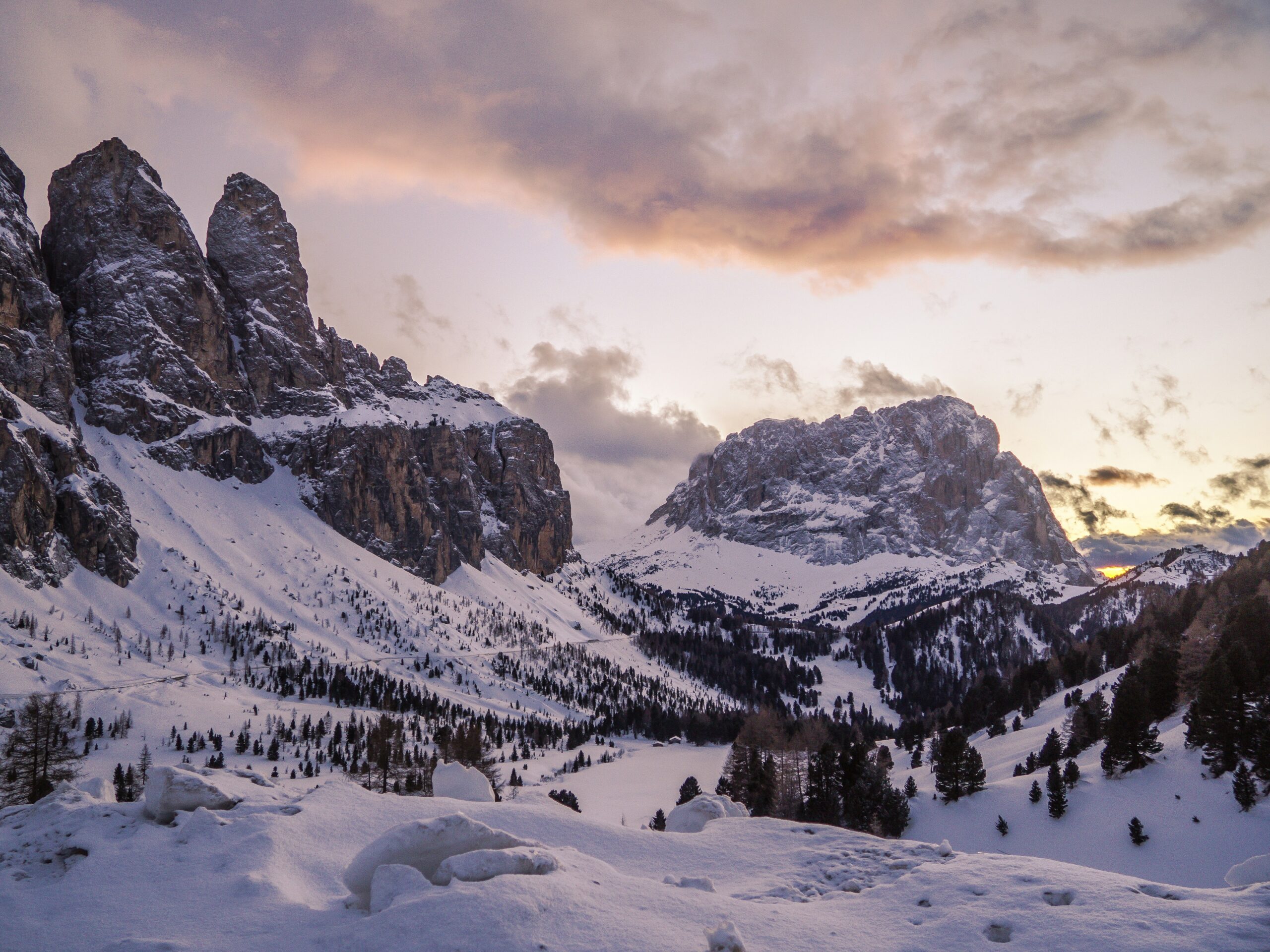
Val Gardena is a three-village ski destination in South Tyrol, combining Ortisei, Santa Cristina and Selva beneath the UNESCO-listed Dolomites. From the valley, skiers can access more than 500km of connected slopes including the Sellaronda, with a network that is especially strong for intermediates who enjoy long, groomed cruising. Beginners are particularly well served on Alpe di Siusi, while advanced skiers have steeper World Cup terrain including the Saslong and La Ria. The villages retain genuine Ladin character and a strong food and mountain-hut culture, but convenience varies by base: Selva gives the most direct Sellaronda access, while some wider circuits involve buses or transfers between sectors. For scenery, grooming, cruising and traditional village atmosphere, Val Gardena is one of the Dolomites’ strongest all-round choices.

Excellent
Exceptional
Exceptional
Exceptional
Val Gardena offers deep family provision across Ortisei, Santa Cristina and Selva, including childcare, ski kindergarten, children’s ski schools, family hotels, equipment hire and a wide range of fun slopes and winter activities. The choice is excellent, but families should pick their village carefully because the three-base layout and touring-focused ski area can add complexity to the week.
Excellent
Val Gardena offers strong direct ski access from all three principal villages: Ortisei, Santa Cristina and Selva each have major lift gateways into the surrounding ski network. The trade-off is the three-village layout, so accommodation location matters and ski buses remain useful for moving between bases and accessing the wider valley.
Excellent
Val Gardena’s piste reliability is very strong despite the Dolomites being less naturally snowy than the highest western-Alpine resorts. The resort promotes full technical snowmaking coverage, and operators have continued investing in snowmaking and water-storage systems. For 2026/27 Val Gardena and the Sellaronda are scheduled to operate from 4 December to 4 April.
Val Gardena sits in the mid-to-high price range for Italy but usually compares favourably with premium Swiss resorts. The three villages provide a broad spread of hotels and apartments, while supermarkets and local buses make self-catering and car-free stays practical. Visitors are paying for exceptional piste quality, Sellaronda access and strong village infrastructure rather than a budget-resort experience.
Val Gardena has a lively but village-based après scene, especially in Selva. Luislkeller runs daily DJ-led après into the evening, while Saltos combines slope-side drinks, live music, DJ sets and dancing. The atmosphere is sociable and polished rather than a full-resort party culture, making it a good fit for groups who want après without sacrificing a traditional Dolomite feel.
Val Gardena has excellent non-ski variety. The valley offers more than 130km of cross-country trails, winter hiking, snowshoeing, sledging, horse-drawn sleigh rides and ice skating, while indoor options include swimming and climbing. Val Gardena Active also runs guided experiences, and newer attractions such as the Monte Pana zipline add more adventurous alternatives for mixed groups.
Val Gardena has very strong practical visitor infrastructure across Selva, Santa Cristina and Ortisei. Ski buses run about every 15 minutes in winter, the Guest Pass covers local public transport, and the villages have multiple supermarkets, pharmacies, ski-rental shops and established ski schools. Medical services, parking and broad shopping options make the valley easy to manage without depending on a car.
Val Gardena offers substantial off-piste and ski-touring possibilities in complex Dolomite terrain, but the experience is more route- and guide-led than obvious lift-side freeride. The valley is a strong starting point for ski tours and guided powder descents around the surrounding massifs. Snow conditions and avalanche exposure vary sharply, so local mountain guides and current risk information are important.
Val Gardena’s nightlife is strongest in Selva and is lively without becoming club-dominated. Luislkeller runs until around 01:00 with DJs, Saltos turns from après bar into a nightclub-style venue, and Ortisei’s Maurizkeller offers later dancing. This gives visitors several genuine evening options while preserving a much calmer overall atmosphere than St Anton, Ischgl or Val Thorens.
Val Gardena has one of the Dolomites’ strongest food scenes, combining Ladin and South Tyrolean cooking with polished Alpine-Mediterranean dining. The valley currently has three Michelin-starred restaurants — Alpenroyal, Anna Stuben and Suinsom — alongside pizzerias, traditional inns and more than 60 mountain huts. The range is a genuine destination strength rather than simply an amenity around the skiing.
Val Gardena attracts a balanced and relatively mature international crowd, with families, couples, returning skiers and experienced intermediates especially prominent. The traditional villages, strong food scene and piste-focused skiing create a calmer social profile than major party resorts, although Selva still provides enough après and nightlife for younger groups. Overall it feels mixed and established rather than youth-led.
Val Gardena is busiest during February school-holiday weeks and around major event periods, when the Sellaronda and key valley links attract heavy through-traffic as well as staying guests. The broad network spreads people once skiers move away from the famous circuits. January and March usually give the best balance of reliable pistes, full-area access and a calmer experience.
From Selva, skiers can circle the Sella massif clockwise or anticlockwise across four Dolomite passes. It is a genuine full-day ski journey rather than simply another piste, and the resort recommends starting by about 10am.
Val Gardena’s Saslong is one of Alpine racing’s classic downhill venues, famous for the Camel Humps. For 2026 the men’s Super-G is scheduled for 18 December and downhill for 19 December, bringing a major race-week atmosphere to Santa Cristina.
8.0/10transfer ease·Excellent
Val Gardena has strong access for the Dolomites, with Innsbruck around 120 km away and Bolzano much closer when its flight schedule suits. Rail to nearby stations followed by frequent buses is practical, and a wide choice of group and private transfers connects the valley with several airports.
Selva is the highest and most ski-focused base, with direct access toward the Sellaronda and the valley’s liveliest après. Santa Cristina sits centrally, has a quieter family-friendly feel and lies beside the Saslong World Cup sector. Ortisei has the strongest pedestrian centre, shopping and traditional town atmosphere, with lift access toward Seceda and Alpe di Siusi. All three work well, but the feel of the holiday changes noticeably by village.
Yes. Selva is one of the best starting points for the Sellaronda, a 44km circuit around the Sella massif that can be skied clockwise or anticlockwise. About 26km is actual skiing and the rest is covered by lifts. The official resort recommends starting by around 10am so there is enough time to complete the circuit and return before the connecting lifts close.
Val Gardena has roughly 181km of local terrain, while its position on the Sellaronda gives access to around 500km of directly connected skiing around the Sella and neighbouring valleys. The wider Dolomiti Superski pass advertises more than 1,200km, but that is a regional pass covering separate ski areas as well as the connected core. ResortRival therefore keeps those three scales separate.
Yes — it is one of Europe’s strongest intermediate destinations. The valley is dominated by beautifully groomed blue and red terrain, and its location makes long ski journeys around the Dolomites straightforward. Beginners also have excellent areas such as Alpe di Siusi, while advanced skiers get famous steeper pistes and World Cup terrain, but mile-eating intermediates are the natural sweet spot.
La Longia is the long descent from Seceda toward Ortisei and one of Val Gardena’s signature pistes. The official resort gives it at about 10.5km with 1,273m of vertical, making it the longest ski slope in South Tyrol. It moves from open high terrain through forest and a natural canyon, so it feels much more like a journey than a normal lap of one lift.
We use cookies to improve your experience and help keep ResortRival running smoothly.
You can accept all cookies or manage your preferences at any time.