Alpe d’Huez

Isère, Auvergne-Rhône-Alpes, France

Overall rating

8.1

Sunny high-altitude French resort with a large linked domain, strong intermediate skiing, good beginner areas and a lively social scene built around terraces, bars and long panoramic descents.

Alpe d’Huez

Quick Resort Stats

Altitude
1860m
Piste km
250km
6 Day Ski Pass
€330
Snow Reliability
8/10
Affordability
6/10
Après
8/10
Other Activities
8/10
Resort Amenities
8/10

Overview

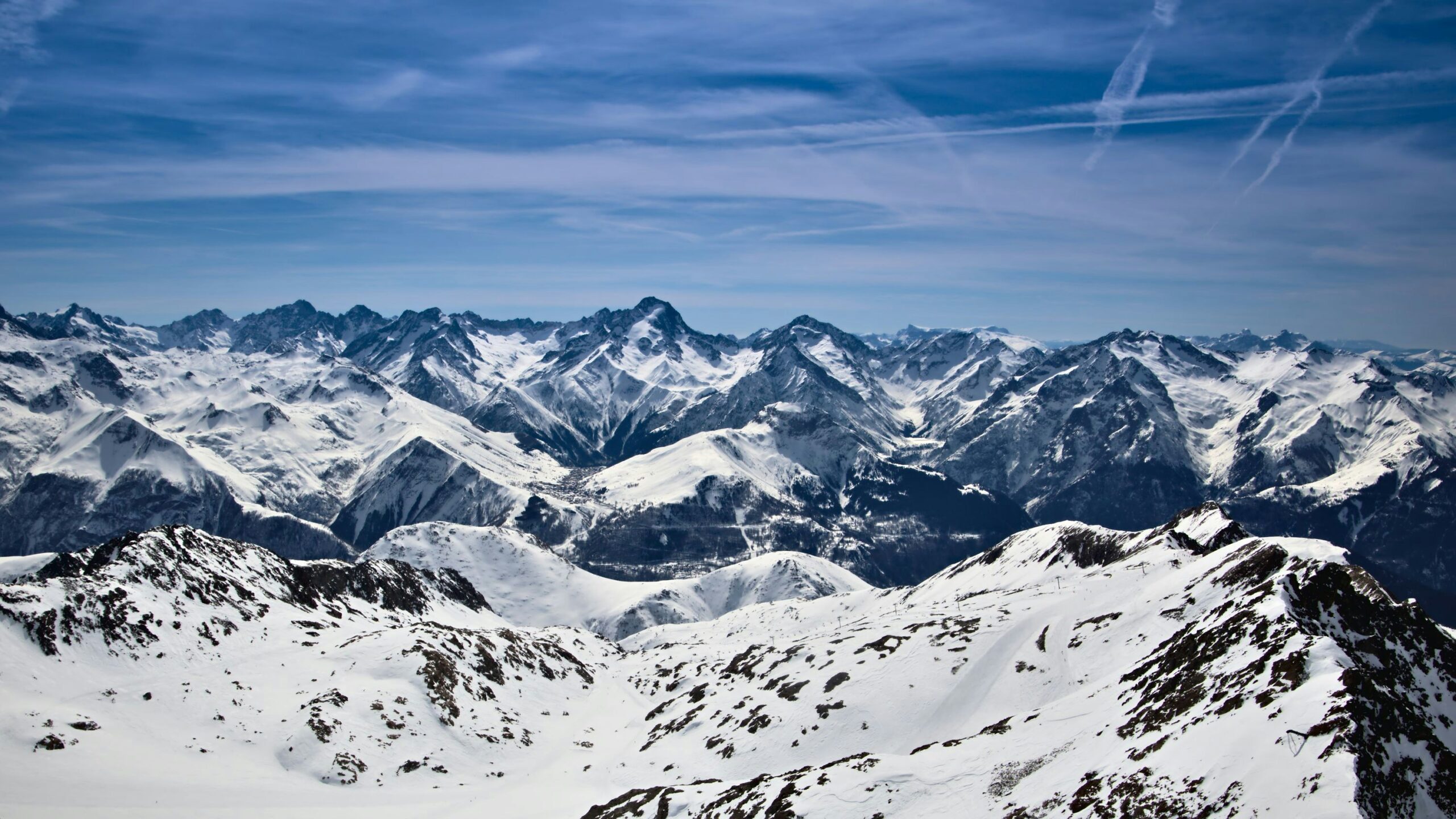
Alpe d’Huez is a major resort in Isère, France, set on a south-facing plateau in the Oisans mountains. The linked Alpe d’Huez Grand Domaine Ski offers around 250km of pistes across Alpe d’Huez, Oz, Vaujany, Auris and Villard-Reculas. Terrain is broad and accessible, with very good beginner zones, long intermediate cruisers and enough steeper runs to interest advanced skiers.

The resort’s altitude and extensive lift network help preserve decent snow conditions through much of the winter. The village feels lively and practical, with apartment blocks, hotels, sunny terraces and a busier atmosphere than many traditional mountain villages. It is best known for the 16km Sarenne run, one of the world’s longest black-marked descents, and for its unusually high number of sunshine hours.

Key Information

Good altitude and broad snowmaking coverage support reliable winter conditions, although sunny exposure can soften lower slopes more quickly in warm periods.

AFFORDABILITY: 6/10

Alpe d’Huez offers a wider spread of apartment and hotel prices than many top French resorts, making it relatively good value for its size and altitude.

APRÈS: 8/10

La Folie Douce is the best-known on-mountain après venue, while Smithy’s Tavern and Underground Bar are major names in the village.

OTHER ACTIVITIES: 8/10

Sledging, mountain kart, ice skating, swimming, winter walking and family activities provide a strong non-ski mix.

RESORT AMENITIES: 8/10

The resort has solid lift infrastructure, strong self-catering stock, good ski services and plenty of bars, restaurants and family facilities.

AVERAGE AGE: 30

Alpe d’Huez attracts a broad crowd of ski groups, season workers, families and active younger visitors, giving it a fairly youthful overall profile.

OFF-PISTE RATING: 8/10

There is good off-piste potential across the domain, with steeper sectors and routes that appeal to confident skiers when conditions allow.

Ski Pass Pricing

  • 6-day Alpe d’Huez Grand Domaine Ski pass: €330
  • 1-day adult pass: €66 
  • Child and senior discounts available
  • Family and group offers available on selected products
  • Covers 250 km across Alpe d’Huez Grand Domaine Ski

Prices are indicative and based on the latest available data at the time of review. Please check the official resort website for current pricing.

Peak Periods & Best Time to Visit

Alpe d’Huez is busiest in February when French, European and UK school holidays overlap and the resort’s large accommodation base fills out. The modern network spreads skiers fairly well, but main village lifts, nursery areas and marquee sectors can still get busy. January and March typically deliver a better balance of snow, quieter slopes and full resort operations.

Best time to go: January to mid-March.

Slopes

Slope Breakdown:

41 Green 

34 Blue

40 Red 

16 Black 

Terrain is broad and progressive, with particularly strong beginner and intermediate skiing plus some memorable advanced descents.

Nightlife

Alpe d’Huez nightlife includes Igloo as the main nightclub, plus Smithy’s Tavern and Underground Bar as two of the best-known evening venues. The overall atmosphere is lively, accessible and stronger than in many family-focused French resorts.

Bars & Restaurants

Alpe d’Huez has approximately 60+ restaurants ranging from traditional alpine dining to modern international cuisine.


Notable spots include:

Smithy’s Tavern – long-running resort institution known for burgers, drinks and live music atmosphere.

La Folie Douce – famous slope-side venue combining food, terrace dining and high-energy après.

Pizzeria Pinocchio – dependable casual option popular for straightforward pizzas and relaxed group meals.


The food scene is broad and practical, with more nightlife-linked venues than many comparable French resorts.

FAQ

Where is Alpe d’Huez and what ski area is it part of?
Alpe d’Huez is in Isère, Auvergne-Rhône-Alpes, France. ResortRival lists it as part of Alpe d’Huez Grand Domaine Ski, with around 250 km of pistes available in the relevant ski area.
What type of skier is Alpe d’Huez best for?
Alpe d’Huez is particularly well suited to intermediates and beginners, while its steeper sectors and long descents also provide options for advanced skiers.
Is Alpe d’Huez good for beginners?
Yes. It has strong beginner provision and broad, progressive terrain. This should be considered alongside ski-school access, nursery-area location and the needs of the individual group.
How snow-sure is Alpe d’Huez?
Alpe d’Huez sits at about 1,860m. Good altitude and broad snowmaking coverage support reliable winter conditions, although sunny exposure can soften lower slopes more quickly during warm periods.
How expensive is Alpe d’Huez for lift passes?
ResortRival lists a six-day adult ski pass at €330. Alpe d’Huez offers a wider range of apartment and hotel prices than many leading French resorts, making it relatively good value for its size and altitude.
What is the après-ski like in Alpe d’Huez?
La Folie Douce is the best-known on-mountain après venue, while Smithy’s Tavern and Underground Bar are major names in the village.
Is Alpe d’Huez good for non-skiers or mixed groups?
Yes. Sledging, mountain karting, ice skating, swimming, winter walking and family activities provide a strong non-ski offering.
How big is the ski area around Alpe d’Huez?
ResortRival lists approximately 250 km of pistes in Alpe d’Huez Grand Domaine Ski. The workbook records 41 green, 34 blue, 40 red and 16 black runs, with terrain that is particularly strong for beginners and intermediates while retaining some memorable advanced descents.
Is Alpe d’Huez a good choice for snow reliability?
Yes. Its altitude, snowmaking coverage and extensive linked terrain make it a strong option through the main winter season, although lower sunny slopes can soften during warmer weather.
Scroll to Top