Slopes & terrain
115 km across two separate valley sides
- Classified pistes
- 115.0 km
- Local terrain
- 115.0 km
- Regional pass terrain
- 115.0 km
- Connectivity
- Two separate valley-side ski systems
Lombardy, Italy
Livigno
115 km across two separate valley sides
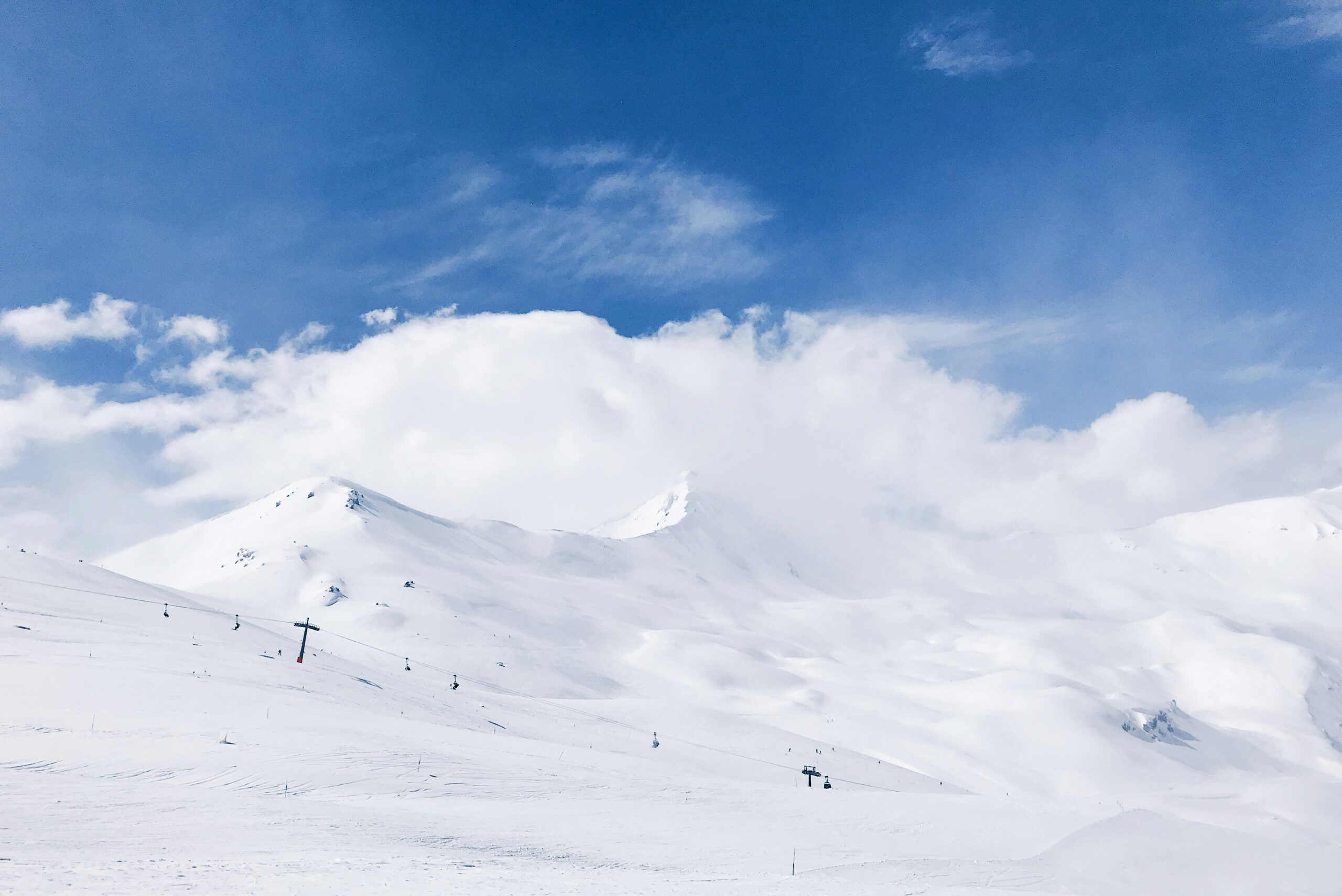
Livigno sits at 1,816m near the Swiss border and offers 115km of pistes across the Carosello 3000, Mottolino and Sitas sides of the valley. Wide, sunny runs and strong learning terrain make it particularly good for beginners and intermediates, while black pistes, freeride and a major freestyle scene add interest for stronger skiers. High altitude and terrain approaching 3,000m support a long, reliable season, and many hotels and apartments offer genuine ski-in/ski-out or walk-to-lift convenience. The town itself is unusually lively, with around 250 shops and boutiques benefiting from Livigno’s duty-free status, plus restaurants and après. The compromises are geography and layout: the resort is long and spread out, the two mountain sides are not one continuous lift-linked system, and transfers from major international airports are among the longest in this top-resort set.

Exceptional
Excellent
Excellent
Exceptional
Livigno is strongly family-oriented, with broad slopes, free local buses, slope-side accommodation and Kinder Club Lupigno for supervised activities and learning from age three. Family fun areas and Aquagranda add excellent off-slope depth, making it especially good for active families, although provision for infants and toddlers is less comprehensive.
Very good
Livigno offers several lift bases along its long valley, including Mottolino, Livigno-Tagliede and Carosello 3000, so many visitors can stay close to skiing. Free local buses with an extensive stop network make movement easy, but changing sides or reaching different parts of the resort often requires walking or bus travel.
Fair
Livigno is one of Italy’s most snow-reliable major resorts. The village sits at 1,816m and the ski area combines 115km of pistes with high terrain on both sides of the valley. For 2026/27 the official season is scheduled from 28 November 2026 to 2 May 2027, giving Livigno an unusually long winter window. Altitude and cold conditions are the main strengths, while snowmaking and intensive piste preparation support the busier lower sectors.
Livigno offers unusually good spending flexibility for a large Alpine resort, helped by its official duty-free status. Selected goods including fuel, alcohol, perfumes and electronics can be bought at advantageous prices, while apartments, supermarkets and free local ski buses make self-catering and car-free stays practical. Accommodation can still rise sharply in school-holiday weeks, so the value advantage is strongest in day-to-day spending rather than guaranteed cheap lodging.
Livigno has a lively, distributed après scene rather than one dominant party strip. Stalet and Centrale are current DJ-led focal points, while numerous mountain huts and village bars run the classic late-afternoon aperitivo period from roughly 16:30 to 19:00. The atmosphere is energetic by Italian-resort standards but remains spread along Livigno’s long valley, so venue choice matters more than in a compact Austrian party resort.
Livigno has exceptional non-ski depth. Visitors can combine 30km of cross-country trails, snowshoeing, ski touring, skating and winter walking with Aquagranda, shopping across roughly 250 stores, family snow parks and indoor children’s facilities. That mix gives families and non-skiers enough for full days away from alpine skiing rather than only short add-on activities.
Livigno has very complete practical infrastructure despite its long, spread-out layout. More than 150 ski instructors operate across multiple schools, equipment rental is available throughout the ski area, and six free bus lines connect accommodation with the main lifts. Family infrastructure includes Lupigno and Mottolino kindergarten facilities, while ski storage and parking are widely available through hotels and rental bases. Visitors can comfortably stay without using a car day to day.
Livigno is substantially stronger for freeride than the old description suggests. Its Freeride Project covers roughly 100km² of backcountry and includes a daily avalanche bulletin, snow-quality information, specialist equipment services, powder slopes and guide support; heliskiing is also available. The scale makes Livigno a serious freeride base, but the resort explicitly requires avalanche awareness and recommends transceiver, shovel and probe equipment for backcountry travel.
Livigno has a genuine late-night scene after après finishes. Current official destination material highlights Miki’s Pub as a young disco-pub with music, dancing and karaoke, while the town has multiple other disco-pubs and late bars spread along the valley. The scene is lively by Italian ski-resort standards, although it is more bar-and-disco-pub led than a large nightclub circuit.
Livigno has unusually broad dining choice for a high-altitude resort, with traditional Valtellina cooking, Italian restaurants, casual pubs and a large network of mountain huts. The visitor experience ranges from local dishes in the village to slope-side lunches on both Mottolino and Carosello. The depth is a genuine strength, but the old ‘60+ restaurants’ figure is better avoided unless a current official total is published.
Livigno attracts a broad but relatively youthful mix. Families are strongly represented because of the beginner terrain and childcare infrastructure, while snowboarders, freestyle riders, groups of friends and après-focused visitors give the town a younger social edge. It feels more energetic than many Italian resorts without being dominated by students or nightlife-only visitors.
Livigno is busiest around Christmas/New Year and during February school-holiday weeks, when beginner sectors, ski-school meeting points and the most convenient valley lifts feel the greatest pressure. Its 30-plus-lift network and two-sided ski area spread skiers effectively once they are moving. January and March usually offer the best balance of reliable snow, full resort atmosphere and more space.
Livigno’s special non-customs status means selected goods can be bought at advantageous prices, from fuel and perfume to electronics. It is a real legal status rather than a resort promotion, but travellers still need to respect customs allowances when leaving.
Livigno hosted much of the snowboard and freestyle programme at Milano Cortina 2026, with Mottolino transformed into a major Olympic venue. That recent Games legacy sits naturally alongside a resort already known for snowparks and freestyle culture.
5.0/10transfer ease·Fair
Livigno requires a longer mountain transfer than most mainstream resorts. Bergamo and Milan Malpensa have dedicated winter coach services, but journeys commonly take four hours or more, while private transfers are faster but still lengthy; rail routes also require a final bus connection from Tirano or Zernez.
Yes. Livigno is a special non-customs zone with tax advantages on products including fuel, perfumes, electronics and some alcohol and tobacco. That can make shopping noticeably cheaper, but allowances apply when you leave: duty-free does not mean unlimited tax-free imports back into the EU or Switzerland. If shopping is part of the trip, check the current customs limits before buying high-value or restricted goods.
No. Livigno’s skiing is spread across two sides of the valley, with Mottolino on one side and Carosello 3000/Sitas on the other. The resort’s free SkiLink shuttle connects them in a few minutes, but it is still a ground-transport link rather than one continuous lift-and-piste network. That distinction matters when comparing Livigno with genuinely seamless ski areas.
Yes. The resort has wide open pistes, numerous beginner zones and strong ski-school infrastructure, while intermediates get plenty of cruising on both sides of the valley. Advanced skiers have steeper runs, freeride terrain and excellent freestyle facilities, but the overall piste character is especially friendly to progression and relaxed mileage.
Livigno is one of Italy’s stronger snow-reliability choices because the village sits at 1,816m and skiing reaches close to 3,000m. For 2026/27 the official season runs from 28 November to 2 May. Its cold high valley is a major strength for spring bookings, although individual lifts and pistes still depend on weather and snow conditions.
Livigno was one of the key freestyle and snowboard venues for Milano Cortina 2026. Mottolino hosted events including Big Air, halfpipe and slopestyle, while other Livigno sectors hosted disciplines such as aerials, moguls and cross events. That infrastructure reinforces the resort’s already strong snowboard and freestyle identity rather than creating a completely new one.
We use cookies to improve your experience and help keep ResortRival running smoothly.
You can accept all cookies or manage your preferences at any time.